


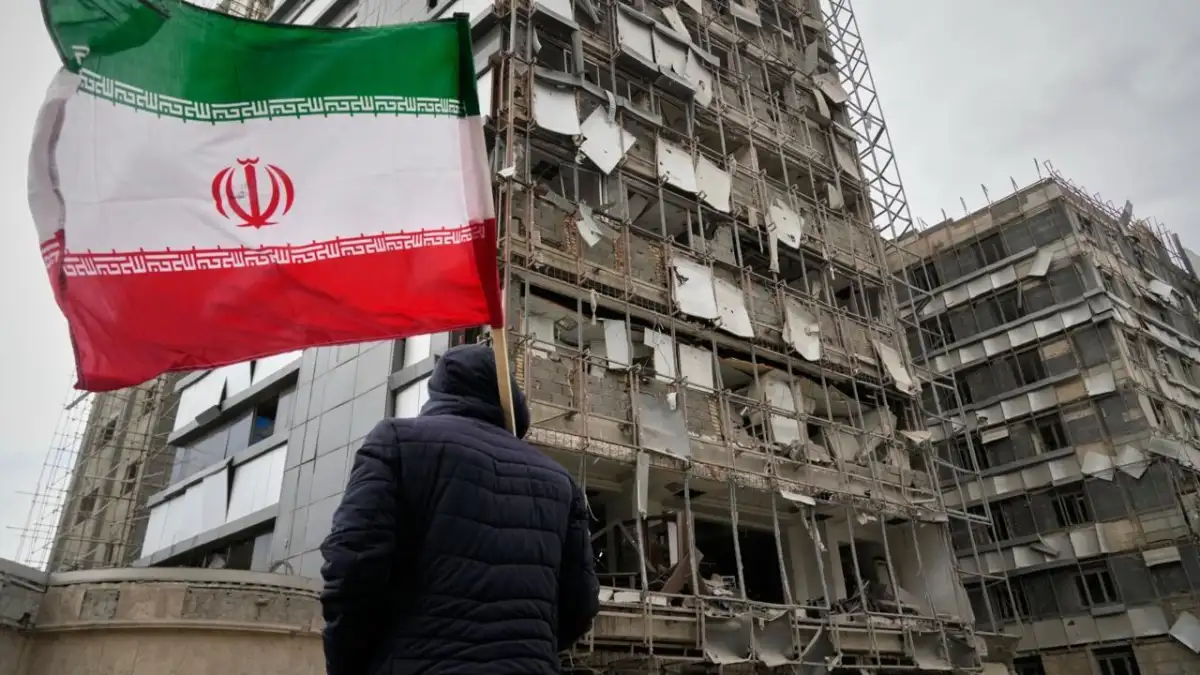
Israeli and US forces have unleashed a barrage of strikes across Iran and Lebanon, marking a significant escalation in the burgeoning regional conflict. The United States forecasts that these operations will persist for "several weeks" and are poised to intensify. Iran, in turn, has initiated retaliatory actions, targeting neighboring countries that host American military personnel.
The scope of the engagement appears to be expanding, with reports indicating Israel's bombardment of Beirut, Lebanon's capital, and Tehran, Iran. These actions come on the heels of Iran's own missile and drone attacks launched Friday against Israel, including Tel Aviv. Iran has also directed attacks at Kuwait, Qatar, Saudi Arabia, and Bahrain, all nations known to host US forces.

In a notable development, the US military reported striking an Iranian drone carrier, causing it to catch fire. Simultaneously, intelligence suggests that Israel has managed to disable a substantial portion of Iran's air defenses and missile launchers. Six American service members have been reported killed amidst this unfolding confrontation.
Read More: US Israel Strike Iran Without Congress Approval Creates Division
Indonesia to Evacuate Citizens Amidst Escalation
As the conflict deepens, Indonesia has announced plans to commence the evacuation of its citizens from Iran, with the process scheduled to begin on Friday. The Indonesian government has also put discussions regarding President Trump's "Board of Peace" on hold, prioritizing the safety of its nationals in the region.
Political Undertones and International Reactions
US Secretary of State Marco Rubio indicated that planned Israeli actions against Iran, which he stated would have targeted American forces, prompted the United States to launch its own strikes. President Donald Trump has alluded to forthcoming retaliatory measures against Iran, specifically referencing an attack on the US embassy in Riyadh and the deaths of US military personnel.
"You'll soon find out response to Riyadh embassy attack," - President Donald Trump, as reported by NewsNation.
The US Congress is slated to deliberate on motions aimed at restricting President Trump's war powers concerning Iran, though a Republican majority is expected to provide him with support. Prime Minister Benjamin Netanyahu of Israel has asserted that the conflict with Iran will not be protracted, predicting "quick and decisive action."
Read More: US Navy May Escort Oil Tankers Through Hormuz Strait After Iran Conflict
Background of Escalation
The current intensification follows a pattern of retaliatory strikes. Hezbollah announced it had fired missiles into Israel, marking its first claimed attack in over a year. This incident prompted a significant Israeli response. Reports suggest that planned Israeli actions against Iran were a catalyst for the initial US strikes.
The US and Israel's concerted actions against Iran are described as targeting its military capabilities, leadership, and nuclear program. The implications of this wider conflict are being closely watched, with fears of further regional destabilization.