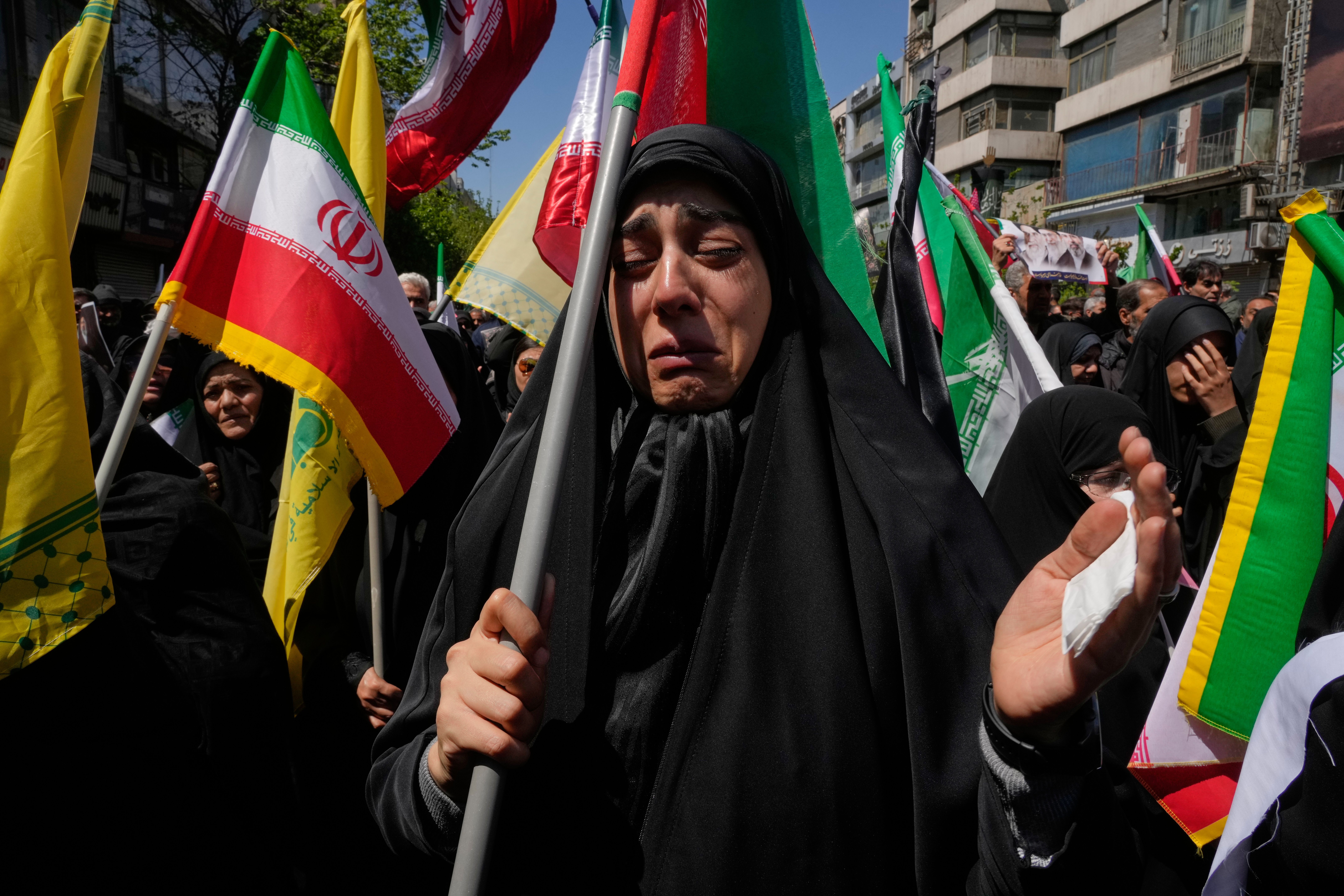
Recent exchanges between the United States and Iran reveal a stark divergence on the terms for de-escalation, particularly concerning the ongoing conflict in Lebanon and the broader regional security landscape. While a ceasefire has been reportedly agreed upon, its precise boundaries and implications remain a significant hurdle. Israel’s participation in these discussions appears to hinge on Iran halting its military actions in Lebanon, a point of contention that directly impacts the effectiveness of any proposed truce.

The core of the disagreement centers on Iran’s support for groups like Hezbollah in Lebanon, which Israel views as an existential threat and demands be curtailed. US officials have also articulated demands concerning Iran’s missile capabilities and its regional proxy networks, including those in Yemen and Palestine. These demands are met with Iranian rejection, indicating a fundamental disconnect in perceived security imperatives.
Read More: Keir Starmer Says Iran Conflict Will Define A Generation
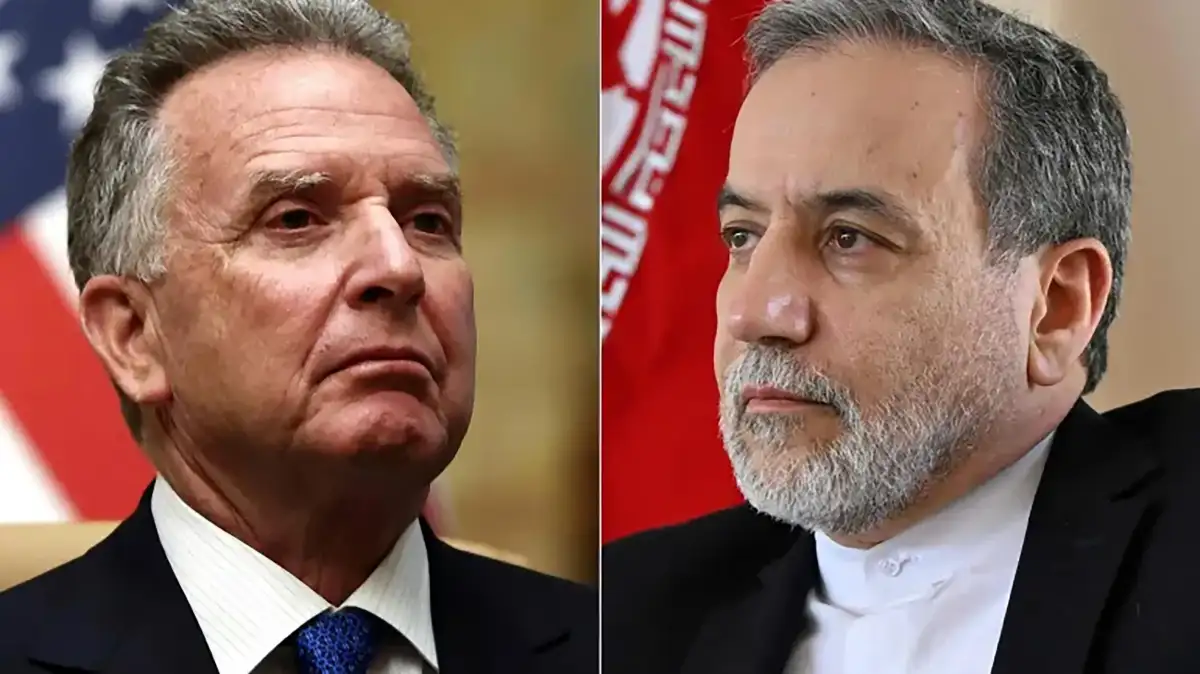
Further complicating matters are competing proposals for a resolution. Iran’s “10-point plan” and the US’s “15-point plan” represent vastly different frameworks for ending hostilities. The fate of maritime passage through the Strait of Hormuz has also emerged as a critical, unresolved issue, with threats of military action against Iran if access is obstructed.
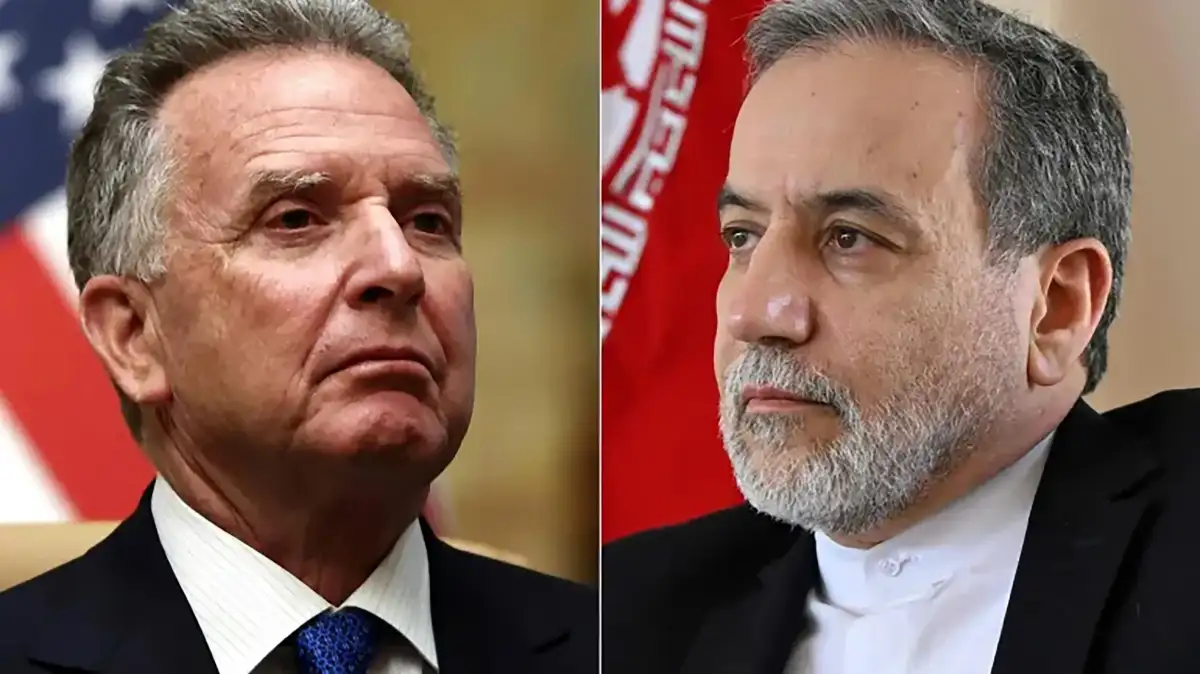
Discussions prior to these talks, such as those involving US negotiator Steve Witkoff and Israeli Prime Minister Benjamin Netanyahu, signal that Israeli security concerns, especially regarding Iran's missile program and regional influence, are a central, albeit contentious, element of the US negotiating position. Reports suggest the nuclear issue has been prioritized by Washington, while Israel has insisted on addressing broader strategic security matters.
The broader context of these negotiations appears to be shifting under the shadow of potential devastating military action. Past statements by Trump have included threats of significant retaliation against Iran if ceasefire agreements, including the reopening of the strait, were not met. This volatile backdrop underscores the high stakes involved, with potential long-term consequences for the Middle East.
Read More: VP Vance travels to Pakistan for Iran ceasefire talks amid Strait of Hormuz issues