

The sands of Muscat, Oman, are once again the chosen stage for high-stakes diplomacy between the United States and Iran. As officials gather for what are ostensibly talks on Tehran's nuclear program, a chilling undercurrent of military threats and deep-seated distrust permeates the atmosphere. This isn't just a diplomatic huddle; it's a tense dance on the precipice of potential war, a scenario familiar to a region already scarred by past confrontations.
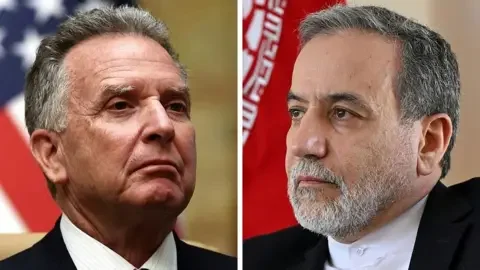
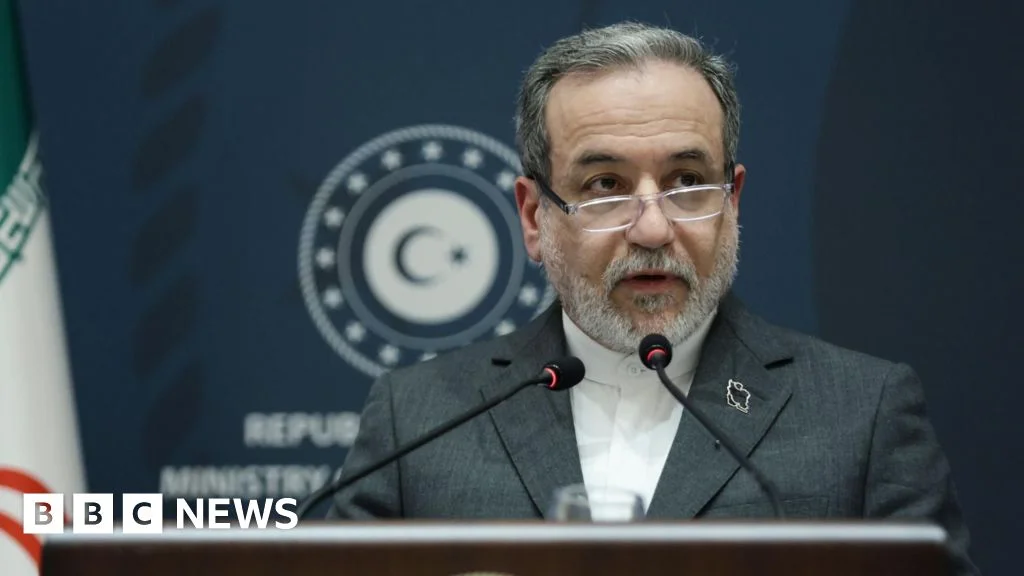
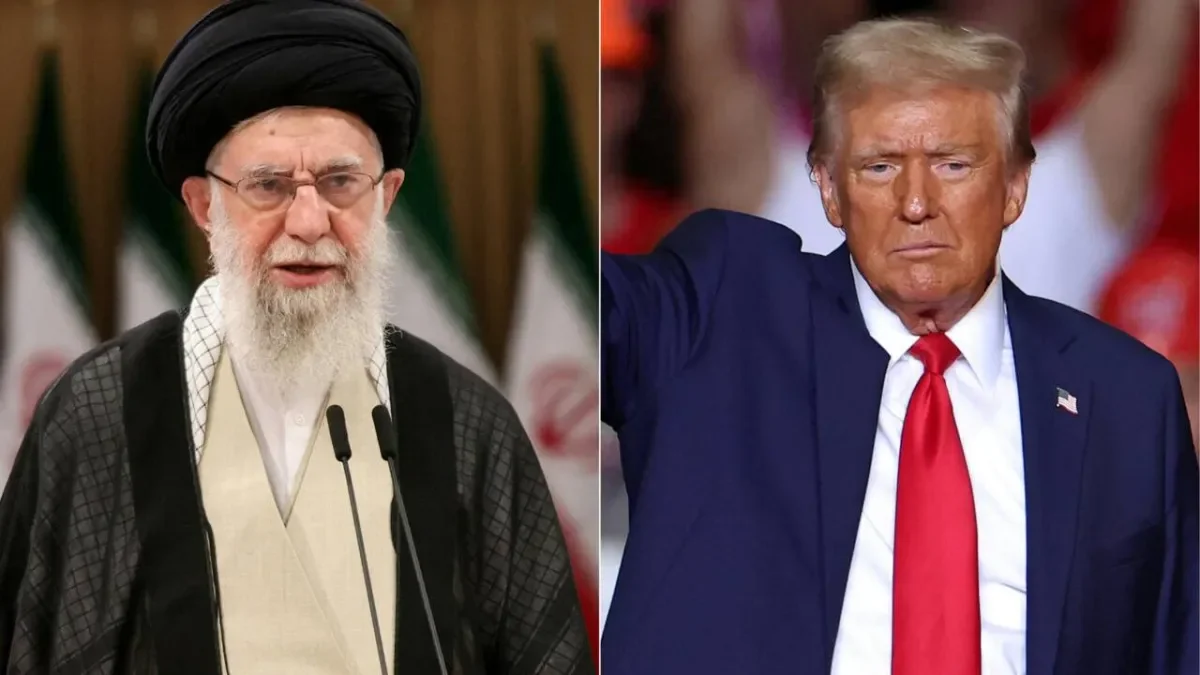
The immediate trigger for these renewed negotiations appears to be a palpable fear of escalation. Donald Trump's administration, having previously threatened military action against Iran, is now engaged in direct talks, a seemingly contradictory move that begs the question: what has truly shifted, or is this merely a strategic pause before a more aggressive stance? The presence of senior US officials like Steve Witkoff and Jared Kushner, alongside Iran's Foreign Minister Abbas Araghchi, signals the gravity of the situation. But will the pronouncements of "mutual respect" from Tehran be enough to bridge the chasm of suspicion, especially when Iran’s top diplomat, Seyyed Abbas Araghchi, has openly stated that Iran will "stand firm on our rights"?
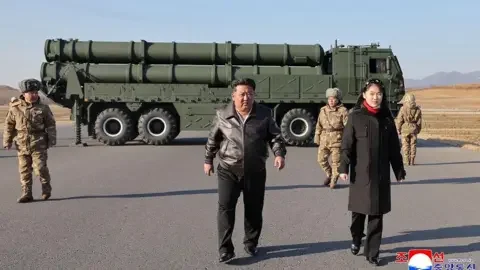
Read More: Kim Jong Un's Daughter May Be Next Leader of North Korea
A History of Explosive Encounters
To understand the fragility of these current discussions, one must look back at the recent past, a period marked by significant military actions and collapsed diplomatic efforts. The shadow of the June war, initiated by Israel with the stated aim of targeting Iran's nuclear facilities, ballistic missile arsenal, and air defenses, hangs heavy. This conflict wasn't a mere skirmish; it was a direct, brutal assault that decimated key Iranian military and nuclear infrastructure. The US, alarmingly, was complicit, bombing Iran's "three main nuclear facilities," as reported by the BBC.
Key Past Incidents:
June War (2025): A 12-day conflict where Israel, with US backing, launched extensive attacks on Iranian nuclear sites, missile systems, and air defenses.
US Bombing of Iranian Nuclear Facilities: Directly cited as part of the June war's offensive.
Israeli Attacks on Nuclear Sites and Scientists: Further evidence of a deliberate, coordinated effort to dismantle Iran's nuclear program.
Iran's Drone Downing of a US Aircraft: A recent incident, prior to these talks, that dramatically heightened tensions and likely accelerated the urgency for diplomacy.
Nationwide Anti-Government Protests in Iran: These protests, met with "violent repression" and a significant death toll, have been cited by the US as a reason for military buildup and a potential justification for intervention.
Read More: USA and Iran Talk About Nuclear Program
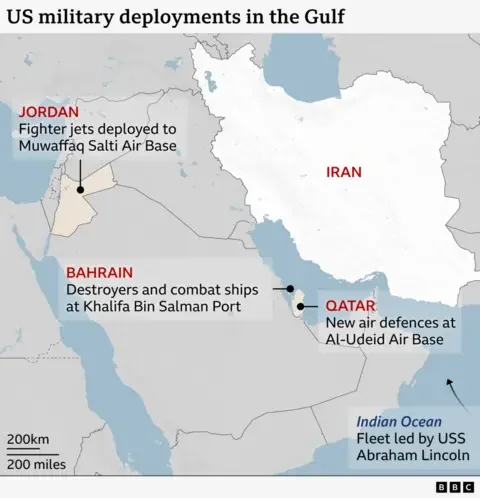
The fact that these talks are happening after such a devastating conflict, and that the US is deploying military assets like the USS Abraham Lincoln aircraft carrier group to the Arabian Sea, is deeply concerning. It suggests that the diplomatic engagement might be a dual-track approach, with the threat of force always looming. Why is the US demanding talks that Iran insists will be only about its nuclear program, while simultaneously building up its military presence? Is this an attempt to coerce Iran, or a genuine effort to avert further conflict?
The Nuclear Question: A Smokescreen?
At the heart of the negotiations is Iran's nuclear program, a perennial point of contention. Iran has consistently maintained that its nuclear activities are for peaceful purposes. However, the US, and its ally Israel, have long suspected a covert military dimension. The question that begs an answer is: to what extent did the June war and the US bombings truly cripple Iran's nuclear capabilities?
Read More: People Protest Worldwide Due to Money Problems
| US Demands | Iran's Stance | Impact on Talks |
|—-|—-|—-|
| Freeze nuclear program | Talks only on nuclear program; "stand firm on our rights" | Potential deadlock on scope of negotiations. |
| Discard enriched uranium stockpile | Willingness to discuss nuclear program, but likely not "defense issues" | Disagreement over what constitutes "defense issues" versus "nuclear program." |
| Address ballistic missile program | Ruled out discussion on ballistic missiles | Major sticking point, likely to derail talks if not managed carefully. |
| Halt support for regional groups | Not mentioned in summaries, but a consistent US concern | Unlikely to be on the agenda for these specific talks, but a background factor. |
| Improve human rights record | Mentioned as a US demand; linked to protests | Could be used as leverage by the US, but Iran may see it as interference. |
The US’s insistence on including Iran's ballistic missile program in the talks, which Tehran has outright rejected, highlights a fundamental disconnect. Is the nuclear program the real issue, or is it a convenient pretext for broader geopolitical objectives, including limiting Iran's regional influence and military capabilities? The fact that Iran's air defenses and missile arsenal were specifically targeted in the June war suggests that these are indeed sensitive areas. Why would Iran agree to discuss them now, especially under duress?
Read More: Many Countries Disagree with Israel's West Bank Actions
Protests, Repression, and US Leverage
The recent "violent repression" of anti-government protests in Iran, resulting in "many thousands" of deaths according to human rights groups, has become another significant factor. The US has cited this crackdown as a justification for its military buildup in the Middle East. This raises a crucial question: are these talks an attempt to genuinely de-escalate, or are they a tactic to legitimize potential further US intervention, either through sanctions or direct action, under the guise of addressing internal Iranian affairs or deterring further military action?
US Rationale for Military Buildup: Response to Iran's repression of nationwide protests.
US Demands: Talks should include human rights treatment of citizens.
Iran's Position: Has vowed talks are only on the nuclear program.
The stark contrast between the US's stated reasons for military posturing and its diplomatic overtures creates an environment of deep suspicion. Will Iran feel pressured to make concessions on its nuclear program due to the ongoing threat of military action and the internal crackdown on its own population? Or will the memory of past US actions, including the June war, embolden Iran to resist what it might perceive as coercive diplomacy?
Read More: Memorial for Nightclub Fire Victims Burns Down Again

Oman: The Perennial Mediator
Oman's role as a mediator in US-Iran relations is not new. This sultanate, strategically located on the Arabian Peninsula, has a long history of facilitating dialogue between adversaries. Its neutrality and quiet diplomacy have made it a crucial, if often behind-the-scenes, player in regional security. However, one must ask: how effective can Omani mediation be when the fundamental trust between the two principal parties is so profoundly absent?
Oman's Role: Consistent mediator for US-Iran talks.
Why Oman? Neutrality, strategic location, established channels of communication.
Challenges: Deep distrust between US and Iran, differing agendas, external pressures.
The fact that officials are returning to Oman months after the devastating June war, which disrupted previous rounds of talks, underscores the cyclical nature of these tensions. Are the lessons of that conflict truly being learned, or is history destined to repeat itself? The world watches, holding its breath, as representatives gather in Muscat, hoping for de-escalation, but acutely aware of the volatile history that precedes them. The true agenda, beyond the nuclear program, and the ultimate outcome of these Omani deliberations remain shrouded in uncertainty, overshadowed by the very real threat of military confrontation.
Read More: Red Sea Shipping Problems Cause Delays and Higher Costs
Sources:
The Guardian: https://www.theguardian.com/world/live/2026/feb/06/us-iran-nuclear-talks-oman-live-updates
Al Jazeera: https://www.aljazeera.com/news/liveblog/2026/2/6/us-iran-talks-live-critical-negotiations-set-to-begin-in-oman
Al Jazeera: https://www.aljazeera.com/news/liveblog/2026/2/5/live-after-barrage-of-threats-us-and-iran-set-to-hold-talks-on-friday
MS NOW: https://www.ms.now/news/kushner-and-witkoff-to-lead-u-s-iran-talks-in-oman
ABC News: https://abcnews.go.com/Business/wireStory/iran-us-set-talks-oman-nuclear-program-after-129904865
France 24: https://www.france24.com/en/live-us-and-iran-prepare-high-stakes-talks-oman-trump-threatens-military-action
The New Arab: https://www.newarab.com/news/crunch-iran-us-talks-set-begin-oman-amid-mutual-warnings
ABC News: https://abcnews.go.com/Business/wireStory/iran-us-set-nuclear-talks-oman-129871076
ABC News: https://abcnews.go.com/International/wireStory/iran-us-set-talks-oman-nuclear-program-after-129904864
Iran International: https://www.iranintl.com/en/liveblog/202602011665
The Independent: https://www.independent.co.uk/news/world/middle-east/trump-iran-us-talks-military-live-updates-b2915129.html
Al Jazeera: https://www.aljazeera.com/news/2026/2/6/trumps-maximalist-demands-for-iran-put-talks-in-oman-on-uncertain-ground

:max_bytes(150000):strip_icc():focal(612x1166:614x1168)/Switzerland-accident-fire-020826-02-7cbc5d49ad0f413883178cfd825a77de.jpg)

