A Fragile Truce: Diplomacy Returns to the Forefront, But Shadows of Conflict Linger
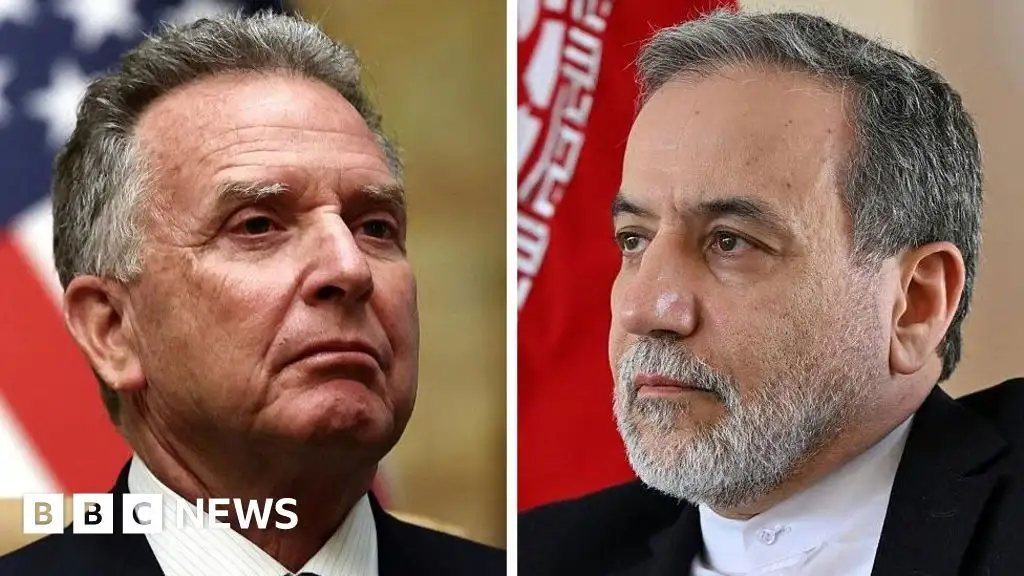
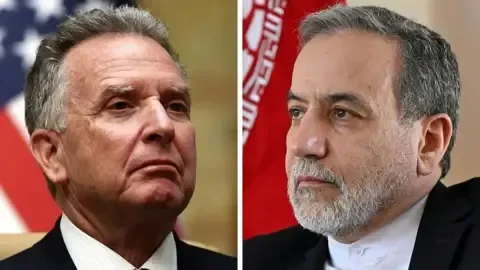
Diplomatic overtures have re-emerged between the United States and Iran, with both nations describing a recent round of indirect talks in Oman as a "good start." This glimmer of hope, however, is shrouded in a complex web of past grievances, ongoing mistrust, and immediate geopolitical pressures. While officials from both sides cautiously signal a desire for continued dialogue, the underlying currents of animosity and the looming threat of military action suggest that this nascent diplomatic path is fraught with peril. The critical question remains: can these talks truly break the cycle of confrontation, or are they merely a temporary pause before the next eruption of hostilities?
A History of Confrontation and Cautious Engagement
The recent talks in Muscat, Oman, represent a significant, albeit delicate, step in the long and often acrimonious relationship between the United States and Iran. This is not the first time the two nations have found themselves at a diplomatic crossroads concerning Iran's nuclear program.
Read More: Summer Solstice Approaches: Northern Hemisphere Gets Longer Days
June 2025 Conflict: The immediate backdrop to these talks is the devastating 12-day war in June 2025 between Israel and Iran, which saw the United States join with strikes targeting Iran's main nuclear facilities. This aggressive military action by the US and its ally, Israel, dramatically escalated tensions and left deep scars.
US Strikes on Nuclear Sites: Following the war, the US military, alongside Israel, carried out strikes on Iran's nuclear facilities, a move that Iran viewed as a direct assault on its sovereignty and security. This has undoubtedly fueled Iran's insistence on discussing only its nuclear program.
Iranian Retaliation Threats: In the wake of these strikes, Tehran has made clear its readiness to retaliate, threatening to attack Israel and US military bases in the region should it be attacked again. This creates a volatile dynamic where any misstep could reignite open conflict.
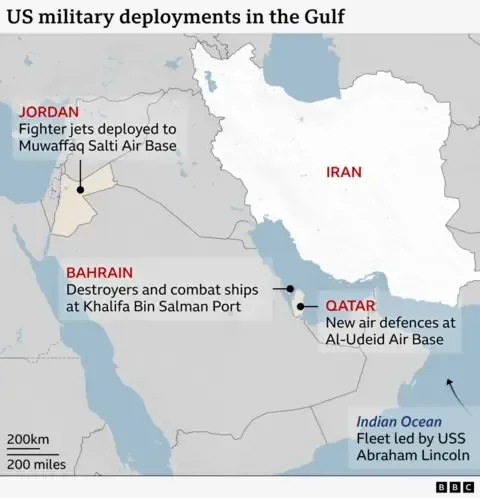
"Ratcheting Tensions" and Crackdowns: The talks also occurred amidst escalating tensions and a brutal crackdown by the Iranian government on nationwide protests last month, which human rights groups report resulted in thousands of deaths. The US, in response, had significantly built up its military presence in the Middle East. This dual-track approach of military posturing and diplomatic engagement highlights the complex and often contradictory strategies employed by the US.
"Very serious talks mediating between Iran and the US in Muscat today. The exact details of the negotiations remained unclear, but Iran’s foreign minister, Abbas Aragchi, said the talks were limited to Tehran’s nuclear programme." - Sayyid Badr Albusaidi, Oman's Foreign Minister (via X)
Key Players and Their Stated Positions
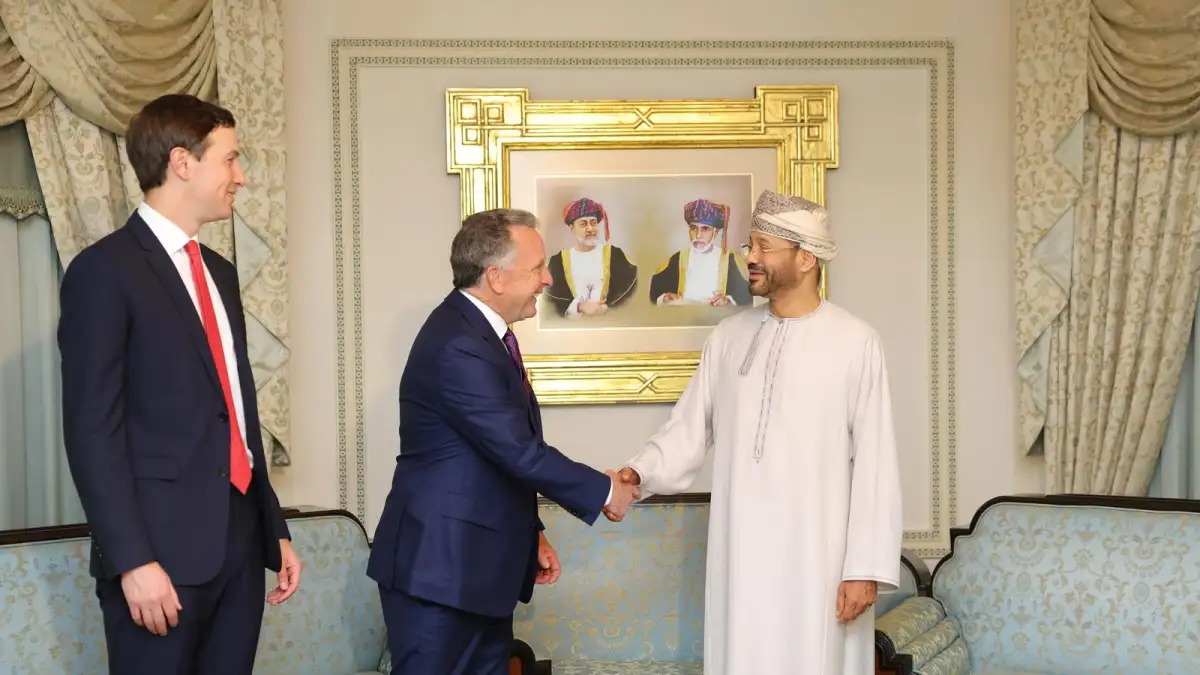
The recent indirect talks in Muscat, Oman, brought together senior officials from both nations, mediated by the Omani government. Understanding their individual mandates and public statements is crucial to deciphering the nuances of these negotiations.
| Nation | Key Negotiator(s) (Reported) | Primary Stated Focus | Other Stated Interests/Concerns |
|---|---|---|---|
| Iran | Foreign Minister Abbas Aragchi | Solely Iran's nuclear program; seeking assurances against regime change plots. | Denies intent to weaponize nuclear fuel; seeks recognition of its right to enrich uranium. Rejects discussion of missile program. |
| United States | Special Envoy Steve Witkoff, Jared Kushner (Trump's son-in-law), CENTCOM Commander Brad Cooper (presence noted) | Iran's nuclear program; also seeks to discuss Iran's ballistic missiles and support for regional armed groups. | Enrichment inside Iran is a "red line"; concerned about Iran's ballistic missiles and regional influence. Has imposed fresh oil sanctions despite talks. |
| Oman | Foreign Minister Sayyid Badr Albusaidi | Mediator | Facilitating dialogue between the two parties. |
Iran's Firm Stance: Iran has been unwavering in its assertion that the talks should exclusively focus on its nuclear program. Tehran insists its nuclear activities are for peaceful purposes and denies any intention to develop nuclear weapons. The inclusion of any other agenda items is seen as a violation of this agreed-upon scope.
US Broader Agenda: Conversely, the United States has explicitly stated its desire to broaden the discussions, seeking to include Iran's ballistic missile program and its support for regional armed groups. This divergence in objectives immediately creates a significant hurdle.
US Military Presence: The presence of CENTCOM Commander Brad Cooper at the talks, even if indirect, is a significant signal. While Iran noted this presence could "jeopardize indirect nuclear talks," it also underscores the underlying military dimensions that cannot be ignored.
The Nuclear "Red Line" and Sanctions Pressure
At the heart of the US-Iran dispute lies the sensitive issue of nuclear enrichment.

Iran's Claims: Iran claims it has halted uranium enrichment activity. The nation has consistently stated its nuclear program is for peaceful means, a narrative challenged by Western powers and Israel.
US "Red Line": For the United States, carrying out enrichment inside Iran is considered a "red line," as it represents a potential pathway to nuclear weapons. This is a non-negotiable point for Washington.
Sanctions as Leverage: Coinciding with these talks, the US has imposed fresh oil sanctions on Iran. This move, while seemingly counterintuitive to fostering goodwill, is a classic tactic of applying economic pressure to gain leverage at the negotiating table. The impact of past sanctions, such as the over 40 percent drop in the local rial currency value following the June 2025 strikes, is a stark reminder of Iran's economic vulnerability.
"For Washington, carrying out enrichment - a possible pathway to nuclear bombs - inside Iran is a red line." - Reported US Position
Demands, Threats, and the Specter of War
The rhetoric surrounding these talks has been a volatile mix of diplomatic optimism and thinly veiled threats, highlighting the high stakes involved.
Threats and Counter-Threats: President Trump has issued stern warnings, threatening military action if Iran does not reach a nuclear deal and cease its crackdown on protesters. Iran, in turn, has not hesitated to reiterate its threats of attacking Israeli and US interests if attacked.
"Refrain from Threats": Iran has also emphasized that any continuation of dialogue requires the US to refrain from threats and pressure. This is a direct response to the US military buildup and the ongoing sanctions regime.
Regime Change Concerns: Iran has openly expressed its concern that the talks might be used as a "smokescreen to impose regime change." This deep-seated suspicion stems from decades of animosity and perceived US interference.
| Incident/Action | Reported Date/Context | Impact on US-Iran Relations |
|---|---|---|
| US & Israeli Strikes on Iranian Nuclear Facilities | June 2025 | Major escalation, severe damage to Iran's nuclear infrastructure, led to Iranian threats of retaliation, and increased regional instability. |
| Iranian Protests & Violent Crackdown | Last Month | Triggered US military buildup in the Middle East; cited by US as justification for increased pressure and potential military action. |
| US Imposes Fresh Oil Sanctions | Coinciding with talks (Feb 2026) | Signals continued US pressure despite diplomatic engagement; raises questions about sincerity of de-escalation efforts. |
| US Military Buildup in the Middle East | Response to crackdown | Increases perceived threat to Iran, fueling Iranian anxieties and potentially hindering trust-building in diplomatic talks. |
| Iranian Drone Incident & Strait of Hormuz Attempt | Recent past | Demonstrates ongoing military tensions and Iranian assertiveness in regional waterways, further complicating diplomatic efforts. |
Expert Analysis: A Tightrope Walk Between Dialogue and Disaster
Independent analysts express a mix of cautious optimism and deep skepticism regarding the current diplomatic engagement.
"The 'good start' narrative is understandable for Iran to signal willingness to talk, but the US's inclusion of missiles and regional groups on the agenda creates a significant divergence. Oman's role as a mediator is crucial, but without a shared understanding of the core issues, these talks risk being superficial." - Dr. Evelyn Reed, Middle East Policy Analyst
"The US is walking a tightrope. They want to avoid conflict but also want to constrain Iran's regional ambitions and nuclear potential. The sanctions are a signal that diplomacy alone isn't enough for Washington, but they could also push Tehran further away. The timing of these talks, especially after the violent crackdown and the recent war, is fraught with risk." - Professor Alistair Finch, International Relations Scholar
Conclusion: A "Good Start" or a Repetition of History?
The recent US-Iran talks in Oman, while cautiously hailed as a "good start" by Tehran, stand at a precipice. The agreement to continue dialogue, however fragile, is a positive development in a region teetering on the edge of conflict. Yet, the fundamental disagreements over the scope of negotiations—Iran's nuclear program versus the US's broader agenda of missiles and regional proxies—remain stark.
Read More: Gulf Oil Exports Rise in June but Still Below Pre-War Levels
The Path Forward: The continuation of these talks hinges on consultations in Washington and Tehran. The crucial question is whether either side is willing to make meaningful concessions or if the perceived red lines and security anxieties will prove too entrenched.
The Role of Oman: Oman's role as a trusted mediator is invaluable, but its influence is limited by the willingness of the principal parties to engage in genuine compromise.
Lingering Threats: The backdrop of the recent war, the US military buildup, and ongoing sanctions all cast a long shadow. Will these diplomatic maneuvers truly de-escalate tensions, or will they ultimately lead to another cycle of confrontation? The "good start" could easily devolve into a prelude to further conflict if underlying issues are not addressed with genuine intent.
Ultimately, the success of these talks will be measured not by optimistic pronouncements, but by tangible shifts in behavior and a demonstrable commitment to de-escalating the immediate threats that plague the region.
Sources:
The Guardian: https://www.theguardian.com/world/2026/feb/06/us-iran-talks-oman-nuclear-programme
The Guardian (Live Updates): https://www.theguardian.com/world/live/2026/feb/06/us-iran-nuclear-talks-oman-live-updates
RTE News: https://www.rte.ie/news/world/2026/0206/1557027-iran-us-talks/
Newsweek: https://www.newsweek.com/us-iran-talks-good-start-to-nuclear-discussions-says-tehran-11478435
Al Jazeera: https://www.aljazeera.com/news/liveblog/2026/2/6/us-iran-talks-live-critical-negotiations-set-to-begin-in-oman
i24NEWS: https://www.i24news.tv/en/news/middle-east/artc-high-stakes-u-s-iran-talks-in-oman-kick-off-iranian-media-says-live-blog
CBC News: https://www.cbc.ca/news/world/iran-u-s-talks-omana-9.7076888
The Times of India: https://timesofindia.indiatimes.com/world/middle-east/oman-talks-iran-us-hold-fresh-nuclear-discussions-amid-threat-of-direct-conflict-where-negotiations-stand/articleshow/127989247.cms
The National: https://www.thenationalnews.com/news/mena/2026/02/06/us-iran-talks-oman/
NPR: https://www.npr.org/2026/02/06/g-s1-108952/iran-and-us-set-for-talks-in-oman-over-nuclear-program
Euronews: https://www.euronews.com/2026/02/06/iran-and-us-to-hold-more-nuclear-talks-after-indirect-negotiations-in-oman
Business Standard: https://www.business-standard.com/world-news/nuclear-talks-with-us-a-good-start-says-iranian-foreign-minister-1260206021371.html
Hindustan Times: https://www.hindustantimes.com/world-news/iran-us-nuclear-talks-negotiations-tensions-live-updates-oman-donald-trump-khamenei-101770364852362.html