Gasoline prices in the United States have ascended to multiyear peaks, reaching as high as $4.23 per gallon, a point not seen in years. This ascent coincides with a complex interplay of factors, including the ongoing repercussions of the 'war in Iran', seasonal refinery maintenance, and the commencement of the spring-summer driving season. The situation has triggered increased financial pressure on consumers and businesses alike, with airlines worldwide already adjusting operations and ticket prices due to strained jet fuel supplies.
The latest reports indicate that US gasoline prices have hit their highest level in four years, with some analyses pointing to a surge of 26 cents per gallon in just the past week. The global oil market, intrinsically linked to these price fluctuations, is reportedly responding to apparent impasses in negotiations concerning the conflict in Iran, which has been described as one of history's largest global oil shocks. This has led to a climb in oil prices, directly influencing what Americans pay at the pump.
Read More: US Gas Prices Hit 4-Year High After Iran Talks Stall

Further compounding the issue, major energy corporations like BP have reported substantial profit increases, more than doubling in their first quarter. This financial performance has drawn public criticism, occurring simultaneously with the record-high gas prices. Analysts note that while lower-income households have shown some initial resilience, their budgets are vulnerable to sustained increases, particularly if these higher fuel costs begin to impact the prices of essential goods.
The current surge is not solely attributable to geopolitical events. Economic indicators suggest that typical seasonal price increases, often seen as refineries transition and the demand for travel rises, are also playing a role. However, the intensity and duration of these factors remain a point of concern for the broader economy, with fears that persistent high fuel costs could negatively affect consumer spending and drive up inflation across various sectors. The Conference Board has noted an uptick in its principal index, a movement possibly linked to earlier, albeit temporary, diplomatic developments.
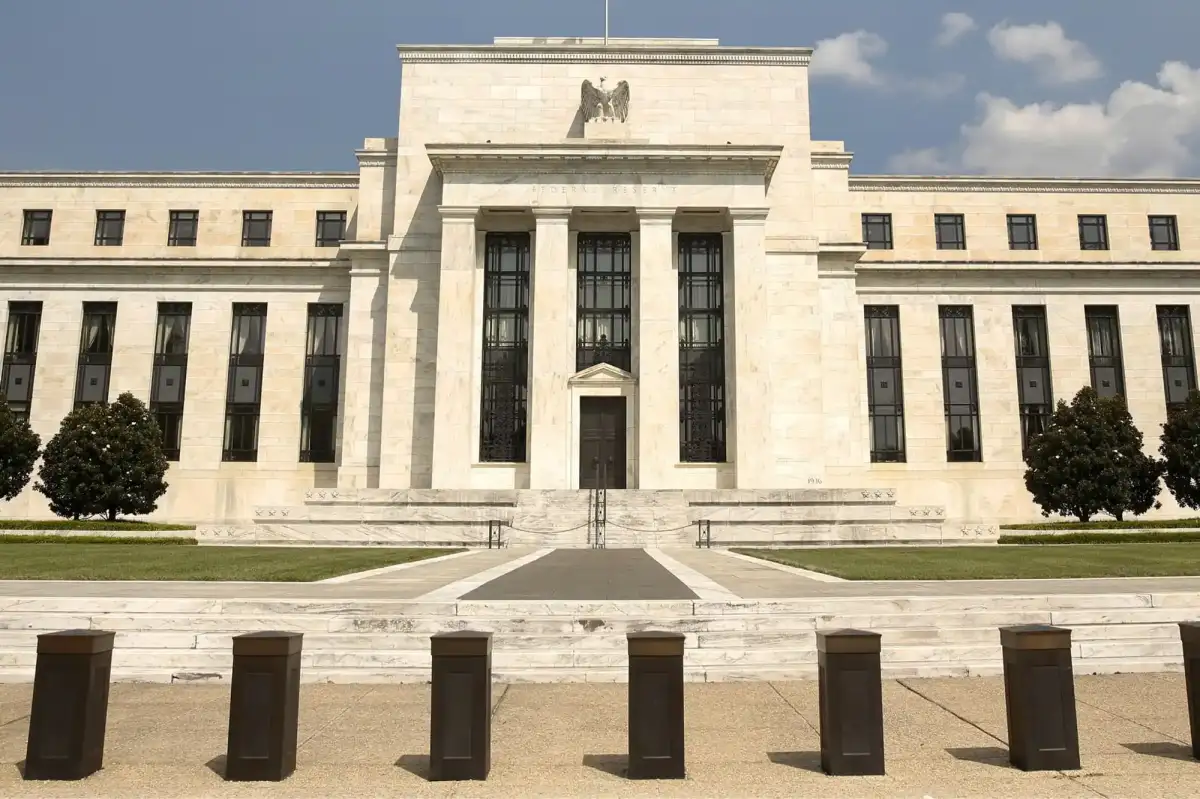
Read More: Federal Reserve April 2026 meeting keeps interest rates on hold today
Consumer confidence, meanwhile, remains notably subdued, indicating a widespread unease regarding economic conditions. The 'war in Iran' and its downstream effects, such as constrained global oil supply, are frequently cited as a primary driver behind the sharp rise in fuel costs. The potential for these prices to climb even higher hinges significantly on the protracted nature of the conflict and ongoing global supply-demand dynamics. Some reports also mention specific regional pressures, such as in Europe, where cold weather and reduced gas storage contributed to price spikes earlier in the year.