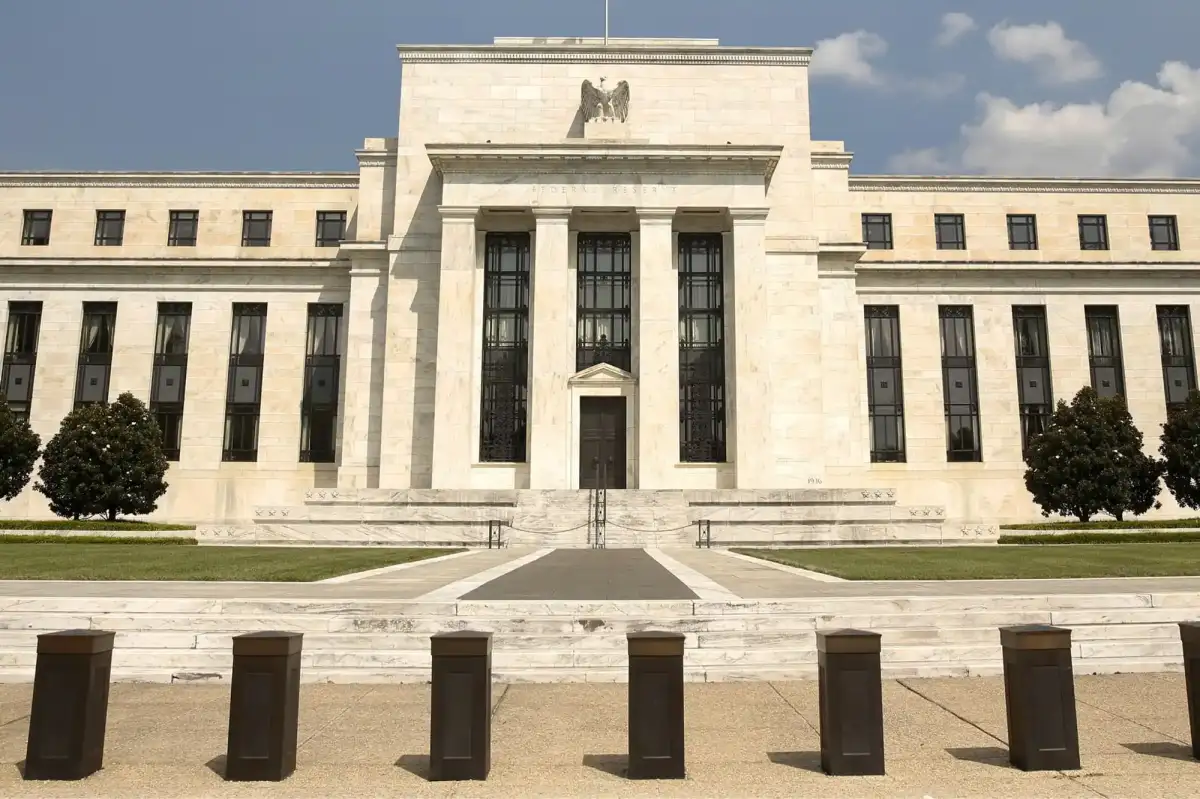
The Federal Reserve's April meeting commenced today, with market participants intently scrutinizing signals for any shifts in the central bank's monetary policy stance. Analysts are focused on whether the Fed might adjust its outlook on future interest rate adjustments, with some suggesting a growing risk of delayed rate cuts. The uncertainty surrounding Fed Chair Jerome Powell's upcoming leadership transition, coupled with potential political pressures, adds a layer of complexity to the bank's future direction. Observers are anticipating clues from Fed Chair Jerome Powell's press conference for insights into how the central bank plans to navigate upcoming economic risks.
Signs Point to Policy Hold, but Future Remains Murky
While the Fed may refrain from issuing definitive pronouncements for the immediate future, recent indications suggest a potential holding pattern for interest rates. Fed officials, despite acknowledging impacts from geopolitical events like the Iran war, have expressed foresight for rate reductions later this year. This outlook, however, is shadowed by concerns that inflation could impede the desired rate cuts, a sentiment echoed in market surveys. Former Fed Vice Chair Richard Clarida anticipates the FOMC will likely maintain its current rate over the next several meetings.
Read More: Warsh Fed Chair Nomination Moves Forward After Senate Vote

Nominee Warsh Faces Scrutiny Amidst Political Crosscurrents
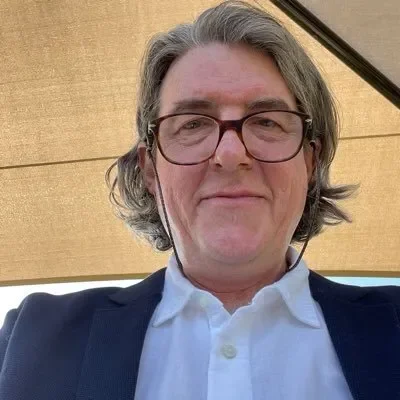
The confirmation process for President Donald Trump's nominee, Kevin Warsh, to lead the central bank has been a focal point. Warsh's nomination has navigated significant political terrain, including investigations into former Chair Jerome Powell and debates over Trump's influence on interest rate policy. A recent breakthrough, where the Department of Justice backed down from pursuing certain avenues related to the Powell probe, has cleared a potential hurdle for Warsh's confirmation. Despite this, questions persist regarding Warsh's independence and his alignment with Trump's stated desire for aggressive rate cuts. Warsh himself has asserted that monetary policy should remain independent while acknowledging the Fed must "stay in its lane."
Financial Holdings and Policy Agendas
Warsh's substantial personal wealth, detailed in his filings, has drawn attention, raising comparisons to previous chairs. His potential embrace of Treasury Secretary Scott Bessent's geoeconomic agenda suggests a possible recalibration of the central bank's structure and purpose should he be confirmed. His stance on interest rates, though expressed cautiously, has been interpreted as signaling an approach that could align with the administration's desires, while also aiming to maintain Fed independence.
Read More: King Charles III State Dinner Guest List Includes Tech CEOs and Media Stars
Broader Economic Context
The Federal Reserve's decisions on interest rates profoundly influence key economic indicators such as mortgage rates and consumer lending. The central bank has recently been navigating inflation pressures and economic growth concerns. Recent historical data, including a rate cut in September 2025, highlights the Fed's role in attempting to bolster a faltering labor market. Economists point out that even with a new Fed chair, the practical impact of policy changes can be limited, as the chair is one of many voting members on the rate-setting committee.