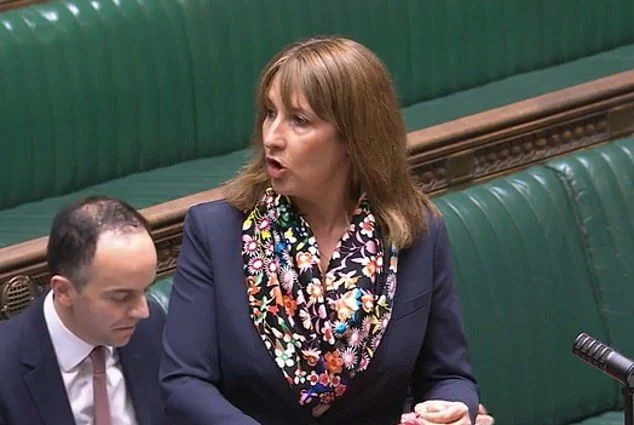
Chancellor Rachel Reeves is reportedly contemplating a one-year freeze on private sector rents in England. This move, framed as a response to the economic pressures stemming from the Iran war, represents a potential departure from previous government stances and has sparked significant internal debate. While no official comment has been issued beyond a standard "no comment on speculation" from HM Treasury, the possibility has set a tense tone within government circles, particularly as local elections loom.
Housing minister Matthew Pennycook has, until very recently, publicly dismissed rent controls, citing international evidence that they do not function as intended. This direct contradiction to the rumoured proposals from the Treasury highlights a palpable division. Pennycook had earlier confirmed the government's unwillingness to introduce rent controls, even in the face of the Green Party's advocacy ahead of the local elections.
Read More: Supreme Court Asked to Remove IPS Officer Ajay Pal Sharma from Bengal Elections
"To put in a rent freeze would just damage renters as much as it would landlords, because there’d be fewer homes and would seriously undermine the PRS at a time when it’s needed most.” — Timothy Douglas, Propertymark
Market Disruption Fears Mount
Industry bodies and property experts have voiced immediate concern over the potential ramifications of such a policy. They warn that a rent freeze, even a temporary one, could distort the market, deter investment, and ultimately reduce the availability of rental properties.

The core argument against the freeze centres on supply and demand dynamics. Experts like Rico Wojtulewicz of the National Federation of Builders suggest that rents rise naturally when demand outstrips supply. Imposing a freeze, they contend, would exacerbate this imbalance by disincentivising new development and potentially leading to fewer available homes, paradoxically driving up rents in the long term.
Robert Colvile of the Centre for Policy Studies echoes this sentiment, arguing that market interventions of this nature could stifle crucial housing development.
Political Calculations Underpin Debate
The timing of these rumours is significant. Labour anticipates considerable losses in upcoming local elections, and the potential rent freeze is seen by some as a move to alleviate voter pressure on Prime Minister Sir Keir Starmer.
Read More: Iran Conflict May Cause UK Recession, NIESR Warns

Clara Collingwood of the Renters Reform Coalition, however, has voiced support for measures aimed at enhancing tenant security, aligning with the broader push for tenant rights.
A Policy Under Scrutiny
Reports suggest the rent freeze would be part of a wider package designed to address the cost of living. This is despite Reeves herself having previously resisted blanket rent controls, favouring a more targeted approach to financial support. Her previous stance indicated a preference for focusing funds on "those that need it most."
The controversy unfolds against the backdrop of new renters' rights legislation set to take effect. This new legislation, due to come into force on Friday, is expected to require more frequent court hearings for evictions, a point raised by policy director Chris Norris. Rick Gannon, a landlord managing a substantial portfolio, has suggested the industry needs modernization in light of these evolving regulations.
Meanwhile, George Bangham from the New Economics Foundation views the potential freeze as a means to tackle the persistent affordability crisis, pointing to historical examples in England.
Read More: West Bengal Elections Phase 2: 39.97% Turnout by 11 AM Amidst Tensions