The upcoming Olympic Games are becoming a stage not just for athletic competition, but also for political discourse. Several US Olympians have voiced concerns about the current state of the United States, expressing "mixed emotions" about representing the country. These statements have drawn sharp reactions, including direct criticism from Donald Trump and online hate directed at athletes. The situation highlights a growing tension between athletic pursuits and personal political stances, particularly concerning issues such as LGBTQ+ rights and transgender inclusion in sports.

Background of Athlete Statements and Reactions
A number of US Olympic athletes have chosen to use their platforms to speak on matters beyond sports. This has been particularly evident in discussions surrounding tolerance, LGBTQ+ rights, and the current political climate in the United States.

Freestyle skier Chris Lillis has acknowledged feeling discomfort with existing political conditions, citing factors like immigration enforcement and recent protests.
Figure skater Amber Glenn has framed her Olympic participation as an avenue to address political and social concerns, with a specific focus on issues affecting the LGBT community.
These public statements have not gone unnoticed, prompting responses from various political figures and the public.
Donald Trump's Response to Athlete Discourse
Donald Trump has publicly responded to comments made by some US Olympians, using his social media platform, Truth Social, to express his views. His remarks have often been direct and critical of athletes who have spoken out against the current administration or advocated for certain social issues.
Read More: Italian Athletes Do Well at Home in Winter Olympics

Trump has stated that athletes "chose to represent our country," implying a potential disconnect between their political expressions and their role as national representatives.
His criticisms have extended to specific issues, such as transgender participation in sports, with proposals for "very, very strong form of testing" to prevent transgender athletes from competing in women's events at future Olympics.
Controversy Surrounding Transgender Athletes in Sports
A significant point of contention has been the inclusion of transgender athletes in women's sports, an issue that has garnered considerable attention and political commentary.
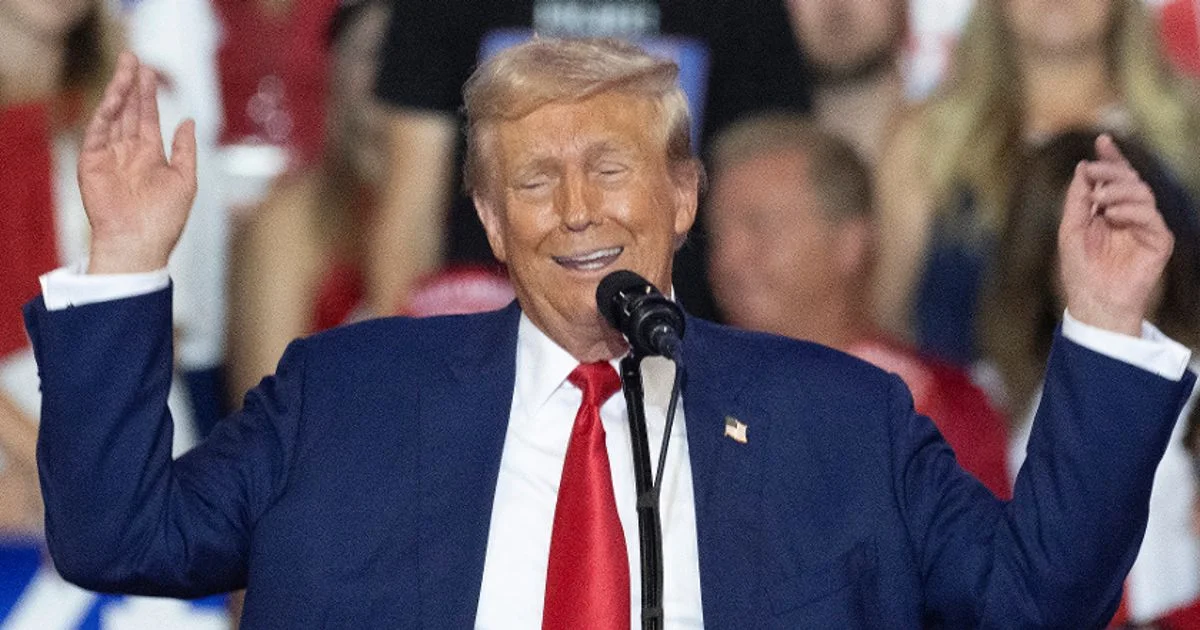
Donald Trump has taken a strong stance, proposing measures to restrict transgender athletes from women's sports, suggesting a "very, very strong form of testing."
This stance echoes broader debates, including concerns raised by former college swimmers regarding transgender participation in women's collegiate sports. For instance, a lawsuit has been filed over Lia Thomas, a transgender swimmer, and former University of Pennsylvania swimmer Grace Estabrook has spoken about the situation.
There have been instances where prominent figures, including Donald Trump, have made public statements misidentifying female athletes, such as boxers Imane Khelif and Li Yu-ting, as men, sparking further controversy.
Athletes Facing Online Harassment and Threats
Beyond political commentary from public figures, some athletes speaking out on social issues, particularly those related to LGBTQ+ rights, have experienced severe backlash.
Read More: Trump Disagrees with Federalist Society, Judge Stops His Courtroom Talk
Rep. Glenn has reported receiving "online hate and threats" for her public support of LGBTQ+ rights.
The backlash highlights the personal risks some athletes face when they choose to engage in political or social commentary, moving beyond purely athletic representation.
These experiences underscore a broader trend where public figures, including athletes, who voice progressive views can become targets of harassment and aggression.
Broader Context of Athlete Activism
The current situation is part of a larger trend of athletes using their visibility to advocate for social and political change.
The US Olympic athletes are preparing for events such as the Milan Cortina Games, with some athletes from Minnesota specifically speaking out about the political climate back home.
Athletes like Glenn are framing their Olympic platform as an opportunity to advocate for specific communities, in her case, the LGBT community.
The discussion involves how athletes balance their roles as competitors with their identities as citizens who may have strong views on societal issues.
Expert Analysis
"The intersection of sports and politics is not new, but the current intensity of public commentary from both athletes and political figures presents a unique challenge for national representation," observes a political analyst. "The ease of digital platforms allows for rapid dissemination of opinions, leading to swift public reactions and counter-reactions."
A sports sociologist noted, "When athletes speak out, they are leveraging a powerful platform. However, this can create divisions, as seen with the backlash against those advocating for LGBTQ+ rights or against policies impacting transgender athletes. The narrative often gets polarized, leaving little room for nuanced discussion."
Conclusion
The actions of several US Olympians in voicing their political and social concerns, coupled with Donald Trump's critical responses and the ongoing debate surrounding transgender athletes, have created a complex environment. Athletes who speak out risk facing online hate and threats, as demonstrated by Rep. Glenn. This dynamic highlights the increasing prominence of athlete activism and the polarized reception it can receive. The debate over transgender participation in sports, in particular, remains a significant focal point, with proposed stringent testing measures being a key part of the discussion. The situation underscores the challenges athletes face in navigating their public roles while expressing personal convictions in an era of heightened political sensitivity.
Sources:
NPR: As US Olympians call for tolerance and LGBTQ rights, some face Trump attacks and online hate. Published 1 hour ago. https://www.npr.org/2026/02/09/nx-s1-5706017/as-us-olympians-call-for-tolerance-and-lgbtq-rights-some-face-trump-attacks-and-online-hate
The Daily Wire: Trump Fires Back After Olympians Say They Have ‘Mixed Emotions’ Representing America. Published 16 hours ago. https://www.dailywire.com/news/olympians-say-they-have-mixed-emotions-representing-america-under-donald-trump?author=Drew+Berkemeyer&category=undefined&elementPosition=2&row=3&rowHeadline=Latest+News&rowType=Vertical+Carousel&title=Trump+Fires+Back+After+Olympians+Say+They+Have+%E2%80%98Mixed+Emotions%E2%80%99+Representing+America
CNN: Trump says he wants strong testing to keep transgender athletes out of women’s sports at 2028 Olympics. Published Aug 5, 2025. https://www.cnn.com/2025/08/05/sport/trump-task-force-la-olympics-spt
The Mirror: Donald Trump calls two female Olympians 'men' in fresh transgender row. Published Aug 18, 2024. https://www.themirror.com/news/us-news/donald-trump-falsely-calls-two-650536
Fox News: Former Lia Thomas teammate calls out Democrats still fighting for trans athletes in women's sports. Published Feb 12, 2025. https://www.foxnews.com/sports/former-lia-thomas-teammate-calls-out-democrats-still-fighting-trans-athletes-womens-sports?msockid=0a481701658e606c0a0d01fa64a661c5
We Got This Covered: 'It's really hard': US Olympians are stepping off the podium to speak out about the chaos in Minnesota. Published 6 days ago. https://wegotthiscovered.com/news/its-really-hard-us-olympians-are-stepping-off-the-podium-to-speak-out-about-the-chaos-in-minnesota/
Read More: Lindsey Vonn Hurt in Ski Race Crash