New Delhi, India - The Indian government has commenced a nationwide study to address the pressing issue of height restrictions on buildings in urban areas. This initiative, led by Union Civil Aviation Minister K. Rammohan Naidu, aims to create a framework that allows for urban expansion while strictly upholding aviation safety standards. The study is being conducted with the support of international bodies, including the International Civil Aviation Organization (ICAO), and seeks to incorporate global best practices and technological advancements into India's regulatory landscape. This move comes as India witnesses rapid growth in its civil aviation sector and increasing urbanization, creating a parallel need for development in the real estate sector.

Context of Urbanization and Aviation Expansion
The Indian government's focus on managing urban growth over the next two decades has brought the issue of building height restrictions to the forefront. Developers have flagged height clearance as a significant concern, highlighting the interconnectedness between the civil aviation and real estate industries. The nation's civil aviation sector is experiencing substantial growth, with the number of operational airports increasing from 88 to 165 over the past 11 years. Projections indicate an ambitious plan to establish 50 more airports within the next five years, with a long-term potential to reach over 350 airports. This expansion is expected to spur considerable real estate development around these new aviation hubs, leading to the concept of "aerotropolises" – urban centers built around airports.
Read More: India IVF Costs And Social Barriers Limit Access In April 2026
The Study's Objectives and Scope
The nationwide study is designed to find solutions that can address the challenges posed by existing height restrictions for buildings located near airports. A key objective is to do this without compromising aviation safety, which remains the paramount concern for the Ministry of Civil Aviation.

Balancing Development: The study seeks to find a balance between the need for real estate development, driven by rapid urbanization and airport expansion, and the imperative of ensuring safe air travel.
International Collaboration: The initiative involves seeking expertise from the ICAO, a United Nations body that sets global aviation standards. This collaboration aims to integrate international perspectives and best practices into the Indian context.
Technological Integration: The study will also explore how technological advancements can aid in addressing these complex issues, potentially leading to updated regulations and modernized approaches to urban planning around airports.
Global Benchmarking: The government is looking at how similar issues are managed in other international cities, such as Hong Kong, to draw development lessons.
Actors and Stakeholders
Several key entities and individuals are involved in this initiative:

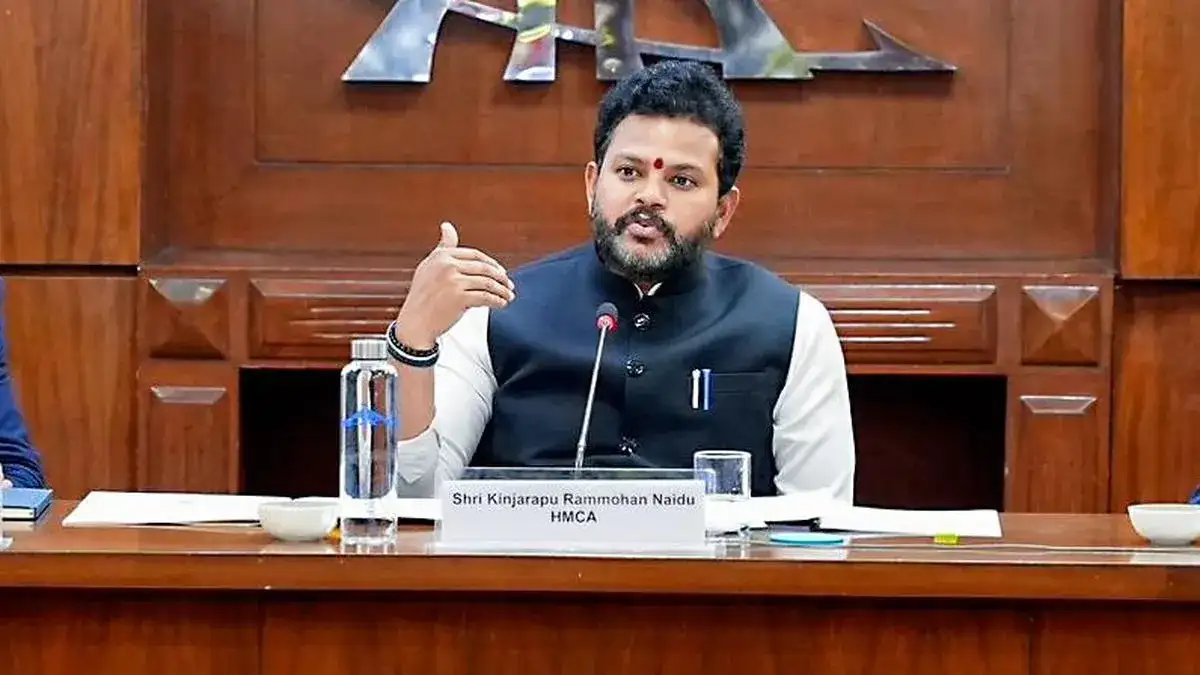
Union Civil Aviation Minister K. Rammohan Naidu: He is the primary proponent and announcer of the study, emphasizing the dual goals of aviation safety and urban development.
Ministry of Civil Aviation: The ministry is leading the study and is responsible for its implementation and the subsequent policy decisions.
International Civil Aviation Organization (ICAO): This UN body is being consulted to provide expertise and guidance based on global aviation standards.
Real Estate Industry: Developers and real estate bodies, such as NAREDCO, are key stakeholders who have raised concerns about height restrictions. Their involvement is crucial for understanding development challenges.
Airports Authority of India (AAI): While not explicitly stated as a direct participant in the announcement of the study, the AAI's existing guidelines and survey firms are relevant to the context of airport-related regulations (as indicated by the provided links in Article 12).
Evidence of the Initiative
Multiple news sources confirm the announcement and scope of the study:
Union Civil Aviation Minister K. Rammohan Naidu stated on Friday, February 13, that the government is conducting a nationwide study. (ANI, New Kerala)
The study aims to address height restrictions in urban areas while maintaining air safety. (ANI, New Kerala, Aviation360)
ICAO assistance is being sought to examine solutions for building height restrictions around airports. (Devdiscourse, Aviation360, CNBC TV18, ETV Bharat)
The initiative is part of the NDA government's vision to manage urbanization over the next 20 years. (ANI, New Kerala)
The study will consider global standards, technological advancements, and updated regulations. (ANI, New Kerala)
Real estate development around upcoming airports is highlighted as an important aspect, with plans to develop "aerotropolises." (Hindustan Times, Aviation360)
Aviation safety remains the highest priority and will not be compromised. (Aviation360, CNBC TV18, ETV Bharat, Hindustan Times)
The government plans to add 50 more airports in the next five years, which will create significant real estate opportunities. (The Hindu, ETV Bharat, Livemint, Swarajyamag, Devdiscourse)
Balancing Air Safety and Urban Development
The core challenge lies in reconciling the expanding needs of urban development with the non-negotiable requirement for aviation safety.
Read More: How Onikuru facility in Ibaraki City changes local visit habits in 2026
Developers' Concerns: Height restrictions are identified as a primary concern for developers, potentially limiting the scope and density of construction in urban areas, particularly near airports.
Safety Imperative: The Ministry of Civil Aviation has repeatedly emphasized that passenger safety is the highest priority and will not be compromised. The study's outcomes must align with this principle.
ICAO's Role: By involving the ICAO, the study seeks to ensure that any proposed solutions adhere to international safety protocols and best practices, preventing potential conflicts with global aviation standards.
Economic Implications and Future Prospects
The expansion of India's airport infrastructure is directly linked to economic growth and real estate opportunities.
Airport Expansion: The ambitious target of adding 50 new airports in five years is expected to significantly boost the real estate sector.
Aerotropolis Development: The focus on developing urban centers around airports (aerotropolises) signifies a strategy to leverage aviation infrastructure for broader economic and urban growth.
Sectoral Growth: The initiative aims to boost sectoral growth through real estate projects in proximity to new airports, potentially targeting a 15 percent increase in economic activity in such areas.
Conclusion and Next Steps
The initiation of this nationwide study by the Ministry of Civil Aviation marks a significant step towards addressing a complex challenge at the intersection of urban planning and aviation safety. By engaging international expertise from the ICAO and focusing on technological advancements, the government aims to develop a robust framework that supports both the rapid expansion of Indian cities and the continued growth of its aviation sector.
The success of this initiative will depend on the thoroughness of the study, the integration of expert recommendations, and the subsequent implementation of updated regulations. The ultimate goal is to foster a sustainable model of development where urban expansion does not impede air safety, thereby ensuring the well-being of citizens and the continued progress of the nation's aviation and real estate industries.
Read More: Tamil Cinema Loses K. Bhagyaraj and Bharathiraja, Ending An Era
Sources Used:
ANI News: https://aninews.in/news/business/civil-aviation-ministry-initiates-nationwide-study-to-resolve-urban-height-restrictions-rammohan-naidu20260213135136/
New Kerala: https://www.newkerala.com/news/a/civil-aviation-ministry-initiates-nationwide-study-resolve-urban-624.htm
Devdiscourse (Article 3): https://www.devdiscourse.com/article/science-environment/3803794-study-underway-to-address-height-curbs-for-buildings-near-airports-civil-aviation-minister
Hindustan Times: https://www.hindustantimes.com/real-estate/intl-study-to-begin-soon-to-find-solutions-for-buildings-height-curbs-near-airports-naidu-101756546945236.html
Aviation360: https://www.aviation360me.com/indian-government-to-seek-icao-expertise-on-building-height-restrictions-near-airports/
CNBC TV18: https://www.cnbctv18.com/travel/govt-to-commission-study-on-restrictions-on-height-of-buildings-around-airports-says-naidu-19661778.htm
The Hindu: https://www.thehindu.com/news/national/aiming-for-50-more-airports-in-5-years-will-provide-huge-real-estate-opportunities-aviation-minister-naidu/article70627522.ece
ETV Bharat: https://www.etvbharat.com/en/!bharat/govt-to-study-ways-to-address-buildings-height-curb-issues-near-airports-to-rope-in-icao-experts-says-rammohan-naidu-enn25083003529
Devdiscourse (Article 9): https://www.devdiscourse.com/article/science-environment/3803684-india-aims-50-more-airports-in-5-years-will-provide-huge-real-estate-opportunities-naidu
Devdiscourse (Article 10): https://www.devdiscourse.com/article/science-environment/3609094-navigating-skyscrapers-balancing-aviation-safety-and-real-estate-growth
Livemint: https://www.livemint.com/news/india/india-targets-50-more-airports-in-next-5-years-to-boost-huge-real-estate-opportunities-says-ram-mohan-naidu-11770967378282.html
Swarajyamag: https://swarajyamag.com/infrastructure/government-targets-50-more-airports-over-five-years-to-catalyse-airport-led-urban-growth
Ministry of Civil Aviation: https://www.civilaviation.gov.in/about-ministry/whos-who - This source provides general ministry information and staff but does not directly detail the study's announcement.
Prosperiti Substack: https://prosperiti.substack.com/p/45-obstacle-ahead - This source contains links to AAI documents and mentions "permissible height of buildings around airports hiked" but does not directly announce the new study.
Aviation Defence Universe: https://www.aviation-defence-universe.com/year-end-review-of-ministry-of-civil-aviation/ - This source reviews the Ministry's year-end activities but does not specifically detail the study announcement.
PIB (Press Information Bureau): https://www.pib.gov.in/PressReleasePage.aspx?PRID=2053964®=3&lang=2 - This source is marked as low priority and the summary extraction failed.