


The Uttar Pradesh culture department is facing sharp criticism for its persistent silence in response to repeated requests for information under the Right to Information (RTI) Act. An activist, Desh Deepak Dubey, has voiced his concerns, stating that his attempts to access data regarding the department's expenditure on cultural events and its financial dealings with various organizations have been met with a deafening lack of response. The Hindu reported on May 17, 2026, that attempts to reach the department for comment on these allegations were unsuccessful. Dubey’s stated aim in filing RTI requests is to unearth corruption and nepotism, bringing crucial public information into the public domain and promoting transparency.
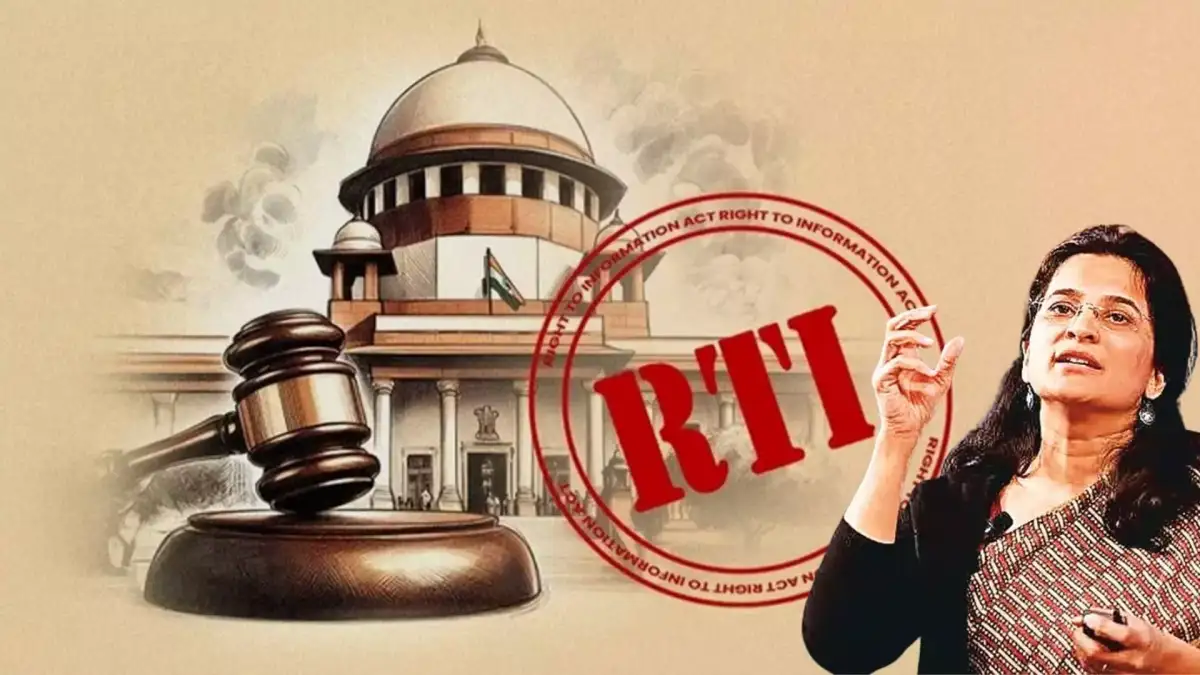
Broader Concerns of RTI Weakening Emerge
This incident in Uttar Pradesh is not an isolated case, as similar patterns of opacity and alleged weakening of the RTI Act have been observed elsewhere. Transparency campaigners, including Venkatesh Nayak from the Commonwealth Human Rights Initiative (CHRI), have accused the Election Commission of India (ECI) of providing vague and evasive replies to RTI queries concerning electoral roll revisions and engagements with political parties. Nayak pointed to the ECI's purported inability to provide details on actions taken against officials for including ineligible voters, raising questions about potential cover-ups.
Read More: Acting DNI Pulte Fires Dozens of Intelligence Officials Starting Thursday
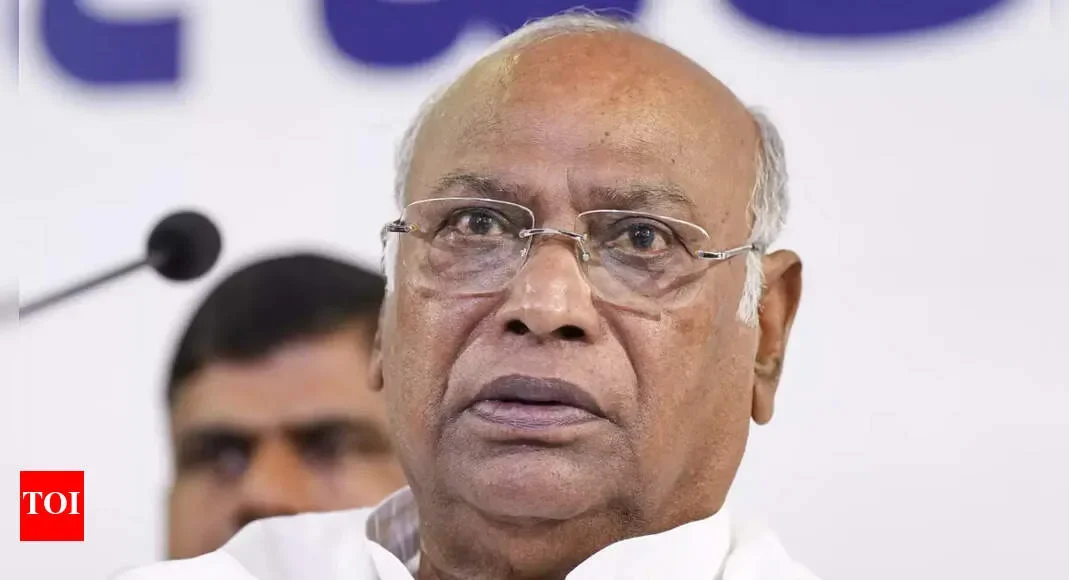
Furthermore, concerns have been raised regarding the Digital Personal Data Protection (DPDP) Act, 2023. Activists, such as Anjali Bhardwaj, and political figures, including Congress president Mallikarjun Kharge, have argued that amendments related to this act could significantly dilute the RTI Act’s effectiveness. Specifically, the removal of language that compelled disclosure of personal information in the public interest is seen as a move that could hinder accountability and obstruct social audits. The Union government is still in the process of considering public inputs for the draft DPDP Rules, 2025, which, upon notification, would trigger these changes.
Pattern of Bureaucratic Evasion
The silence from the Uttar Pradesh culture department echoes a situation at the Odisha Electricity Regulatory Commission (OERC). Here, a senior officer is under scrutiny for alleged rule violations, and a lack of response from key institutions, including the Vigilance Department and the Chief Minister’s Office, has fueled public concern over accountability. In Mirzapur, a case involving Naresh Kumar Jaiswal highlights systemic delays and failures in responding to RTI requests, suggesting broader challenges in upholding the transparency principles of the act within Uttar Pradesh.
Read More: Ram Temple Trust Audit Shows Money Irregularities
The RTI Act, introduced two decades ago, has been a cornerstone for citizens seeking information about governmental functioning. However, these recent developments indicate a growing trend of bureaucratic evasion and potential legislative shifts that may undermine its purpose.


