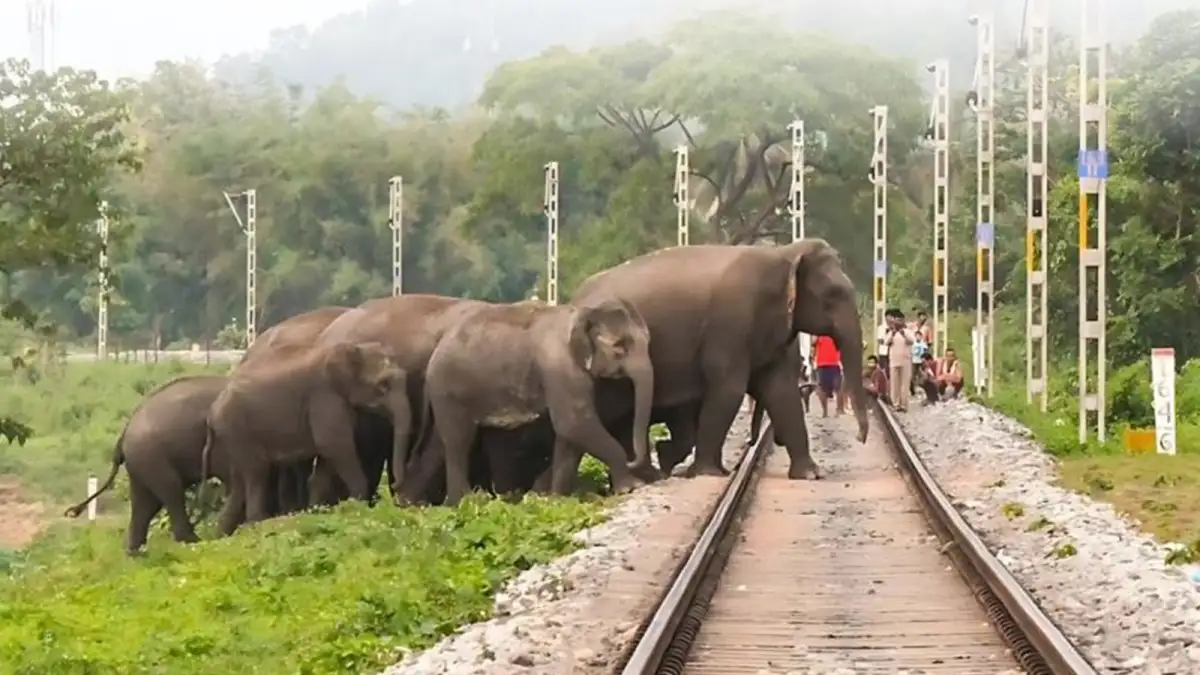
Uncontrolled tourism activities are exerting significant pressure on tigers, potentially disrupting their breeding cycles. This escalating issue, highlighted through various environmental commentaries and visual works, points towards a critical juncture in wildlife conservation efforts. The encroachment of human activity into natural habitats, often fueled by tourism's demands, poses a direct threat to the delicate reproductive behaviors of these large cats.
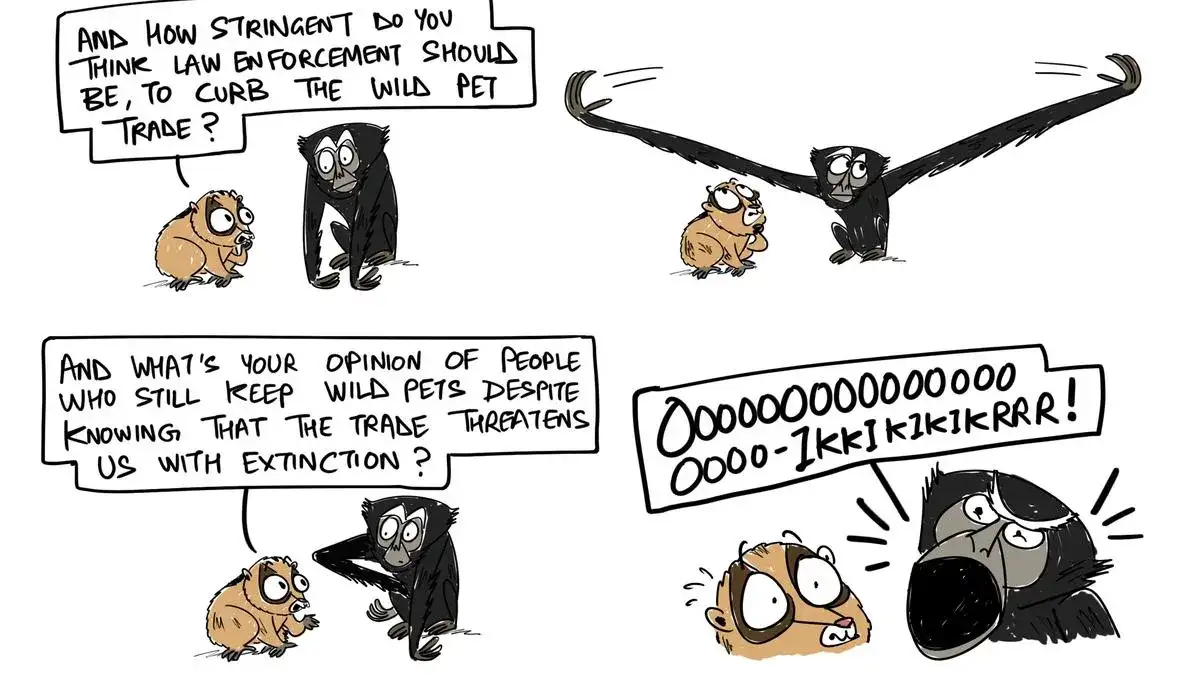
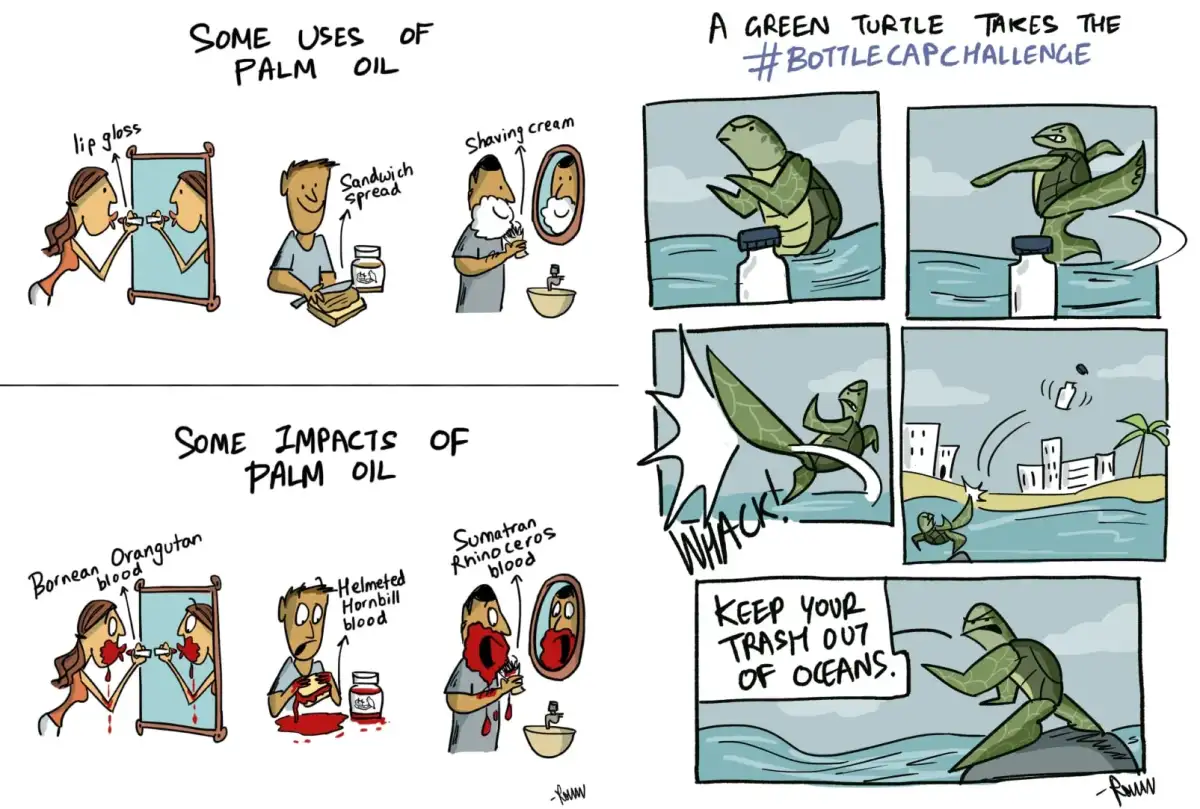
Recent discussions and artistic expressions underscore a growing concern regarding the impact of human presence on wildlife, particularly tigers. Rohan Chakravarty, a cartoonist and illustrator from Nagpur, has consistently used his platform, 'Green Humour,' to draw attention to these environmental challenges. His work frequently delves into themes of wildlife conservation, sustainability, and the broader ecological consequences of human actions.
Chakravarty's series, which began gaining traction around 2016, has evolved to address complex issues. He has focused on topics ranging from the illegal wildlife pet trade to the specific pressures faced by tigers, especially in light of events like 'World Tiger Day' commemorations. His illustrations and comics serve as a visual commentary on the disconnect between urban audiences and their intrinsic relationship with nature, suggesting a need for greater awareness and engagement.
Read More: Antarctic Treaty Talks in Japan: Emperor Penguins Face New Protections
The challenges extend beyond just visual representation. Reports indicate that in areas like Ranthambhore, increased human proximity due to tourism has altered the natural behavior of tigers. This is not merely an aesthetic concern; it directly impacts their ability to mate and raise young without undue stress. The pursuit of "the perfect tiger shot" often leads to practices that are detrimental to the animals' well-being.
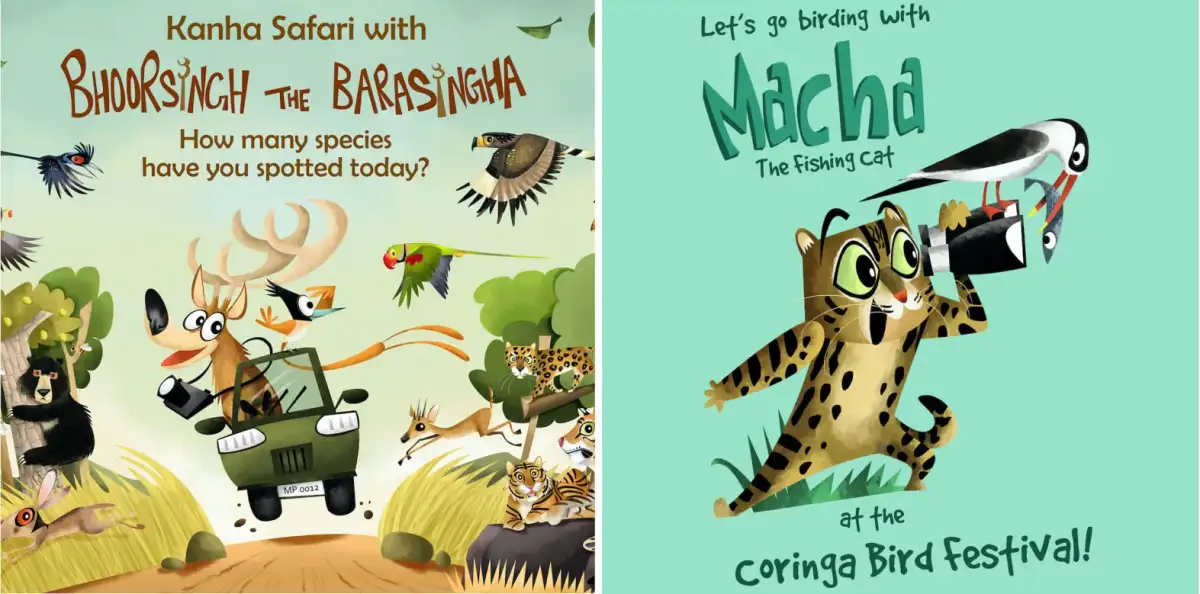
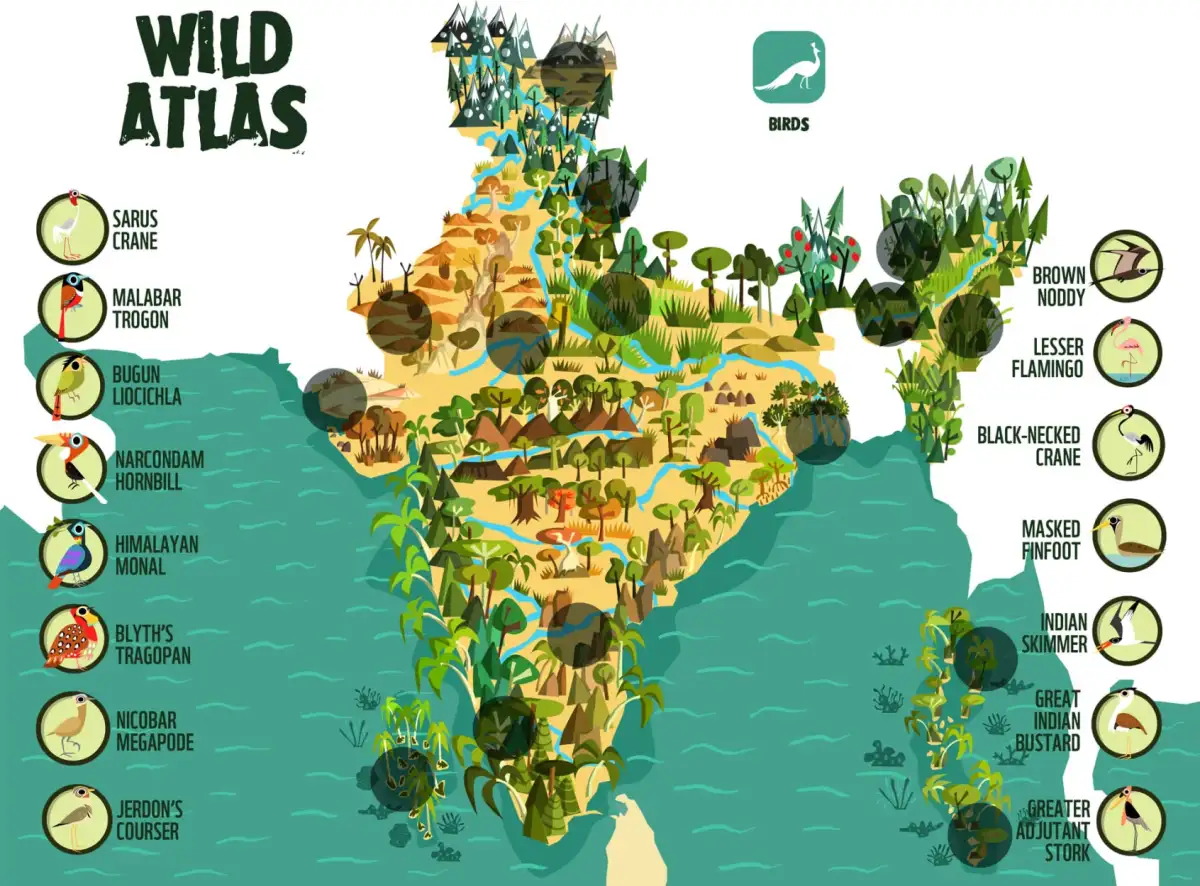
Chakravarty's approach, combining his love for nature with artistic expression, aims to foster conservation awareness. He has even shifted towards creating illustrated maps for conservation organizations, demonstrating a dedication to practical applications of his skills. His broader mission involves using his growing readership to amplify conservation messages, acknowledging that while India possesses a deep historical connection with nature, this sentiment is not always felt by its urban populations.
Read More: India IVF Costs And Social Barriers Limit Access In April 2026