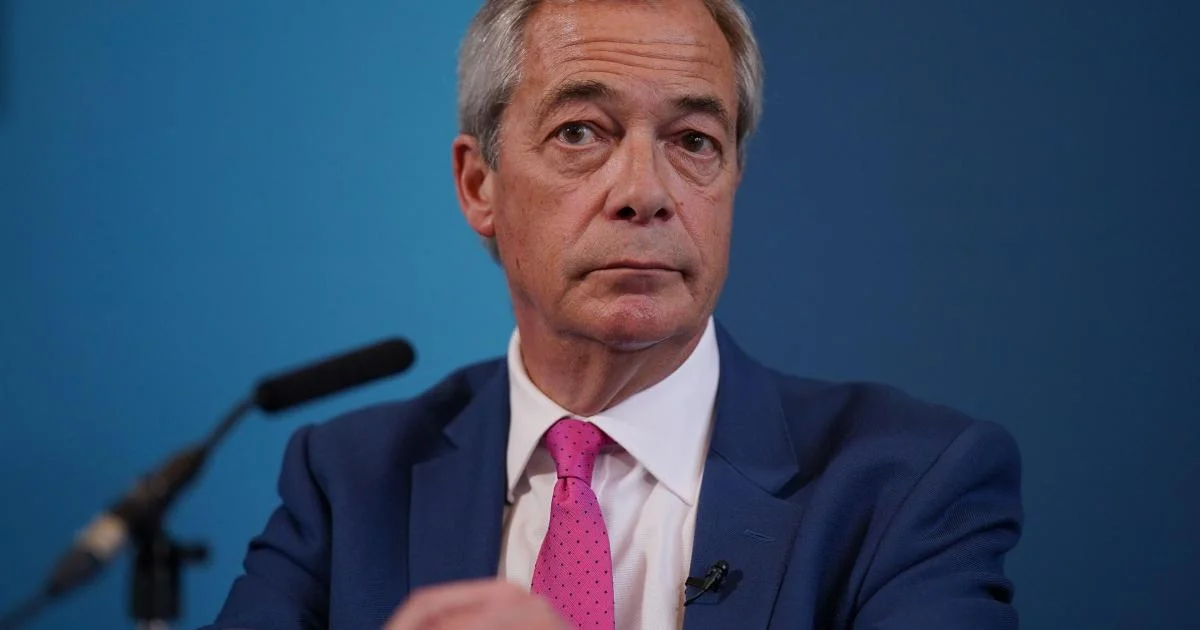
Rahul Gandhi leveled severe accusations today, labeling the Great Nicobar project as one of the most significant "scams" and "gravest crimes" against both the natural environment and tribal heritage. The remarks, made during a press conference, cast a stark spotlight on the controversial development initiative.
The core of Gandhi's denunciation centers on the perceived destruction of the island's unique ecosystem and the displacement or disregard for indigenous communities. He did not offer specific financial details for the "scam" accusation but emphasized the irreversible damage he believes the project will inflict.
Gandhi's commentary, though critical, stands in contrast to broader geopolitical discussions unfolding on the global stage. At the recent 'Davos 2026' summit, Canadian Prime Minister Mark Carney articulated a vision for "middle powers" to band together, suggesting a need for self-protection when existing global frameworks falter. This call for collective action by nations like Canada arises amidst what he described as a rise in "hard power" and "great power rivalry."
Read More: Ukraine asks Israel to seize ship with stolen grain on 29 April 2026
Similarly, US President Donald J. Trump's address at Davos touched on themes of economic well-being and national pride, albeit with a more populist undertone, contrasting with the strategic geopolitical concerns raised by Carney.
The Great Nicobar project, a large-scale infrastructure development, has been a subject of public scrutiny for its potential environmental and social impacts. Gandhi's latest broadside injects a forceful, critical perspective into the ongoing debate, framing it not merely as a development undertaking but as an act of profound ecological and cultural violation.