

A loose network of regional charities is currently engaged in a frantic land-grab, attempting to stitch together a broken countryside.
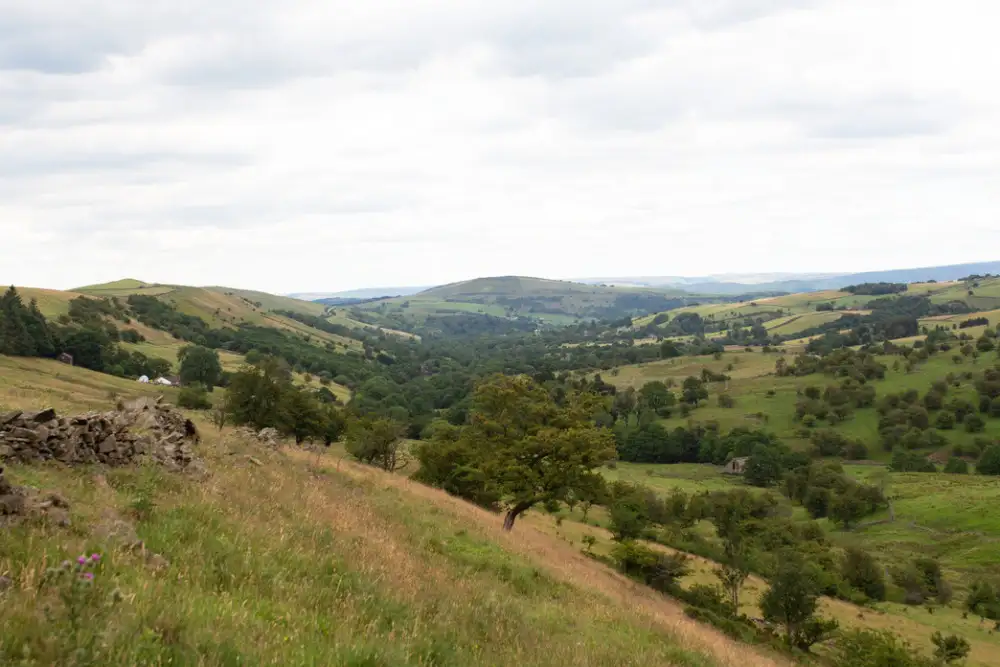
Suffolk Wildlife Trust recently finalized the purchase of the 381-acre Worlingham Marshes after scraping together £775,000 from donors to trigger a £2 million National Lottery Heritage Fund match.
Lincolnshire Wildlife Trust is currently bidding for 215 acres of grassland near Hawthorpe—a site they describe as a hollowed-out landscape in need of protection.
Cheshire Wildlife Trust has surpassed a 100-acre acquisition target by taking ownership of Aldred’s Lea and Picton Pastures, relying on the ' bequests ' of the deceased and public appeals.
The Wildlife Trust of South and West Wales has partnered with the Gower Society to buy Cartersford, a 43-acre patch of chopped-down forest.
Nature is no longer a given; it is a commodity that trusts must buy at market rates to keep it from further decay.
| Organization | Project Site | Scale | Financial Status |
|---|---|---|---|
| Suffolk WT | Worlingham Marshes | 381 Acres | Completed (£2.77m total) |
| Lincolnshire WT | Hawthorpe | 215 Acres | Active Bid |
| Suffolk WT | Martlesham Wilds | 286 Acres | Seeking £1m |
| Cheshire WT | Aldred's Lea | 29 Acres | Purchased (Legacy gift) |
| Wildlife Trust S&W Wales | Cartersford | 43 Acres | Purchased (Gower Society) |
The Economy of Repair
The drive for ' nature recovery ' is increasingly transactional. In one six-month window, the collective trusts raised nearly £8 million to pivot land use away from human utility.
"The truth is that the UK is one of the most nature depleted countries on the planet and the situation is getting worse." — The Wildlife Trusts framing of the current crisis.
This capital is being used to ' de-program ' industrial and leisure spaces.
In Carlisle, a 42-acre golf course is being turned into a bug habitat.
In Worcestershire, 95 acres of ' arable fields ' are being reverted to heathland.
In Suffolk, the Martlesham Wilds project aims to wild 116 hectares of land on the River Deben, sitting directly across from the ancient royal burials at Sutton Hoo.
The irony of using lottery winnings—the pennies of the public—to buy back land that was historically enclosed or degraded by large-scale industry is a quiet but persistent theme in these acquisitions.
Long-Term Entrenchment
The move toward ' stewardship ' marks a shift in how these charities operate. They are no longer just agitators or advisors; they are becoming significant ' landlords '.
Read More: England Chalk Streams Need Stronger Rules in Planning Policy, Say Experts
The Gower Society, which spent 75 years helping others buy land, has finally made its first direct purchase at Cartersford. This suggests a lack of faith in ' private ownership ' to maintain ecological ' integrity '. Restoration involves a messy process of planting broadleaf woods and hedgerows to replace what was "destroyed," essentially trying to simulate a past that no longer exists naturally.
Background: The Hollowed Countryside
The British landscape is a ' brittle ' collection of isolated pockets. Most of the UK is ' nature-depleted ', a polite term for biological exhaustion. By buying ' scraps ' of 12 to 380 acres, the trusts hope to create ' wild corridors '. However, this depends on a constant stream of ' public charity ' and the uneven ' generosity ' of government-sanctioned gambling funds. The strategy is lumpy and asymmetrical, but it is currently the only mechanism moving dirt from production back into protection.
Read More: Dog Attacks Leave 5 Children Scarred in UK Parks and Homes