


The Telangana High Court is escalating its scrutiny of the state government's protracted delays in settling dues with contractors and suppliers, flagging principal secretary (finance) Sandeep Kumar Sultania for repeated non-compliance with court directives and a failure to appear despite summons. The judiciary’s patience appears thin, with the court questioning the survival of agencies tasked with public works and their ability to compensate employees when payments for completed projects, sometimes years old, remain outstanding.

This judicial friction points to a systemic issue of delayed payments across various sectors, impacting entities ranging from major construction firms to fish seedling suppliers. The court's interventions are not merely advisory; it has explicitly warned of further action, including the potential summons of senior officials if compliance is not demonstrated. The repeated issuance of notices and the explicit mention of contempt proceedings underscore the seriousness with which the High Court views these delays.
Read More: Utah lawmakers approve 6% funding increase for public schools

Financial Secretary Faces Scrutiny
Sandeep Kumar Sultania, the state's principal secretary for finance, has been directly implicated for his non-adherence to prior court orders. The court has directed that he personally appear until payments are settled, a strong indicator of the judiciary's intent to ensure accountability. This emphasis on the finance secretary’s role suggests the court sees budgetary and financial management as a core obstacle to resolving these long-standing payment disputes.

Broad-Spectrum Delays
The High Court’s concerns are not confined to a single sector. Instances include:
Construction Projects: A significant sum of Rs 198 crore is reportedly owed to NCC, a contractor whose projects were completed years ago. The court has expressed dismay at the contractor's plight, highlighting the economic strain caused by the government's delay.
Fish Seedling Supply: Multiple suppliers have approached the court, with payments made to only a fraction of them. Despite a court order in February 2025 directing the government to clear these dues, many remain unpaid. The court has rejected justifications like "budget preparation" and insisted on prompt implementation of its orders.
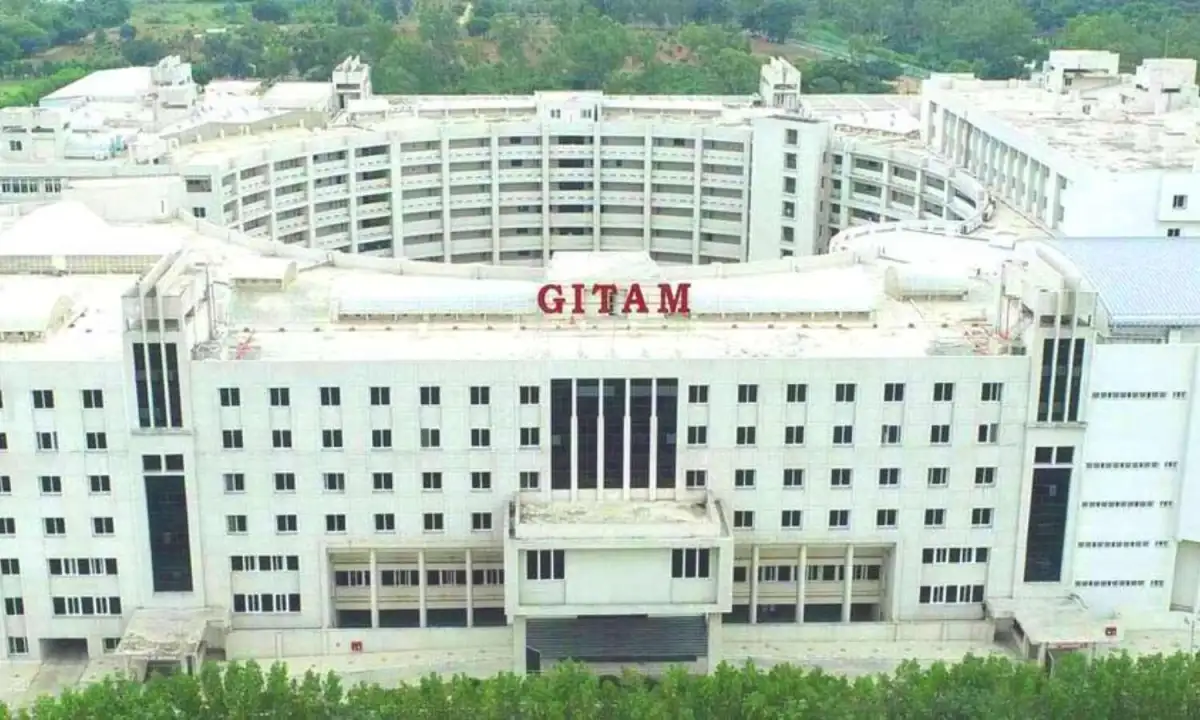
Power Dues: The Telangana State Southern Power Distribution Company Limited (TGSPDCL) has faced criticism for its inaction in recovering Rs 118.13 crore in electricity dues from GITAM University. The court has questioned why stringent measures, such as power disconnection, were not initiated against the institution for its nearly two-decade-long default.
Pattern of Non-Compliance
The narrative emerging from these judicial pronouncements is one of repeated delays and a pattern of the government seeking extensions. The court has noted that even after receiving "tokens" for payments, suppliers have faced further year-long waits, indicating a failure in the subsequent processing and disbursement stages. This has led suppliers to initiate contempt proceedings, forcing the court to take a sterner stance and refuse further time extensions.
Read More: Investors urged to act fast on Navan, Barclays fraud probes before deadlines
Context of Judicial Intervention
These cases unfold against a backdrop where the judiciary is compelled to step in due to alleged administrative inertia or wilful disobedience. The High Court's pronouncements, particularly concerning Sandeep Kumar Sultania, signal a move towards holding individual officials accountable for the state's fiscal inaction. The judicial branch is effectively acting as a mechanism to enforce financial obligations that appear to be neglected at the executive level. The court’s increasing insistence on personal appearances and its refusal to grant easy extensions indicate a significant shift in its engagement with these financial disputes.