


Serious health concerns are surfacing around popular weight loss injections, with reports highlighting significant digestive distress and a heightened risk of pancreatic inflammation, prompting warnings from healthcare professionals and regulatory bodies.

Reports indicate a strong correlation between these GLP-1 inhibitor medications and severe gastrointestinal issues, primarily constipation and bloating, especially if dietary fibre intake is not managed meticulously. Doctors stress that a sudden increase in fibre, without gradual adjustment, can exacerbate these "miserable" side effects. This digestive slowdown extends beyond simple stomach discomfort, affecting the natural movement of stool through the intestines.

Furthermore, a troubling link between these injections and acute pancreatitis, a life-threatening inflammation of the pancreas, is under scrutiny. While clinical trials showed low percentages for this side effect, the widespread private purchase of these drugs has led to hundreds of individuals falling ill. UK regulators are actively investigating these cases, with reports of hundreds falling sick and a number of deaths associated with these medications.
Read More: 5 Million Brain Tumor Patients Need Radiosurgery But Few Get It
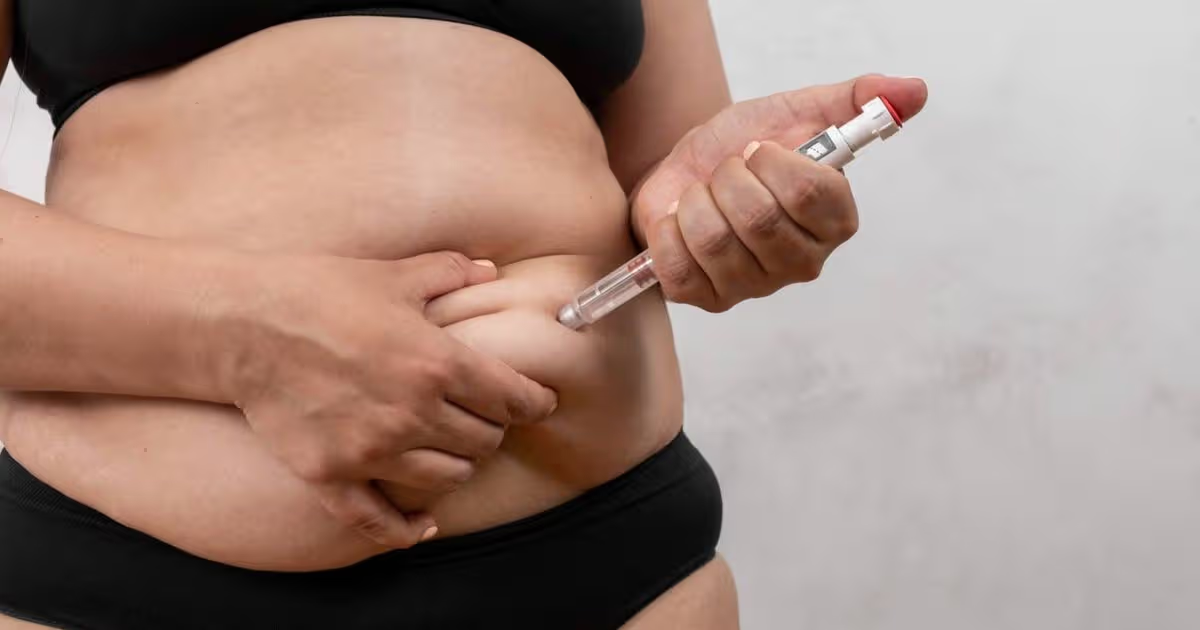
The issue is compounded by the rise of unregulated and potentially fake injections being sold online. NHS officials are issuing stark warnings about the dangers of these treatments, which can be "fake, dangerous and even deadly," particularly when obtained without proper medical supervision. Problems arise when individuals use these powerful medicines without ensuring they do not interfere with existing health conditions or other prescribed medications.

Beyond Digestive Woes: Other Risks Emerge
Beyond the immediate digestive and pancreatic concerns, other risks are coming to light. Reports mention a concerning trend of individuals creating a "golden dose" of Mounjaro, a weight loss jab now being rolled out in the UK, in an attempt to maximise perceived value, a practice cautioned against by both experts and manufacturers.
Context and Caution: A Broader Picture
The increasing popularity of these "skinny jabs" has led to an NHS alert for millions, underscoring that these are potent pharmaceuticals, not mere cosmetic enhancements. There is concern that some patients may feel pressured to use these injections for purely aesthetic reasons, rather than for genuine medical necessity. The NHS advises that these injections should not be used during pregnancy or when attempting to conceive.
Read More: Lord Chadlington quits House of Lords in March 2024 after breaking rules on PPE contracts
The Society for Acute Medicine and other expert groups are calling for stricter controls on how medications like Ozempic, Mounjaro, Saxenda, and Victoza are prescribed. Official figures indicate a significant number of deaths in the UK linked to the use of these weight-loss and diabetes drugs, with specific numbers attributed to various medications.
Weight loss injections, often referred to as GLP-1 inhibitors, work by mimicking hormones that regulate appetite and blood sugar. Their mechanism for weight loss involves making individuals feel fuller for longer and reducing appetite. While potentially beneficial for some individuals under strict medical guidance, the recent influx of reports regarding adverse effects and the proliferation of unregulated products necessitate a closer examination of their safety and accessibility.