Five million patients worldwide require radiosurgery for intracranial tumors and neurological disorders annually, yet fewer than 10% of these individuals access such intervention. This diagnostic and treatment gap persists despite the availability of high-precision technologies capable of targeting brain tissue without the need for invasive, open-cranial incisions.
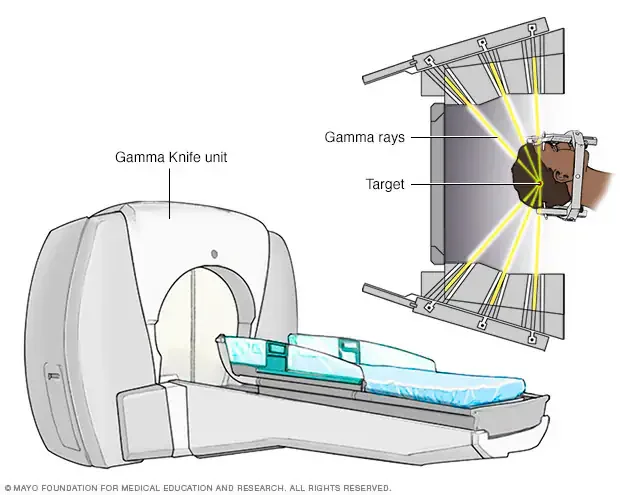
"The ZAP-X system is designed exclusively for treating intracranial conditions and allows doctors to target tumours and abnormal brain tissue with highly focused radiation beams delivered with sub-millimetre accuracy." — John R. Adler, Stanford University.
The primary friction in modern neuro-oncology remains the misalignment between patient population scale and procedural availability. While the technical capability to manage lesions via Stereotactic Radiosurgery (SRS) has matured over two decades, the delivery of these services—exemplified by systems like the ZAP-X—is geographically and economically tethered to centralized, high-resource medical nodes.
Current Clinical Landscape
| Modality | Procedural Profile | Target Efficacy |
|---|---|---|
| Traditional Surgery | Invasive, prolonged recovery | Debulking large masses |
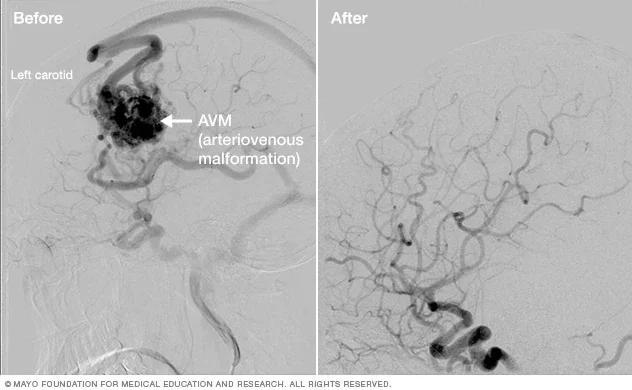
| SRS/Radiosurgery | Day-care, non-incisional | Sub-millimeter precision |
| Fractionated SRS | Salvage therapy/Multi-lesion | High dose control |
Patient selection relies on strict criteria, including lesion count and volume, yet current clinical guidelines are evolving to manage higher numbers of metastases.
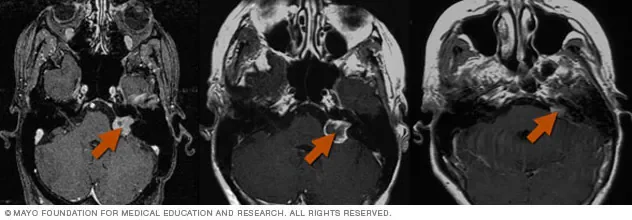
Outcomes are often latent, with benign tumors shrinking over months or years post-exposure.
Multidisciplinary care is the mandated standard for complex brain metastasis, requiring tight coordination between neurosurgeons and radiation oncologists.
Infrastructure vs. Necessity
The deployment of advanced hardware—such as the recently installed ZAP-X Gyroscopic Neuro-Radiosurgery Platform at AIG Hospitals, Hyderabad—highlights the trend of shifting complex brain procedures into the outpatient "day-care" domain.
Read More: India IVF Costs And Social Barriers Limit Access In April 2026
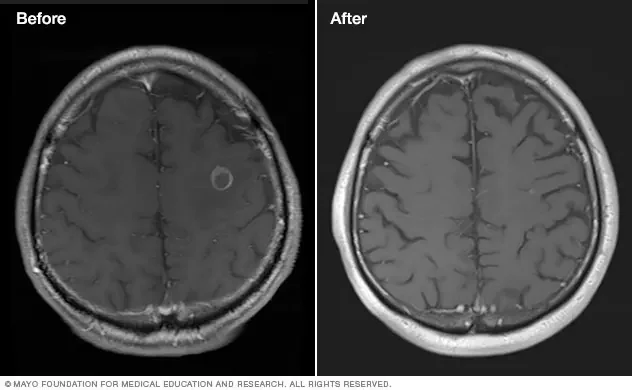
However, this shift exposes a fragile irony: while medical literature continues to validate SRS as a cornerstone of modern neuro-oncology, the logistical requirements of maintaining such platforms—advanced imaging, physics support, and specialized personnel—constrain widespread adoption in emerging markets.
Evolution of Methodology
Historically, the evolution of brain tumor management has tracked with the miniaturization and accuracy of radiation delivery. Stereotactic radiosurgery has shifted from a novel intervention to a standard pillar of oncology, replacing whole-brain radiation in many contexts to preserve cognitive function and minimize collateral tissue damage. The current discourse within medical journals focuses not on whether SRS works, but on the optimization of fractionation protocols and the integration of salvage treatments for metastatic failure. The 90% deficit suggests that the future of the field is less about finding new physics and more about solving the geometry of healthcare access.
Read More: FDA Approves Wegovy for Liver Disease with Scarring