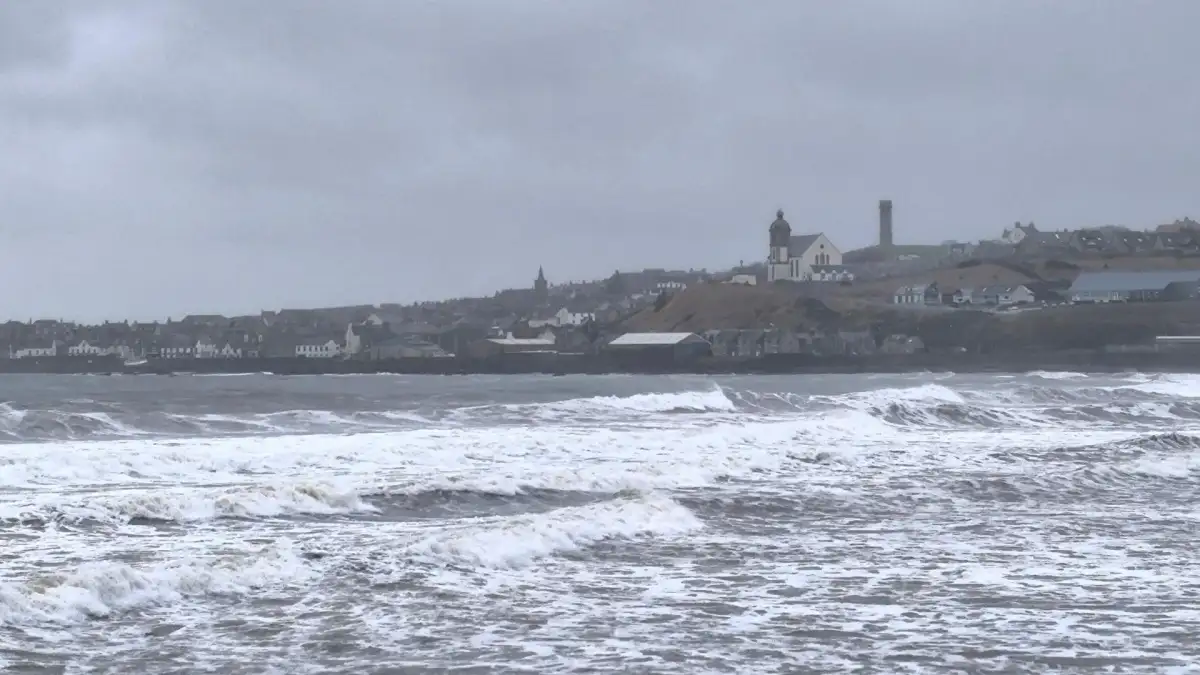
The relentless downpour gripping the UK has turned soggy landscapes into waterlogged nightmares, leaving millions utterly "sick of it." From sodden streets to overflowing rivers, the question on everyone's lips is: why this unending deluge? While meteorological jargon about jet streams and pressure systems flies around, a critical eye must be cast. Is this merely a statistical anomaly, or are there deeper, perhaps unacknowledged, factors contributing to this persistent meteorological misery? We delve into the explanations, armed with data and a healthy dose of skepticism, to understand if we're just experiencing a bad weather cycle, or if something more profound is at play.
The Architect of Our Misery: The Jet Stream's Erratic Dance
Meteorologists point to the jet stream as the primary conductor of this watery orchestra. This fast-flowing current of air high in the atmosphere, usually a relatively predictable force, has reportedly entered a "blocked pattern." But what does this "blocked pattern" actually mean for the average Brit facing perpetual rain?
Read More: UK Sees Snow and Ice Warnings
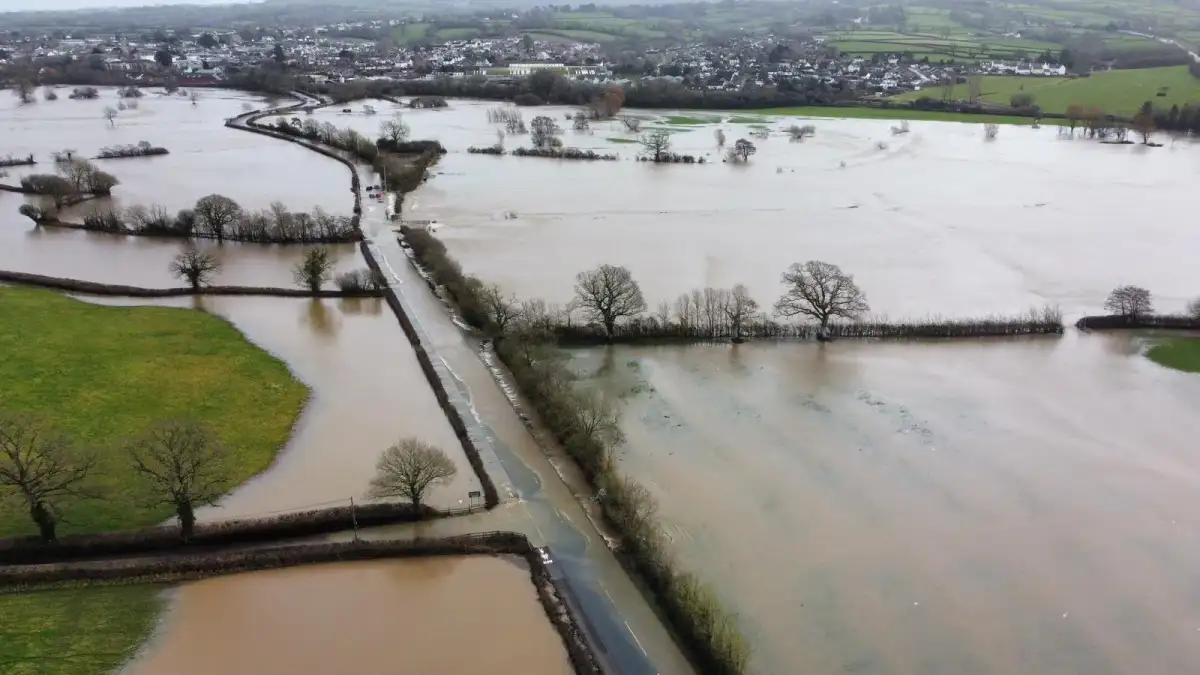
A Southern Shift: The jet stream has reportedly shifted southwards across the Atlantic. When this happens, it's said to "funnel low-pressure systems directly towards the UK" (Met Office). This means more frequent and intense rain-bearing weather fronts are being directed our way.
High Pressure's Grip: Simultaneously, high-pressure systems have established themselves over parts of Northern Europe, particularly Scandinavia. This creates an unusual atmospheric setup where low-pressure systems repeatedly approach from the southwest, while high pressure blocks their easy passage elsewhere.
The NAO Factor: Further complexity is added by the North Atlantic Oscillation (NAO). A negative NAO phase, characterized by high pressure extending from Eurasia across Northern Europe towards Iceland and Greenland, is implicated. This "blocked pattern" is said to be a "clear signature" of this phase (YourWeather.co.uk).
"When the jet stream shifts south across the Atlantic, it tends to funnel low-pressure systems directly towards the UK, increasing the frequency and intensity of rain-bearing weather fronts." - Met Office
But are these explanations truly comprehensive? What forces are causing this unusual southward shift and the subsequent "blocking"? Is it purely natural variation, or are external factors influencing this powerful atmospheric river? The descriptions, while informative, feel like snapshots of a complex system without fully explaining the "why" behind the deviations.
The Atlantic's Constant Drip: A Familiar Source of Soggy Skies
The Atlantic Ocean has always been a key player in UK weather. Its vastness acts as a reservoir of moisture, readily available to be carried inland by prevailing winds. This isn't new; it's a fundamental aspect of why the UK experiences significant rainfall.
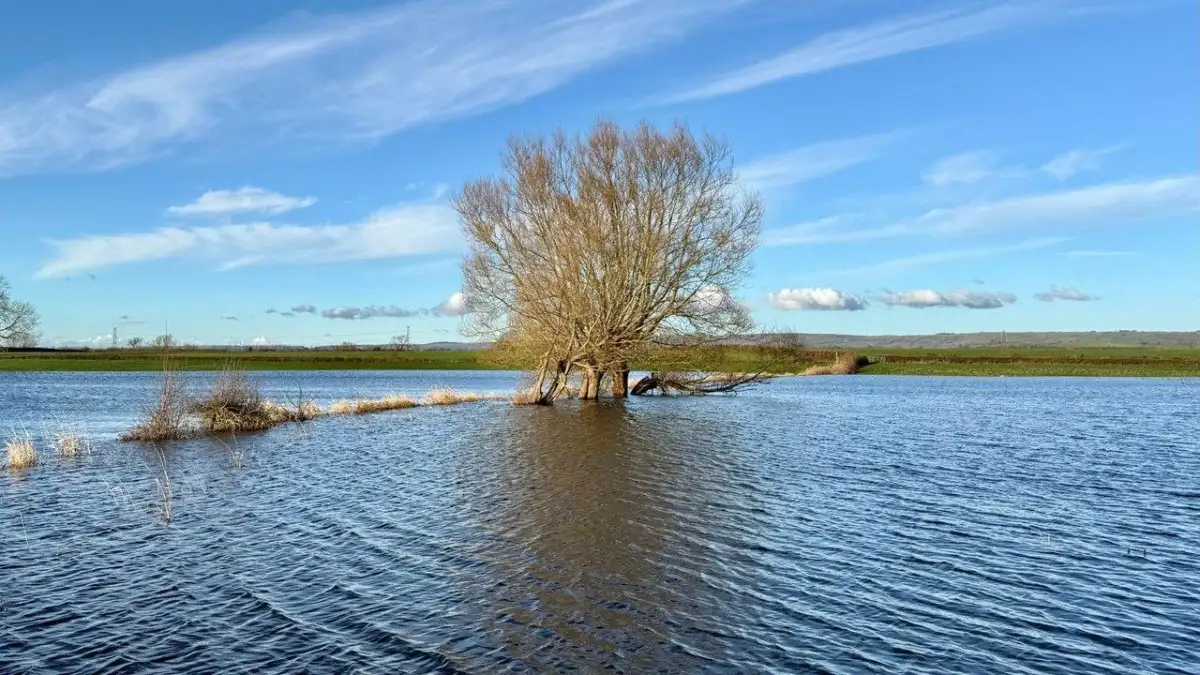
The Polar Front Connection: Low-pressure systems often form along the Polar Front, where warm, subtropical air meets cold polar air. These interactions are the birthplace of many weather disturbances that impact the UK.
Moisture-Laden Air Masses: Winds blowing eastward from the Atlantic act as a "persistent conveyor belt," pushing "warm, moisture-laden air masses" towards Europe (Biology Insights). This readily available moisture is the raw material for much of the UK's rain.
High Humidity: The air over the UK frequently holds "significant moisture," a direct consequence of its oceanic proximity, leading to consistent cloud formation (World Weather Online).
Warmer Air, More Water: Crucially, warmer air can hold more moisture. This means that even if the volume of rain-bearing systems remains the same, the intensity of downpours can increase (Sky News).
"The resulting warm, moist air mass acts as the raw material for England’s rain, establishing the Atlantic as the constant supplier for approaching weather systems." - Biology Insights
While the Atlantic's role is undeniable, the current intensity and duration raise questions. Is the amount of moisture in these air masses increasing beyond historical norms? If warmer air holds more water, and global temperatures are indeed rising, should we be expecting more frequent periods like this? Are we simply observing a more extreme manifestation of a long-standing weather dynamic?
Read More: Climate Models: Why Government Uses RCP8.5 Scenario
The "Blocked Pattern" Debate: Natural Cycle or a Symptom of Something Else?
The concept of a "blocked pattern" is central to the current meteorological narrative. It suggests an unusual stability in the atmospheric flow, leading to prolonged periods of specific weather. But the term itself can feel like a convenient label for something not fully understood or explained.
Repetitive Low Pressure: The current setup involves repeated low-pressure systems "continue[ing] to approach from the southwest" (Met Office), seemingly unable to move on.
Unusual Combinations: This year, the UK has experienced an "unusual cold and wet combination," deviating from the typical pattern of wet winters and drier springs (YourWeather.co.uk). This suggests more than just a simple shift in the jet stream.
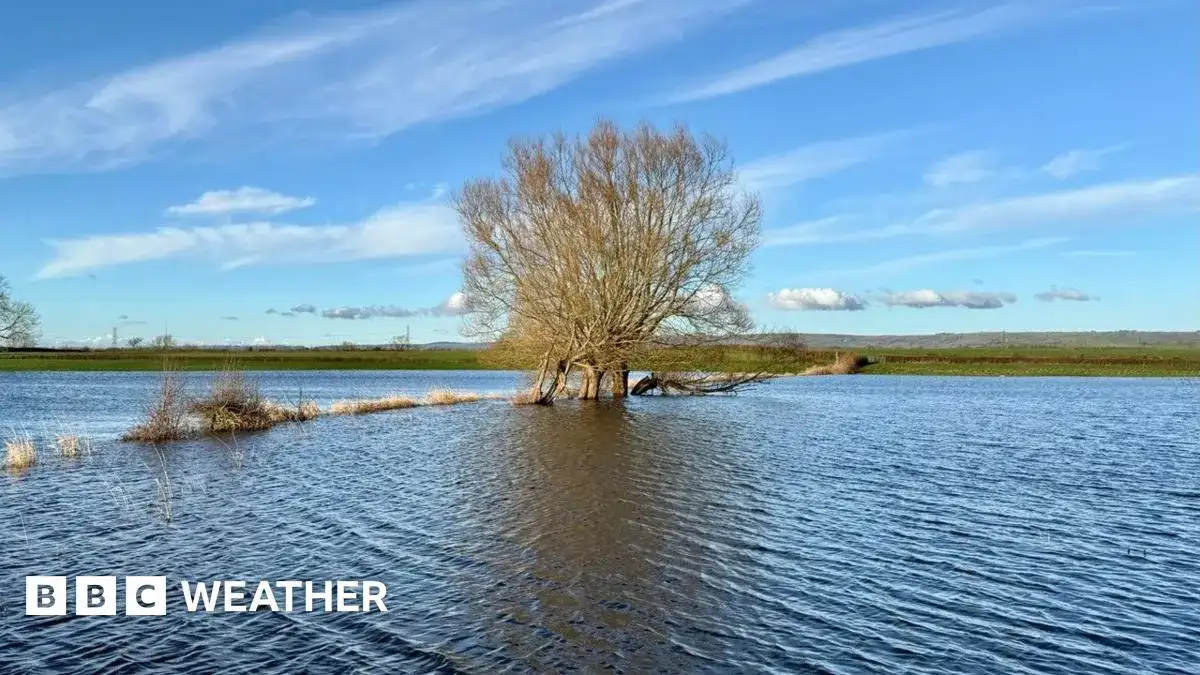
Extended Warnings: Met Office weather warnings are in place across large swathes of the country, with predictions of everyday rain for parts of Southwest England and South Wales throughout the year (BBC Weather). This isn't a fleeting shower; it's a persistent, widespread phenomenon.
| Factor | Traditional Role in UK Weather | Current Impact/Observation | Question for Investigation |
|---|---|---|---|
| Jet Stream | Guides weather systems; influences storm tracks. | Shifted south, creating a "blocked pattern" directing low pressure towards the UK. | What is causing this persistent southward shift and blocking? Is it a natural fluctuation or driven by external forces? |
| North Atlantic Oscillation (NAO) | Influences pressure differences between Azores and Iceland. | A negative NAO phase appears to be contributing to the blocked pattern, with high pressure northwards. | Are there predictable long-term changes in NAO phasing, or are current shifts a sign of instability potentially linked to climate change? |
| Atlantic Ocean | Source of moisture for weather systems. | Warmer air masses from the Atlantic are carrying more moisture, intensifying rainfall. | How much has the moisture-holding capacity of air masses increased due to rising sea surface temperatures and atmospheric warming? |
| Competing Air Masses | Clash of warm, cold, and continental air creates variability. | This dynamic still exists but is being amplified by the persistent low-pressure systems from the west. | Are the conditions that fuel these clashing air masses becoming more extreme, leading to more volatile and intense weather events? |
If the jet stream is behaving erratically, why? Is it solely an internal atmospheric process, or could factors like Arctic sea ice melt, ocean temperature anomalies, or even human-induced atmospheric changes be playing a more significant role than publicly acknowledged? The Met Office states climate change doesn't alone explain recent washouts, but it does mean storms "will be loaded with even more water than before" (BBC Weather). This is a crucial point: climate change is an amplifier.
Read More: BRITAIN DROWNS: Blocked Jet Stream Unleashes Endless Deluge!
The Climate Change Amplifier: More Water, More Problems?
The elephant in the room, of course, is climate change. While experts are careful not to attribute any single weather event solely to climate change, its role as an amplifier is increasingly hard to ignore.

Increased Moisture Content: As mentioned, warmer air holds more moisture. This means that when low-pressure systems do arrive, the rain they deliver can be heavier and more prolonged (BBC Weather, Sky News).
Impact on Droughts: Ironically, even with above-average rainfall, the drought situation in some areas may not be fully resolved. This suggests that the type of rain (intense, short bursts versus steady, prolonged soaking) and the rate of evaporation due to warmer temperatures are critical factors (Sky News).
Shifting Patterns: Climate change is altering global weather patterns, and the UK's position, being influenced by both polar and tropical air masses and the Atlantic, makes it particularly susceptible to these shifts.
Unpredictability: The notorious unpredictability of UK weather is being exacerbated. Rapid changes, driven by the clash of air masses, are becoming more intense (World Weather Online).
"Climate change alone doesn’t explain our recent washout. Climate change means they’ll be loaded with even more water than before and when they’re wrung out, we’ll see more rainfall." - BBC Weather
The critical question is the degree to which climate change is destabilizing systems like the jet stream. Are we witnessing the birth of a "new normal" where these blocked patterns become more frequent and severe? If so, are our infrastructure, water management systems, and societal planning adequately prepared for a future where such relentless deluges are not exceptions, but the rule?
The Lingering Questions: Beyond the Scientific Jargon
As we sift through the scientific explanations, a number of critical questions remain unanswered, or at least not fully addressed in public discourse:
Are current models sophisticated enough to predict the long-term behavior of the jet stream and NAO, especially under the influence of a changing climate?
What is the precise contribution of anthropogenic (human-caused) climate change to the intensity and duration of these specific weather patterns, beyond the general amplification of rainfall?
Are there potential feedback loops (e.g., changes in ocean currents, atmospheric composition) that are contributing to this prolonged wet spell, which are not being fully highlighted?
How do these meteorological phenomena interact with urban environments? Are paved surfaces and reduced natural drainage exacerbating the effects of heavy rainfall, creating localized "flash flood" conditions that aren't solely explained by the broader weather system?
Are there geopolitical or economic factors that might influence how climate data is interpreted or presented to the public, leading to a potentially downplayed urgency?
The current situation in the UK is more than just a frustratingly wet spell. It's a stark reminder of our planet's complex and increasingly volatile atmospheric systems. While the immediate explanations from meteorologists offer valuable insights, a deeper, more critical investigation is needed to fully grasp the underlying causes and prepare for what may come. The soggy nation waits, not just for the sun, but for clear answers.
Read More: Methane Policy Crucial for Climate Stabilization Today
Sources:
BBC Weather. (n.d.). UK weather: Why is it raining so much? Retrieved from https://www.bbc.com/weather/articles/cy8y652jy96o
BBC Weather. (2024, April 9). Why is it raining so much? Retrieved from https://www.bbc.co.uk/weather/articles/c3gqxrnd5keo
BBC Newsround. (2024, April 2). UK Weather: Why is there so much rain right now? Retrieved from https://www.bbc.co.uk/newsround/68715242
Biology Insights. (n.d.). Why Does It Rain So Much in England? Retrieved from https://biologyinsights.com/why-does-it-rain-so-much-in-england/
Met Office. (n.d.). Why has it been so rainy? Retrieved from https://www.metoffice.gov.uk/blog/2026/why-has-it-been-so-rainy
NetFM. (n.d.). Why is it so wet in the UK? Meteorological experts explain the relentless rain - as soggy Brits say they're 'absolutely sick of it'. Retrieved from https://www.netfm.net/news/science-and-technology/why-is-it-so-wet-in-the-uk-meteorological-experts-explain-the-relentless-rain-as-soggy-brits-say-theyre-absolutely-sick-of-it/
Sky News. (2025, September 8). UK weather: Rain likely above average this autumn – but why it might not clear the drought. Retrieved from https://news.sky.com/story/uk-weather-rain-likely-above-average-this-autumn-but-why-it-might-not-clear-the-drought-13424921
World Weather Online. (2025, January 14). Why is UK Weather So Bad? Retrieved from https://blog.worldweatheronline.com/uk/why-is-uk-weather-so-bad/
YourWeather.co.uk. (2026, January 26). Why has it been so wet recently in the UK? Retrieved from https://www.yourweather.co.uk/news/forecasts/why-it-has-been-so-wet-recently-in-the-uk.html