The Unsettling Silence of the Engine's Roar
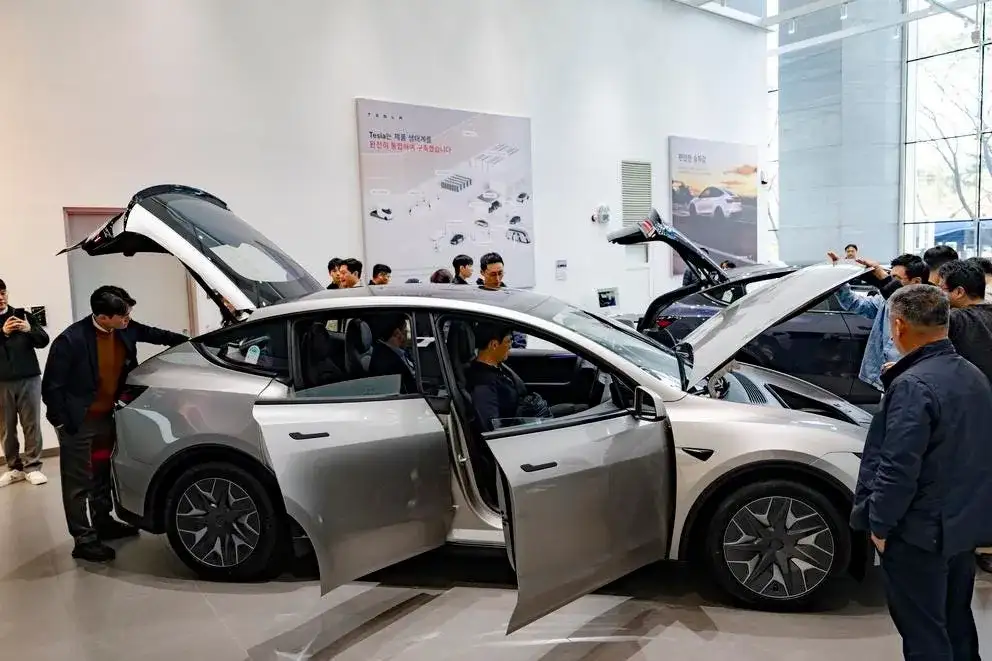
In a world increasingly electrified, Norway has sent a thunderous message. Last month, the sale of new petrol-powered cars in this Nordic nation plummeted to a mere seven. Yes, you read that right: seven. This isn't just a blip; it's a seismic shift, a stark indicator of a future where the internal combustion engine is rapidly becoming a relic. While car sales across the board saw a dip in January due to tax changes, the near-total disappearance of petrol cars is a deliberate outcome of Norway's ambitious climate goals. This dramatic decline raises critical questions: Is Norway a lone pioneer, or a harbinger for a global automotive revolution? And what does this mean for countries still heavily reliant on fossil fuels, both for their cars and their economies?
The Norwegian Experiment: A Decade in the Making
Norway's journey to this precipice of petrol-free motoring has been a long and calculated one, built on a foundation of policy and environmental conviction. For years, the nation has been a global trailblazer in adopting electric vehicles (EVs), consistently topping charts for EV market share.
Read More: Tesla Model Y L 6-Seater US Launch Date and Price Details

Early Adoption and Incentives: Norway's commitment began years ago. The government actively encouraged EV adoption through a suite of incentives designed to make electric ownership as, if not more, appealing than traditional fossil-fuel cars.
Tax Exemptions: A cornerstone of Norway's strategy was waiving significant taxes on EVs, including VAT and import duties. This dramatically lowered the purchase price of electric cars, making them competitive with their petrol counterparts.
Toll and Ferry Reductions: EV owners benefited from reduced or free passage on toll roads and ferries, further cutting down ownership costs.
Free Parking and Charging: In many cities, EV owners enjoyed free parking and access to public charging infrastructure, often at subsidized rates.
Phasing Out Fossil Fuels: The ultimate goal has always been to phase out the sale of new internal combustion engine (ICE) vehicles. Initially set for 2025, this ambitious target has seen the country push aggressively towards a fully electric new car market.
Recent Adjustments and Resilience: While incentives have been gradually scaled back, particularly for higher-priced EVs, the market has shown remarkable resilience.
Tax Increases: In April 2024, Norway introduced a tax on EVs costing over 500,000 Norwegian crowns (approximately USD 46,700), impacting premium models like the Tesla X and Audi e-tron.
January 2025 Tax Hike: A further tax increase on internal combustion cars and hybrid vehicles was slated for April 2025, likely contributing to the surge in EV sales in late 2024 and influencing January's numbers by making fossil fuels less attractive for future purchases.
Persistent EV Dominance: Despite these changes, January 2025 saw a continuation of high EV market share, suggesting that consumer preference has firmly shifted beyond purely financial incentives.
This deliberate, multi-pronged approach has transformed Norway's roads, creating a unique environment where the dominance of electric vehicles is no longer a distant dream but a tangible reality. The question remains: Can this "Norwegian model" be replicated elsewhere, especially in countries with vastly different economic landscapes and energy infrastructures?
The Data Doesn't Lie: A Numbers Game
The figures from January 2025 paint a stark picture of Norway's automotive transition. While overall car sales dipped due to consumers rushing to buy in December to avoid tax increases, the composition of those sales is what truly tells the story.
The Seven Petrol Cars: A mere seven new petrol cars found buyers. This is a dramatic fall, signifying an almost complete abandonment of this technology for new vehicle purchases.
Hybrid and Diesel Slowdown:
Hybrid: 29 hybrid cars were sold. While more than petrol, this is still a minuscule number, indicating a clear move away from any reliance on fossil fuels.
Diesel: 98 diesel cars were registered. This figure, while higher than petrol, also represents a significant decline and underscores the dwindling appeal of traditional diesel engines.
The Electric Surge: In contrast, over 2,000 battery electric vehicles (BEVs) were sold in the same month.
Overall Sales: In January 2025, a total of 9,343 new cars were sold in Norway. Of these, a staggering 8,954 were all-electric. This translates to approximately 96% of new car registrations being electric. (Source: OFV via CBS News)
Context of December Sales: To understand the January dip, it's crucial to note the December 2024 rush. Over 35,000 new cars were sold in December, a record high, as consumers sought to beat upcoming tax changes. This pre-emptive buying spree naturally led to lower sales figures in January across all vehicle types. However, the proportion of petrol cars sold in January is the critical indicator of its near-death.
| Vehicle Type | January 2025 Sales | Percentage of Total (approx.) |
|---|---|---|
| Petrol | 7 | < 0.1% |
| Hybrid | 29 | < 0.5% |
| Diesel | 98 | ~ 1.0% |
| Battery Electric | 8,954 | ~ 96.0% |
| Total New Cars | 9,343 | 100% |
This data, primarily from the Norwegian Road Traffic Information Council (OFV), unequivocally demonstrates the near-total market capitulation of petrol and diesel vehicles in Norway's new car sales.
The Shadow of Oil: Norway's Paradoxical Position
It's a striking paradox: Norway, a nation that ranks among the world's largest oil exporters, is simultaneously spearheading the global charge to eliminate fossil fuel-powered vehicles. This inherent contradiction fuels critical questions about economic diversification and the nation's long-term energy strategy.
Read More: Climate Models: Why Government Uses RCP8.5 Scenario
Economic Backbone: For decades, oil and gas revenues have been the bedrock of the Norwegian economy, funding its generous welfare state and its ambitious environmental policies. The sovereign wealth fund, the world's largest, is largely built on this petroleum income.
Internal Conflict?: While promoting EVs domestically and internationally, Norway continues to extract and export significant quantities of fossil fuels. Critics argue this creates a moral and practical disconnect.
Is the domestic push for EVs a form of "greenwashing" while the nation profits from the very industries it seeks to dismantle globally?
What is the long-term economic plan for Norway once global demand for oil inevitably declines?
Global Influence: As a major energy producer, Norway's internal policies have global ripple effects. By demonstrating the viability of a transition to EVs, it exerts influence on other nations.
Will other oil-producing nations follow Norway's lead, or will they resist the transition to protect their economic interests?
How does Norway reconcile its role as an oil exporter with its climate commitments on the international stage?
This internal paradox highlights the complex interplay between economic realities and environmental aspirations. Norway's success in electrifying its transport sector is undeniable, but the shadow of its fossil fuel industry casts a long and complex light on its global climate leadership.
Beyond the Sales Floor: The Broader EV Ecosystem
Norway's dominance in EV sales isn't solely about purchase numbers; it's about the creation of a comprehensive ecosystem that supports and encourages electric mobility. This includes not just government policy but also infrastructure development and societal attitudes.
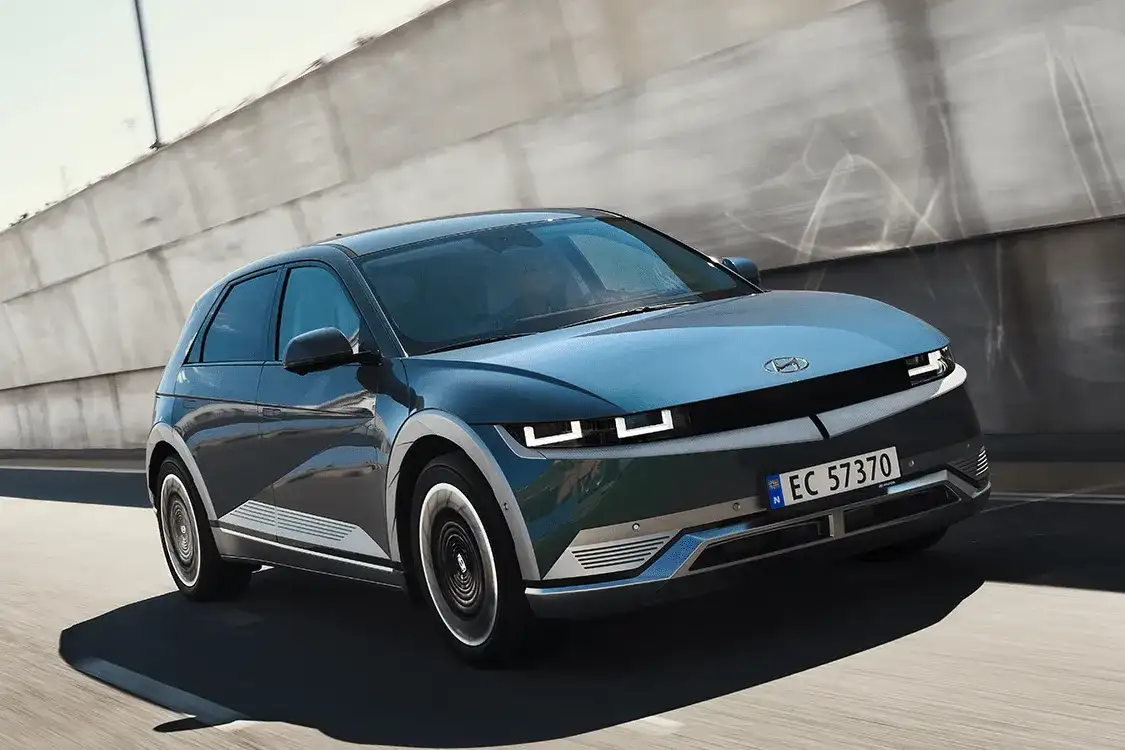
Charging Infrastructure: A critical factor in EV adoption is the availability and accessibility of charging. Norway has invested heavily in this area:
Ubiquitous Chargers: Free charging stations are commonplace in Norwegian towns and cities, with 2,000 located in Oslo alone. (Source: BBC News)
Public and Private Integration: This widespread network ensures that range anxiety, a common barrier to EV adoption elsewhere, is significantly reduced for Norwegian drivers.
Ownership Experience: Beyond charging, other perks contribute to the desirability of EV ownership:
Free Parking: Many municipalities offer free parking for EVs.
Toll Exemptions: Drivers of electric vehicles are exempt from paying city tolls, saving considerable amounts on daily commutes.
Consumer Behavior Evolution: Over time, EV owners in Norway have become increasingly similar to other car owners in terms of demographics and usage patterns. This indicates that EVs are no longer a niche product for early adopters but have become mainstream.
Reduced Car Retention Differences: While EV buyers were historically more likely to keep their old cars, this difference has narrowed, suggesting EVs are now the primary vehicle choice for many.
Impact of Commuting: Individuals who face road tolls on their daily commute are more likely to own an EV, highlighting the cost-saving benefits beyond the initial purchase price.
Market Dynamics:
Tesla's Delivery Cycles: The sporadic delivery schedules of major EV manufacturers like Tesla, which occur roughly every three months, can lead to "spikey" sales statistics, making month-to-month comparisons sometimes misleading without understanding these cycles. (Source: Robbie Andrew's EV data)
Chinese Manufacturer Entry: Notably, Norway has not imposed tariffs on Chinese EV imports, opening the market to brands like BYD, Nio, and XPeng, fostering competition and potentially driving down prices further.
This integrated approach – combining robust infrastructure with financial and practical incentives – has created a self-reinforcing cycle, making EV ownership not just a sustainable choice but often the most convenient and economical one in Norway.
The Global Mirror: Lessons and Warnings
Norway's stark January sales figures are a potent symbol for the rest of the world. While other nations grapple with the complexities of EV adoption, Norway's experience offers both valuable lessons and significant warnings.
Read More: New Cars Under $25,000 Drop to Only 11 Models in April 2026
Proof of Concept: The near-complete disappearance of petrol cars proves that a society can, indeed, transition away from fossil fuel vehicles. This isn't a hypothetical future; it's a present reality in one nation.
Can the political will be found in other countries to implement similar, aggressive policies?
How will Norway's success influence EV policy in the European Union (where EV market share is around 13.4%) and other major markets?
The Role of Incentives: While Norway's success is largely attributed to generous tax breaks and subsidies, the gradual rollback of these incentives without a collapse in EV sales suggests that consumer preference and a robust charging infrastructure can become powerful drivers in themselves.
At what point do incentives become less critical than established infrastructure and consumer habit?
What is the optimal balance between government support and market forces in driving EV adoption?
Economic Repercussions: The rapid decline of fossil fuel vehicle sales has significant implications for industries reliant on them, from manufacturing and maintenance to fuel production and distribution.
What is the plan for retraining and transitioning workers in these traditional sectors?
How will countries heavily dependent on auto manufacturing for ICE vehicles manage this seismic shift?
Energy Grid Strain: A massive influx of EVs places considerable demand on electricity grids.
Has Norway adequately prepared its power infrastructure to handle a fully electric vehicle fleet?
What investments are needed globally to ensure grids can support widespread EV charging without compromising stability or relying on fossil fuel power generation?
Norway stands as a unique case study, a laboratory for decarbonizing transport. Its rapid progress offers a glimpse into a possible automotive future, but the path it has forged is fraught with economic, industrial, and infrastructural challenges that every other nation must carefully consider before embarking on a similar journey.
The Road Ahead: Beyond the Seven
The seven petrol cars sold in Norway in January are not just a statistic; they are a monument to a disappearing era. Norway has unequivocally demonstrated that a future without internal combustion engines in new car sales is not only possible but achievable with focused policy and public buy-in.
The implications are profound:
Global Benchmark: Norway has set a high bar, forcing other nations to confront their own timelines for electrification.
Industry Disruption: The automotive industry worldwide must accelerate its transition to EVs, acknowledging the diminishing viability of ICE technology.
Policy Evolution: Governments will need to scrutinize their own incentive structures and infrastructure development plans, learning from Norway's successes and challenges.
Economic Diversification: Nations dependent on fossil fuels, including Norway itself, face an urgent need to plan for a post-oil automotive future.
While the speed of Norway's transition is remarkable, the sustainability of its approach, particularly concerning its continued oil exports, warrants ongoing scrutiny. The journey to full electrification is far from over, but Norway's seven petrol cars have firmly signaled that the destination is, for many, within reach. The critical next steps involve ensuring this transition is equitable, sustainable, and robust enough to withstand the inevitable economic and infrastructural hurdles that lie ahead for all nations attempting to follow in its pioneering tracks.
Read More: Methane Policy Crucial for Climate Stabilization Today
Sources:
The Guardian: https://www.theguardian.com/world/2026/feb/06/only-seven-petrol-powered-cars-sold-in-norway-in-january
Electrek: https://electrek.co/2026/02/03/even-after-cutting-ev-incentives-norway-only-sold-98-diesel-cars-in-january/
Robbie Andrew's EV Data: https://robbieandrew.github.io/EV/
The National: https://www.thenationalnews.com/climate/2025/01/02/norway-on-brink-of-victory-in-100-per-cent-electric-car-sale-push/
The Economic Times: https://auto.economictimes.indiatimes.com/amp/news/passenger-vehicle/evs-could-overtake-petrol-cars-in-norway-by-end-2024/108997281
Electrive.com: https://www.electrive.com/2024/04/08/evs-on-track-to-overtake-petrol-cars-in-norway-in-2024/
CBS News: https://www.cbsnews.com/news/electric-vehicles-ev-sales-norway-96-percent-new-cars-january-2025/
Hacker News: https://news.ycombinator.com/item?id=46901181
Wikipedia: https://en.wikipedia.org/wiki/Plug-inelectricvehiclesinNorway
The Independent: https://www.the-independent.com/life-style/motoring/motoring-news/norway-electric-car-sales-petrol-b2522545.html