Consumer Graphics Cards Face Rising Costs in Early 2026
Reports emerging in late 2025 and early 2026 indicate a substantial shift in the pricing of consumer Graphics Processing Units (GPUs) from major manufacturers AMD and NVIDIA. These increases are broadly attributed to a confluence of escalating manufacturing costs, particularly for memory components, and a surge in demand driven by the burgeoning artificial intelligence (AI) sector. The NVIDIA RTX 5090 is frequently cited as an example, with some unconfirmed claims suggesting its price could reach as high as $5000. This trend appears poised to affect a wide range of products, not just the highest-end models.

Context: A Perfect Storm of Demand and Cost
The period between December 2025 and January 2026 saw a notable uptick in reports and rumors concerning GPU price hikes. These publications collectively point to a specific set of contributing factors that are reshaping the market landscape.
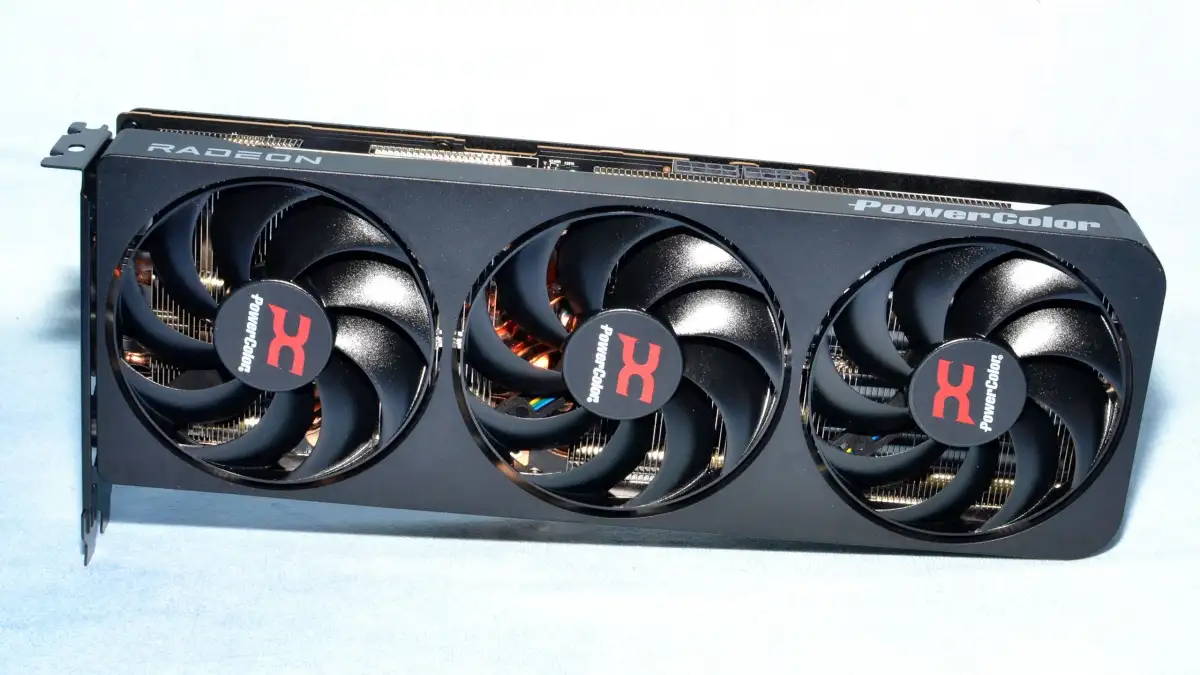
AI's insatiable appetite: The rapid expansion of AI technologies, particularly for training and inference, has led to an unprecedented demand for high-performance GPUs. AI companies are described as "hardware guzzling behemoths" requiring substantial computational power. This demand is creating a significant strain on global manufacturing capacity.
Memory costs surge: A critical element driving up GPU prices is the increasing cost of DRAM, specifically the memory (VRAM) integrated into graphics cards. Reports highlight that memory constitutes a rapidly growing portion of GPU production costs. This scarcity and rising price of memory are often linked directly to the overwhelming demand from AI data centers.
Supply chain re-prioritization: Memory manufacturers appear to be shifting their focus, prioritizing high-margin products for AI data centers over consumer graphics cards. This re-allocation of resources means less memory is available for the consumer market, exacerbating shortages and price pressures.
Gradual, but persistent increases: While some reports mention initial price adjustments in January or February 2026 for AMD and NVIDIA respectively, the general consensus suggests a pattern of ongoing, gradual price increases throughout the year. Some sources even suggest monthly adjustments.
Evidence of Shifting Market Dynamics
The claims of impending price increases are substantiated by multiple reports from various tech news outlets and industry watchers.
Read More: Workers Hesitate to Use AI at Work Despite More Tools Available
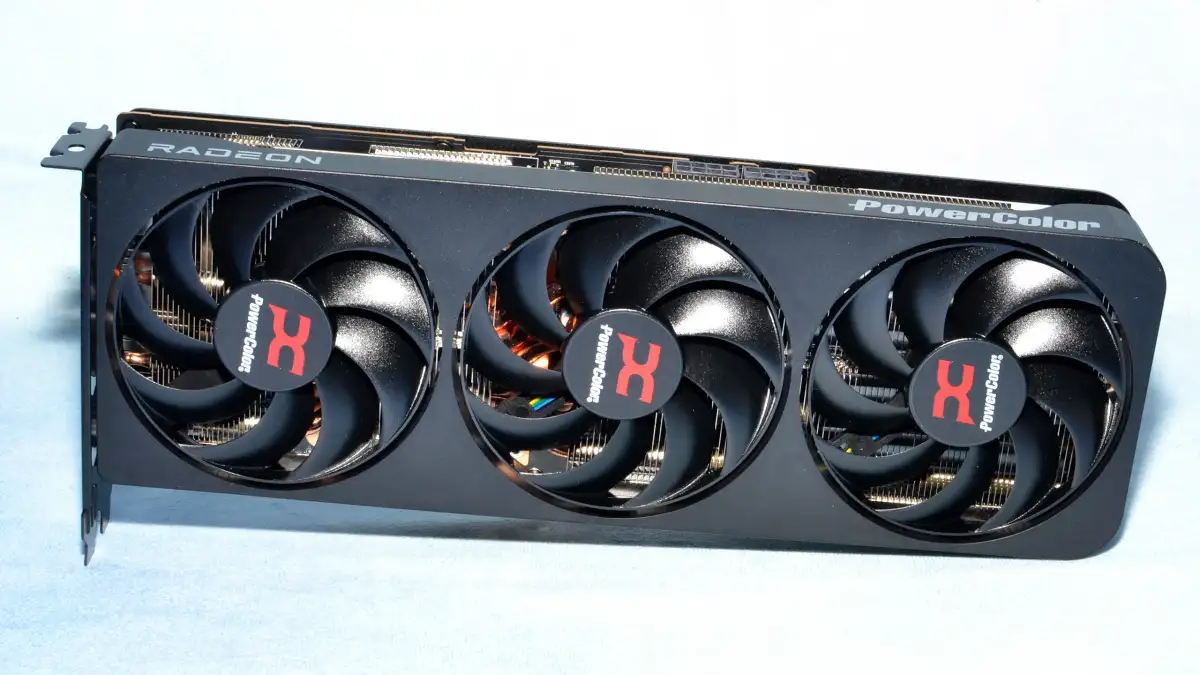
Rumored Price Hikes: Several articles cite specific figures for flagship cards. For example, the GeForce RTX 5090 is mentioned with potential price increases from around $2000 to as high as $5000 (Article 1).
Manufacturer Involvement: Reports indicate that both AMD and NVIDIA are preparing for these price adjustments, with some suggesting these increases will affect their entire product lines, including those destined for AI data centers and servers (Articles 2, 3).
Timing of Increases: Many reports suggest that these price changes are imminent, with initial impacts expected in January and February 2026, coinciding with the start of the new year and potentially new contract pricing (Articles 4, 10).
Cost Drivers: The reasons cited for these increases are consistent across multiple sources:
Rising DRAM Costs: This is a pervasive theme, with increased memory costs being a direct consequence of AI demand (Articles 4, 8, 9, 11).
Manufacturing Costs: Beyond memory, general manufacturing expenses are also noted as contributing factors (Article 2). TSMC's manufacturing costs are also highlighted as a potential driver (Article 7).
Consumer Impact: The consequences for the average consumer are framed as significant, with PC components expected to become "drastically more expensive" (Article 2) and high-end gaming PCs potentially becoming "almost out of reach" (Article 12).
Retailer Adjustments: Some reports suggest that retailers may be adjusting prices in anticipation of or response to these shifts, potentially seeking higher margins from consumers (Article 12).
Conflicting Perspectives on Current Market Conditions
While the expectation of price increases is widespread, some sources indicate that these hikes are not yet fully reflected in all retail prices.

| Viewpoint | Evidence |
|---|---|
| Anticipated Widespread Increases | - Reports of imminent price hikes from AMD and NVIDIA in Q1 2026. |
| - Claims of significant price jumps, with the RTX 5090 potentially reaching $5000. | |
| - Consistent attribution of rising costs to AI demand and memory price increases. | |
| Current Retail Prices Lagging Behind | - Some retailers still selling GPUs at or below original MSRP due to "older inventory purchased at lower memory costs" (Article 11). |
| - Current retail prices for many cards haven't shown a "massive or generalized increase" yet (Article 6). | |
| - Price increases may follow a 60-90 day pipeline from manufacturing cost changes to retail adjustments (Article 7). |
Analysis of Market Drivers
The consensus among various reports points towards a fundamental shift in the GPU market, where the demands of AI are now a primary influence on pricing and availability for consumer products.
AI as the Dominant Factor: The AI sector's "insatiable demand" is repeatedly identified as the core driver. This demand is so significant that it is reportedly influencing memory manufacturers to prioritize data center products, leading to shortages for consumer GPUs (Articles 9, 11, 13).
Consumer GPUs No Longer Top Priority: Some analysis suggests that consumer GPUs are no longer the "most profitable or strategically important products" for manufacturers like NVIDIA. This suggests a deliberate business decision to allocate resources based on return, potentially at the expense of the consumer market (Article 13).
VRAM as a Key Cost Multiplier: The cost impact is disproportionately affecting higher VRAM models. Cards with 16GB or more are noted as being more exposed to VRAM-driven cost increases compared to those with 8GB or 12GB (Article 11).
Beyond NVIDIA's Control: While NVIDIA has historically adjusted prices, some analysis suggests that current pricing pressures are not solely within their control, but are rather dictated by broader market forces, such as memory supply and AI demand (Article 13).
Conclusion and Future Implications
The available information strongly indicates that the GPU market is undergoing a significant and potentially sustained period of price escalation in early 2026. The primary catalyst appears to be the immense demand generated by the artificial intelligence industry, which is directly impacting the cost and availability of critical components like DRAM.
Broad Price Increases Expected: Both AMD and NVIDIA are reportedly poised to implement price increases across their consumer GPU lineups.
AI Demand Drives Memory Shortages: The AI sector's needs are creating a competitive environment for memory supply, leading to higher costs for components essential to graphics cards.
Impact on High-End Models: GPUs with higher VRAM capacities are anticipated to experience the most pronounced price hikes.
Consumer Affordability Concerns: The rising costs pose a significant challenge for PC gamers and builders, potentially making high-end configurations much less accessible.
Market Dynamics Shift: The strategic priorities of GPU and memory manufacturers may be evolving, with AI applications taking precedence over consumer-grade products in resource allocation.
Further observation is required to ascertain the exact scale and duration of these price increases and their ultimate impact on the broader consumer electronics market.
Sources Used:
Read More: China leads in green energy as Middle East conflict raises oil prices
Famiboards: https://famiboards.com/threads/rumour-amd-nvidia-to-increase-consumer-gpu-prices-q1-2026-with-rtx-5090-potentially-increasing-from-2000-to-5000.16130/
Summary of contents was brief and relevant.
Eurogamer: https://www.eurogamer.net/amd-and-nvidia-will-reportedly-raise-gpu-prices-significantly-in-2026
Summary provided a clear overview of key points.
Insider Gaming: https://insider-gaming.com/nvidia-rtx-5090-prices-to-5000-in-2026/
Summary was concise and captured the essence of the article.
VideoCardz: https://videocardz.com/newz/board-channels-amd-and-nvidia-gpu-price-hikes-may-reach-aib-cards-in-jan-feb-2026
Summary accurately reflected the article's focus.
byteiota: https://byteiota.com/ai-inference-costs-2026-the-hidden-15-20x-gpu-crisis/
Summary offered specific insights into AI cost structures.
DropReference (French): https://dropreference.com/fr/blog/news/augmentation-prix-carte-graphique-2026
Summary was detailed and provided a European market perspective.
Ofzenandcomputing: https://www.ofzenandcomputing.com/nvidia-gpu-prices-rising-in-cy-15-surge-explained/
Summary focused on the reasons behind price increases.
Tom's Hardware: https://www.tomshardware.com/pc-components/gpus/amd-to-raise-graphics-card-prices-by-at-least-10-percent-in-2026-price-surge-attributed-to-ongoing-ai-related-dram-supply-crisis
Summary highlighted AMD's position and the DRAM crisis.
Acer Corner: https://blog.acer.com/en/discussion/3846/why-gpu-prices-are-expected-to-rise-in-2026
Summary provided a clear explanation of the market factors.
TheGamer: https://www.thegamer.com/gpu-amd-nvidia-prices-significant-rise-2026-report/
Summary was direct and focused on the core news.
Gamer.org: https://www.gamer.org/your-next-gpu-could-cost-200-more-in-2026-heres-whats-going-on/
Summary detailed the impact of VRAM costs.
TechRadar: https://www.techradar.com/computing/gpu/high-end-pc-gaming-is-in-big-trouble-thanks-to-ai-and-rtx-5090-price-hikes-are-prime-examples
Summary explained the broader impact on PC gaming.
XDA Developers: https://www.xda-developers.com/gpus-may-get-more-expensive-in-2026-but-dont-blame-nvidia/
Summary offered an analysis of manufacturer priorities.