Thousands more Black men in the UK will be invited for prostate cancer screening as part of an expanded trial. This initiative targets individuals aged 45-74, acknowledging a significantly higher risk of the disease within this demographic. Prostate cancer is noted as being more common, developing earlier, and potentially more aggressive in Black men.
The expansion is linked to the Transform trial, a research initiative focused on identifying optimal methods for disease detection. Funding has been allocated to broaden this trial, specifically ensuring greater inclusion of Black men. Previously, trials have lacked sufficient representation from this group, hindering a clear understanding of screening benefits and harms.
The move follows recommendations from the UK National Screening Committee (UKNSC). While the committee has advised screening for a smaller group of a few thousand men identified with specific high-risk gene mutations, namely the BRCA2 variant, and a family history of certain cancers, the Transform trial’s scope is being widened. For men with the BRCA2 mutation, the risk of developing prostate cancer before age 80 is estimated to be between 21% and 35%.
Read More: India IVF Costs And Social Barriers Limit Access In April 2026
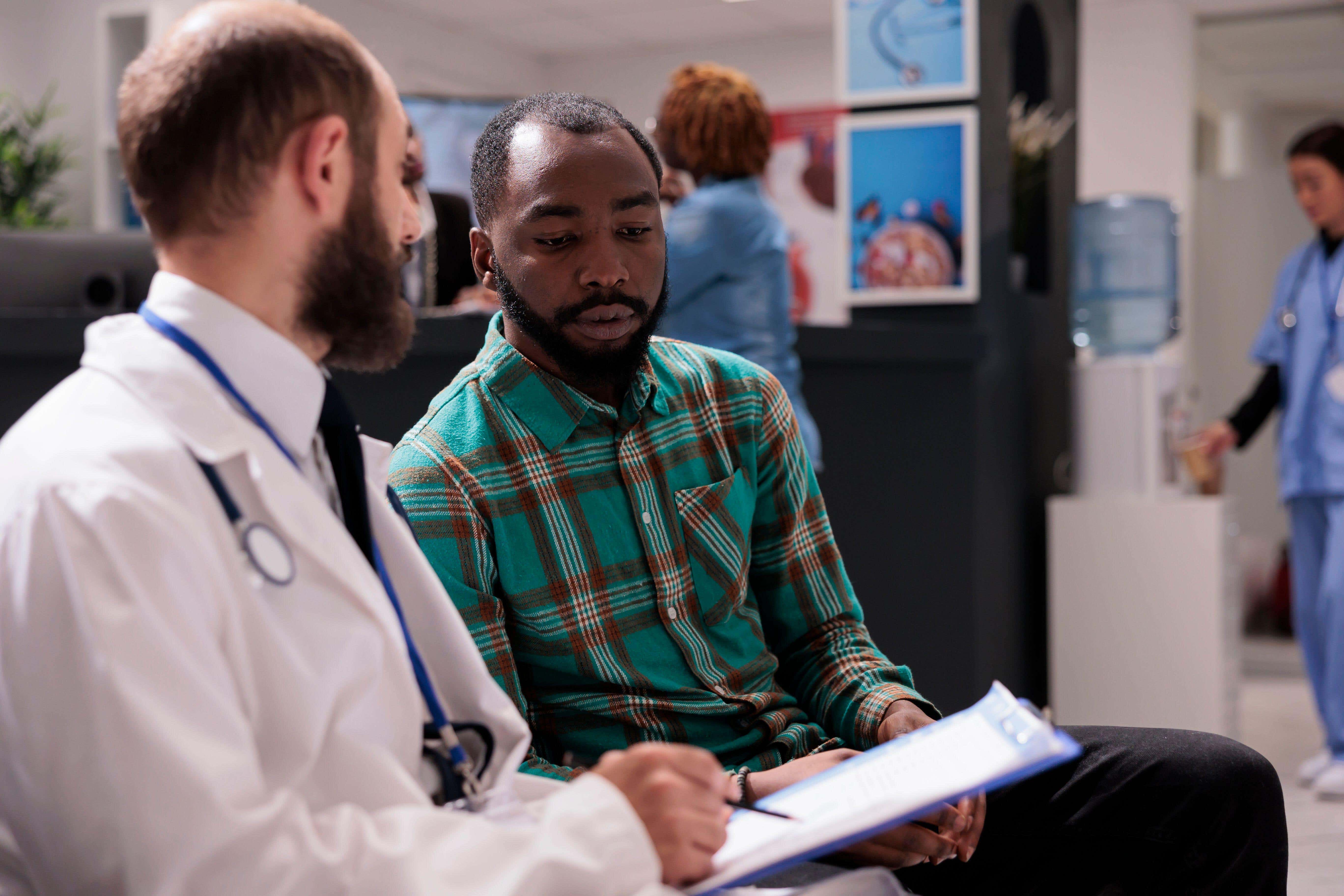
Prostate cancer stands as the most prevalent cancer among men in the UK, with over 64,000 diagnoses annually and an estimated 12,000 deaths per year. For Black men, the risk of developing the disease is reportedly doubled, with approximately one in four affected in their lifetime, compared to one in eight for the general male population.
This broadened approach to screening aims to address the heightened risk factors. All eligible Black men are expected to be invited for at least two screening appointments over the next six years. Discussions with medical professionals regarding the utility of a PSA (prostate specific antigen) test are also encouraged. The trial itself is exploring the combination of rapid MRI scans with PSA blood tests to enhance diagnostic accuracy, aiming to overcome limitations of current methods that may fail to detect aggressive cancers while causing unnecessary harm. The overall effort is backed by additional funding, including an £18 million investment for the Transform trial.
Read More: Tess Daly wears wedding ring in London after split from Vernon Kay