Recent assessments suggest the United Kingdom faces significant vulnerabilities in its defense capabilities, even as Russia escalates its assertive posture and international calls for increased military preparedness grow louder. Warnings from military leaders and parliamentary committees highlight a stark contrast between the perceived threats and the nation's actual capacity to respond, particularly concerning the integrity of critical infrastructure and territorial defense.

Concerns center on the UK's ability to withstand prolonged conflict and protect vital assets like undersea cables, with one report noting that the nation "can’t even defend our own territorial integrity around our seas." The head of the British armed forces, Sir Richard Knighton, has directly stated that "Russia is a threat to the UK and our children must be ready to fight." This sentiment is echoed by Labour MP Tan Dhesi, chairman of the Commons Defence Committee, who has urged an "acceleration in defence spending" due to "grave" concerns over self-defense.
Read More: India's Defence Ministry approves ₹52,000 crore on Friday for new Army and Navy tech
Undersea Vulnerabilities and Maritime Probing
A persistent theme in the discourse is the vulnerability of the UK's maritime domain. Reports indicate constant probing and "attacks on the maritime front," with a particular focus on undersea cables. The fear is that a coordinated disruption of these cables could trigger "economic mayhem and political discord." This maritime insecurity is compounded by observations of increased Russian naval activity, including the presence of "spy ships like the Yantar near UK waters."
Calls for Increased Defence Spending and NATO Readiness
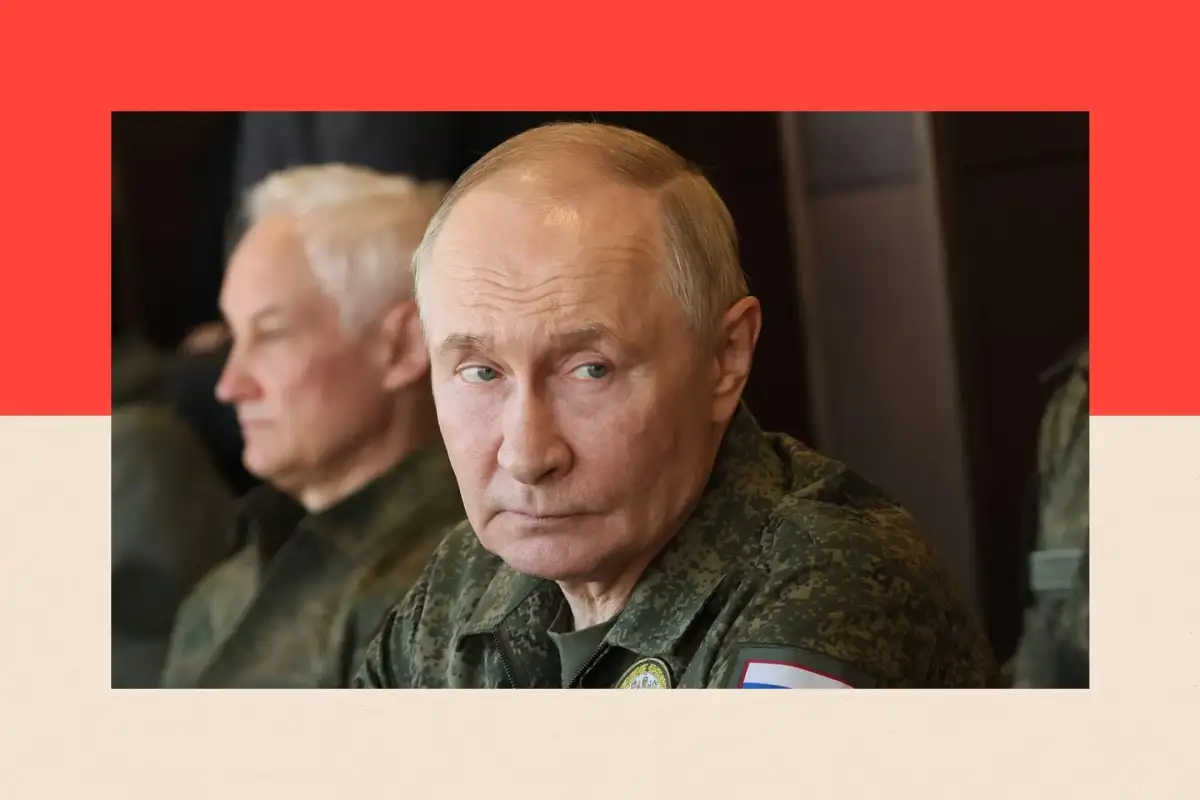
Amidst these concerns, NATO Secretary-General Mark Rutte has urged member states to increase defense spending to 5 percent of GDP. Rutte has characterized Europe as "Russia’s next target" and suggested that countries should prepare for a "scale of war our grandparents or great-grandparents endured." This call for heightened readiness is seen by some as a necessary response to Vladimir Putin's rhetoric and actions, which have been interpreted as directly challenging NATO's stability and the existing international order.
Read More: Tess Daly wears wedding ring in London after split from Vernon Kay
Shifting Russian Stance and Intelligence Foreknowledge
The current unease follows a period where British and US intelligence agencies reportedly possessed foreknowledge of Russia's plans regarding Ukraine. One account suggests that when President Biden was briefed on this intelligence, he was "so alarmed he called Putin directly." This retrospective analysis indicates that, despite warnings, a full-scale conflict, now entering its fifth year, was not adequately anticipated by all parties.
Historical Context and National Preparedness
Unlike nations such as Poland, Finland, and the Baltic states, the UK is described as being "unquestionably not ready for war" in a societal sense. The ongoing conflict in Ukraine has served as a "grue_some and bloody assault" and a "redemptive moment" for intelligence agencies, but for the broader public, it remains an "uncomfortable reminder that a war between Russia and Nato countries, including the UK, was not as remote as people hoped." The question of how long Britain could sustain a fight "if war broke out tomorrow" remains a point of critical reflection.
Read More: India Approves ₹52,000 Crore Military Hardware Deals
Denials and Underlying Hostility
Despite official statements from Russian leadership, such as Putin's claims of not planning to go to war with Europe, assessments from sources within Russia suggest a different perspective. One analyst noted that in Russia, recent events triggered a "different kind of feel-good factor, ‘now we can address our grievances’." This underlying hostility is seen as manifesting in various ways, including meddling in politics, launching cyberattacks, and amplifying nuclear rhetoric, with Britain identified as "number one enemy."