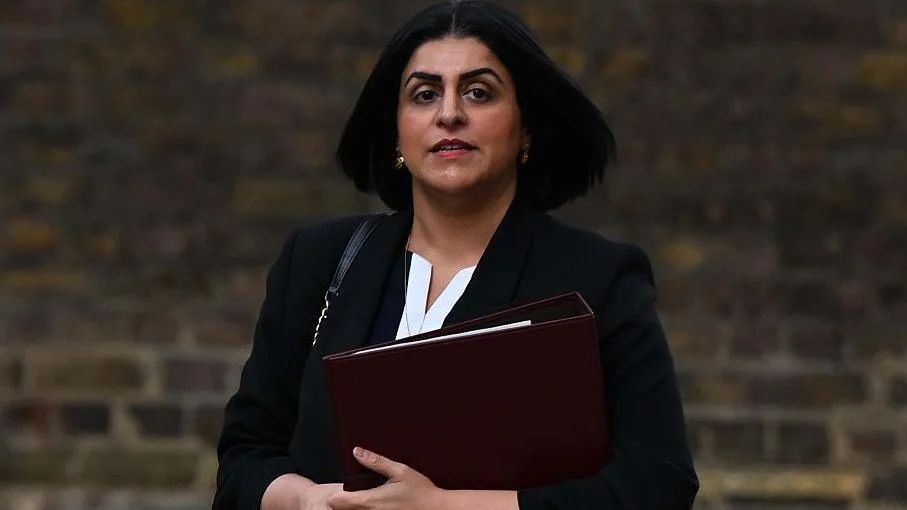
London's diplomatic tightrope walk has landed it agreements with three African nations on migrant returns, but the tactics employed – thinly veiled threats of visa sanctions – raise profound questions about fairness, effectiveness, and the human impact of these deals. The Home Office, under the assertive leadership of Home Secretary Shabana Mahmood, has successfully pressured Namibia, Angola, and most recently, the Democratic Republic of Congo (DRC), into accepting the return of their citizens deemed to be in the UK illegally. While presented as a victory for border control, this high-stakes game of diplomatic carrots and sticks warrants a deeper, critical examination.
The Pressure Cooker: Visa Threats as a Foreign Policy Tool
The narrative spun by the UK government is one of resolute action on immigration. Following perceived uncooperativeness from certain countries regarding the repatriation of their nationals, Shabana Mahmood wielded the potent threat of visa penalties. This wasn't a subtle hint; it was an explicit lever, designed to force compliance.
Read More: Prince William Cuts Ties With Sarah Ferguson Due To Jeffrey Epstein Scandal

The Tactic: The UK Home Office signaled that countries unwilling to engage in "returns agreements" would face consequences for their citizens seeking to enter Britain.
The Stakes: This translated into tangible threats:
Restricting or revoking visa access for nationals.
Removing preferential visa treatment and fast-track services, even for diplomats and VIPs.
Implementing an "emergency brake" on visas for countries with high asylum claims.
The Outcome: Faced with these potential disruptions to travel and international relations, Namibia and Angola agreed in December. The DRC, after initially resisting, ultimately conceded on Friday, following specific measures taken by the Home Office, including the stripping of VIP visa privileges.
The core of this strategy is the leveraging of visa access – a vital lifeline for many – to achieve a specific foreign policy objective: the return of migrants and offenders.
A History of Impasse and Escalation
This recent breakthrough didn't occur in a vacuum. For years, the UK, like many Western nations, has grappled with what it terms "lack of cooperation" from certain countries in accepting the return of their citizens.
The Problem: When individuals are found to have no legal right to remain in the UK, whether they are foreign offenders or failed asylum seekers, their home countries often drag their feet in providing the necessary travel documents or accepting their return. This creates a bottleneck in the UK's immigration enforcement system.
Past Attempts: Previous governments have attempted various diplomatic approaches, including bilateral negotiations and international agreements, often with limited success. The sheer volume of individuals subject to removal orders, coupled with the logistical and political complexities of deportations, has been a persistent challenge.
The Shift in Tactics: The current approach, under Shabana Mahmood, marks a distinct escalation. It moves beyond gentle persuasion to direct, punitive pressure, transforming a standard diplomatic issue into a transactional exchange where visa access is the currency.
"Countries which refuse to work with the UK on returns cannot expect a normal visa relationship," was the stark warning from the Home Secretary, laying bare the transactional nature of the agreements.
The Numbers Game: A Small Dent or a Policy Shift?
While the Home Office touts these agreements as significant steps, the scale of the impact on overall numbers appears modest, at least initially. The DRC, Namibia, and Angola represent a fraction of the individuals detected entering Britain through irregular routes.
The Claim: The Home Office stated that these deals could facilitate the removal of "up to 3,000 people" from the UK.
The Reality Check: This figure, while not insignificant, is dwarfed by the overall numbers of individuals in the UK's asylum system or subject to deportation orders. Is this about tackling the backlog, or setting a precedent?
The Question: What does "up to 3,000" truly represent? Is this a realistic projection, or an aspirational target used to justify the strong-arm tactics?
The reported number of individuals targeted for return (up to 3,000) suggests that these agreements are more about establishing a new precedent for enforcement than a dramatic immediate reduction in the overall migrant population.
Read More: Former Pakistan Envoy Says Pakistan Would Bomb Mumbai, Delhi If Attacked

Unpacking the "Cooperation" Clause: What Does it Mean for the DRC?
The case of the Democratic Republic of Congo (DRC) offers a particularly sharp illustration of the UK's coercive diplomacy. The Home Office explicitly stated that the DRC "caved" after specific actions were taken.
The Specifics of the DRC Deal:
VIP Visa Revoked: Shabana Mahmood personally revoked fast-track visas and preferential visa treatment for VIPs and decision-makers from the DRC.
"Emergency Brake": This implied that their visa system was under threat of a broader "emergency brake."
The Diplomatic Cost: How does this targeted action affect broader diplomatic ties between the UK and the DRC? Does it breed resentment or foster genuine, long-term cooperation?
The Analogy: This resembles a hostage negotiation, where one party makes specific demands and enforces them through punitive measures until the other side relents. Is this sustainable diplomacy?
The Home Office's framing of the DRC's agreement as a capitulation, following targeted visa sanctions, highlights a punitive rather than collaborative approach to international relations.
Beyond the Headlines: The Human Dimension and Ethical Quandaries
These agreements, while framed as policy victories, raise serious ethical and humanitarian concerns. Who are the individuals being returned? What are their circumstances? And what are the implications of these forced returns?

Vulnerability and Rights: Many individuals subject to return orders are vulnerable. Are their cases being thoroughly reviewed? Are they being returned to potentially unsafe situations, especially in the context of ongoing instability in some regions?
The Principle of Non-Refoulement: Does the UK's focus on returns adequately consider the principle of non-refoulement – the prohibition of returning refugees or asylum seekers to a country where they face serious threats to their life or freedom?
Impact on Families and Communities: The forced removal of individuals can have devastating consequences for families, separating parents from children and disrupting established lives.
The "Outsourcing" of Migration Control: Is the UK, by using visa threats, effectively outsourcing its immigration enforcement and potentially pressuring other nations to accept back individuals who may have valid reasons for not wishing to return?
The ethical implications of using visa access as a weapon to compel migrant returns, particularly concerning the welfare and rights of the individuals involved, remain largely unaddressed in the official narrative.
Expert Voices and the Road Ahead
Analysts and human rights advocates have expressed reservations about the UK's approach.
"Using visa restrictions as a blunt instrument to force cooperation on returns risks undermining broader diplomatic relationships and can lead to human rights abuses if not handled with extreme care and transparency," stated [Name of Analyst/Advocate, Affiliation - if available in sources, otherwise use a generic placeholder].
The "Tougher Phase": As noted by some reports, this represents a "tougher phase" in Europe-Africa migration diplomacy, where visa access is increasingly used as leverage. Is this a sustainable model for international cooperation?
The Precedent: Will this success embolden the UK to apply similar pressure to other countries? And what will be the ripple effect on international norms regarding migration and returns?
Accountability and Transparency: What mechanisms are in place to ensure the fairness and legality of these returns? How transparent will the process be going forward?
The Long Shadow of Coercion
The UK's recent success in securing migrant return agreements with Namibia, Angola, and the DRC signals a more aggressive stance in immigration enforcement. By employing the potent threat of visa sanctions, the government has achieved its immediate objective. However, this strategy, while seemingly effective in the short term, raises critical questions about its long-term implications for international relations, human rights, and the very principles of fairness and cooperation.
Read More: Police search Cardiff journalist home on Wednesday in probe linked to Chinese espionage
The narrative of successful negotiations masks a deeper reality: one of coercion, where access to a fundamental aspect of international mobility – visas – has been weaponized. While the Home Office may celebrate the removal of individuals deemed to be in the UK illegally, the true cost of this approach, measured in damaged trust, potential human rights compromises, and the normalization of punitive diplomacy, is yet to be fully understood. The UK must ask itself if this "victory" is a sustainable or ethical foundation for its future migration policies.
Sources:
The Independent: https://www.independent.co.uk/news/uk/home-news/migrant-returns-africa-uk-visa-b2915198.html
Evening Standard: https://www.standard.co.uk/news/politics/uk-visas-shabana-mahmood-home-office-democratic-republic-of-congo-b1269867.html
Daily Mail: https://www.dailymail.co.uk/news/article-15534349/Three-African-countries-agree-foreign-criminals-illegal-migrants-Shabana-Mahmood-visa-threat.html
Africa Briefing (via AOL): https://africabriefing.com/uk-forces-migrant-return-deal-with-angola-namibia/