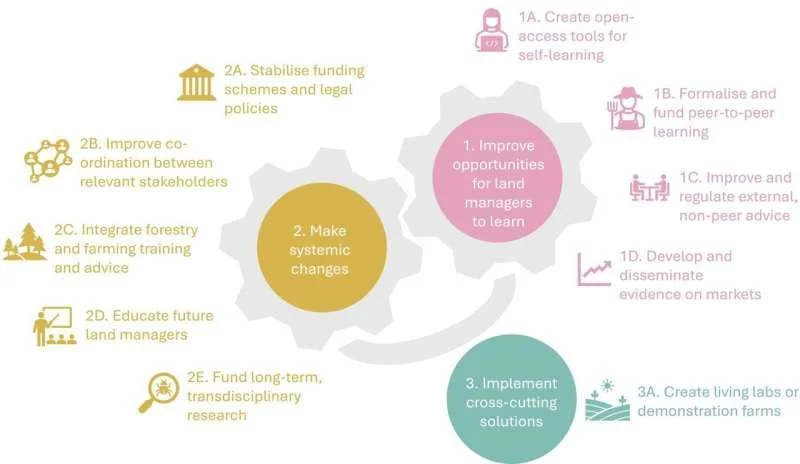
Recent research underscores a persistent disconnect between the recognized potential of integrating trees into farmland and its actual widespread adoption. Despite growing interest and government impetus for tree planting, critical knowledge gaps and a lack of accessible, practical examples appear to be significant hurdles. Farmers often lack the specific know-how to effectively implement and manage these mixed systems, known broadly as agroforestry. This deficiency in guidance is preventing a broader embrace of practices that could potentially enhance food production and offer environmental benefits.
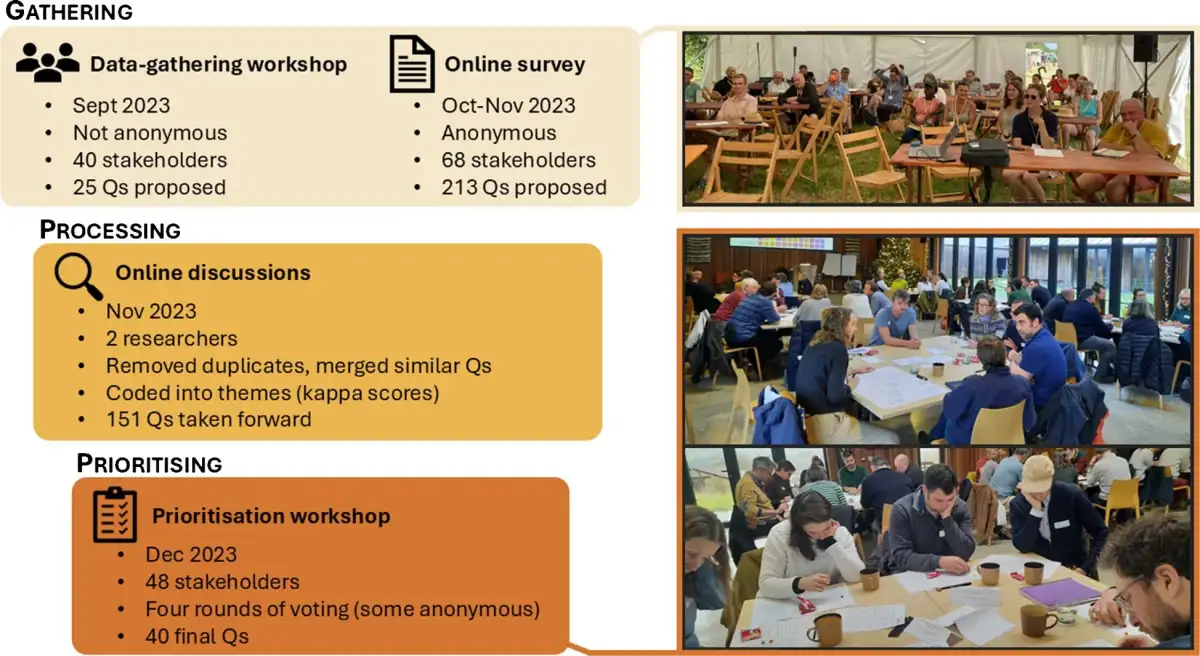
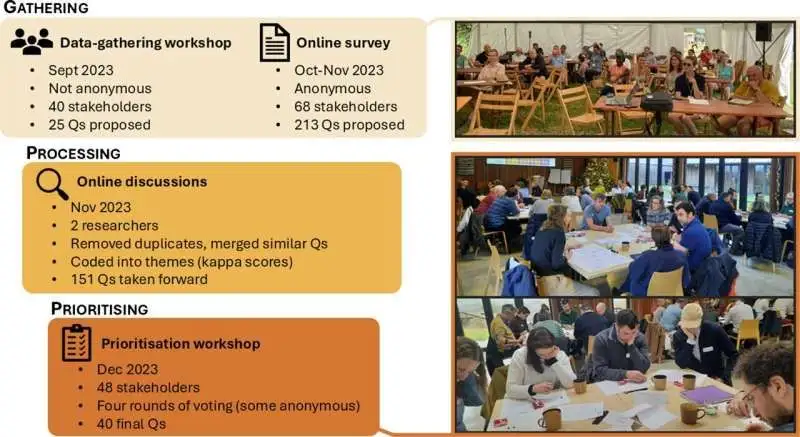
The University of Reading, through work involving 220 stakeholders, has pinpointed this lack of trusted advice and visible farm-level successes as a primary impediment to wider agroforestry use in the UK. While the UK government has allocated funding for tree planting, this financial push seems to be outrunning the availability of actionable knowledge for those on the ground. This research, published in Agronomy for Sustainable Development, suggests that understanding how to manage and implement these systems effectively remains a substantial area needing attention.
Read More: New Wheat Makes Bigger Starch for Food and Industry
Integrating Trees: A Multifaceted Approach
Agroforestry, a practice of blending trees with crops or livestock, is not entirely new, having roots in traditional farming methods. Beyond the potential for boosting domestic production of goods like fruit, timber, and biomass – items the UK currently imports significantly – these tree-inclusive systems are presented as a way to stabilize environments and secure future food supplies. Systems range from social forestry, focused on community needs, to syntropic farming, inspired by natural forest dynamics, and urban food forests designed to reduce heat and enhance biodiversity in cities.
The integration of trees into agricultural landscapes is championed for its multiple ecological and economic advantages. These include soil restoration, with tree roots acting to prevent erosion and improve water retention, and a general reduction in farming costs. Proponents suggest that trees on farms, particularly diverse, native species, offer greater benefits than monoculture plantations.
Read More: Amazon Land Use Changes Cause Disease Clusters in Brazil

Challenges and Perceived Solutions
A core argument is that trees offer a natural solution to the escalating challenges posed by the climate crisis for farmers. Reports indicate that farms incorporating trees exhibit increased resilience. However, the narrative around tree-based agriculture is described as evolving, with calls for governments to formally recognize these practices within broader agricultural frameworks.
Technological innovations are also seen as a means to revolutionize agroforestry, suggesting that the scalability of these practices could move beyond isolated farm initiatives. The broad concept encompasses various types of agroforestry systems, each with its unique configuration.
A Historical and Global Context
The discussion around incorporating trees into farmland is not confined to current research. Historically, scattered trees on farms were common, but a shift towards block plantations occurred in some regions, like India, leading to a decline in farm-tree diversity. There is noted potential for expanding tree planting on farms in south Asia and sub-Saharan Africa, with a particular emphasis on supporting small and marginal farmers to cultivate native trees sustainably. The notion of regenerative agriculture also prominently features tree planting as a foundational element for environmental renewal.
Read More: Karnataka requests higher Totapuri mango limit for farmers in April 2026