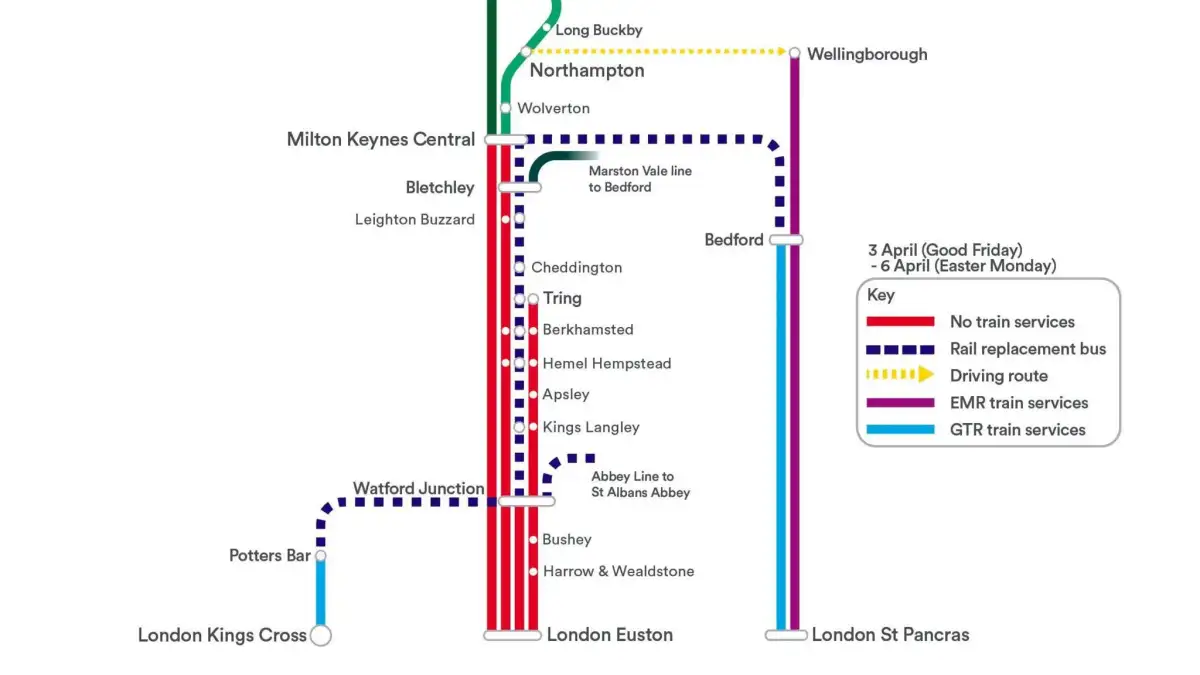
Major sections of Britain's rail network, most notably the West Coast Main Line, are experiencing a significant, multi-day shutdown over the Easter period, affecting millions of travellers and pushing others towards already congested roadways. Key arterial routes into and out of London, including London Euston, are completely closed from Good Friday, April 3rd, through Wednesday, April 8th, for extensive engineering and upgrade works. Similar disruptions are occurring on lines connecting Cambridge to Ely and Bury St Edmunds, impacting Great Northern and Thameslink services.

This orchestrated paralysis of key rail arteries is attributed to a concentrated effort to bundle a year's worth of necessary track, signalling, and power system enhancements into a single, extended period. The stated aim is to mitigate future, more frequent weekend closures, but the immediate consequence is a profound disruption for both leisure and business travel. Motoring organisations are already flagging a predicted surge in road traffic, particularly on motorways surrounding London such as the M1, M25, and M40, mirroring the corridors affected by the rail closures. Breakdown services anticipate a spike in call-outs, especially on outbound routes from the capital.
Read More: Elizabeth Line Helps Londoners During Tube Strike on July 6

London's Arteries Severed
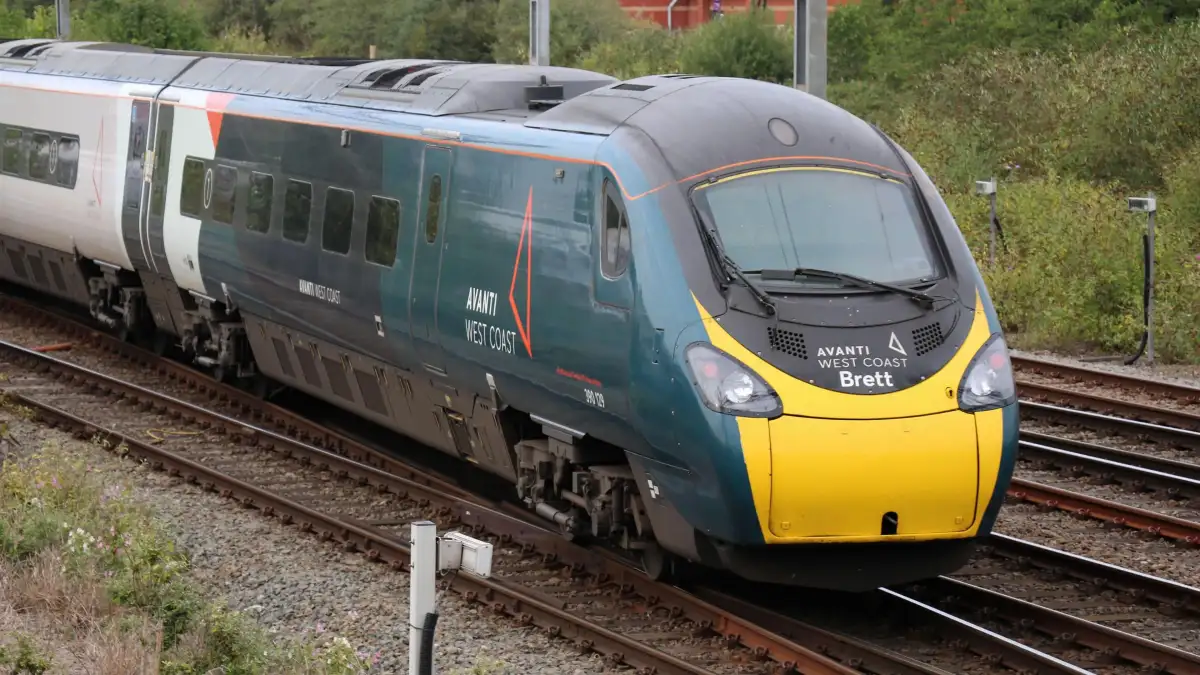
London Euston, a primary gateway for travel to the Midlands and North West, is entirely out of service for Avanti West Coast and London Northwestern Railway. This extends to significant parts of the London Underground, with the Hammersmith & City line closed entirely over the four-day weekend. Other Tube lines face partial closures or reduced services, including the Bakerloo, District, Northern, and Circle lines. The London Overground also sees considerable disruption, with no service on specific sections like the Mildmay line between Willesden Junction and Richmond on Easter Sunday, and significant limitations between Euston and Watford Junction on Saturday and Sunday. The Docklands Light Railway (DLR) is also affected, with closures between Bank/Tower Gateway and Poplar/West India Quay.
Wider Network Undergoing Overhaul
Beyond the capital, the West Coast Main Line between London Euston and Milton Keynes is completely shut down. While some services will operate between Preston and Carlisle via the Settle-Carlisle line, and alternative routes from London like Marylebone or St Pancras might offer some respite, the overall impact on long-distance rail travel is substantial. The engineering works are described as part of a multi-year investment programme aimed at boosting reliability and capacity on a crucial, mixed-use rail corridor. Meanwhile, areas like Cambridge and Cambridgeshire are facing their own set of closures, impacting services towards King's Lynn and Peterborough, with potential reliance on bus links for onward connections.
Read More: Pressure Washer Mistakes Cost UK Owners More Money
The Specter of Road Gridlock and Safety Warnings
With rail options severely curtailed, an increase in road travel is almost a given. Industry bulletins note that some domestic flight routes may see increased passenger numbers as people seek alternatives to the disrupted rail network. However, the primary alternative for many remains private vehicles, leading to expectations of significant congestion on major motorways. Amidst this impending road chaos, Network Rail has also issued a renewed safety appeal, urging young people to stay away from railway tracks. The appeal highlights the dangers of trespassing, particularly the risk of electrocution from live overhead power lines, often attributed to curiosity, peer pressure, or attempts to find shortcuts.