Key UK economic indicators are reflecting increased investor caution, with rising borrowing costs coinciding with growing questions about the leadership of Prime Minister Keir Starmer. This situation unfolds against a backdrop of broader global economic events, including notable market performance in Japan.

Political Ripples and Economic Impact
Recent reports indicate a rise in the UK's borrowing costs, a trend linked by some analysts to internal political pressures on Prime Minister Keir Starmer. The yield on UK government bonds, a measure of the cost to borrow money, has seen an upward movement. This occurs as certain figures within the Labour party express dissent, with the Scottish Labour leader reportedly calling for Starmer's resignation.

Calls for Leadership Change: Anas Sarwar, the leader of Scottish Labour, is reported to be publicly urging Keir Starmer to step down.
Ministerial Support: In response, deputy prime minister David Lammy and housing minister Steve Reed have publicly backed Starmer, emphasizing his mandate received 18 months prior.
Market Concerns: There are expressed concerns that a shift towards more left-leaning policies, particularly under a different leadership, could negatively impact the pound and British assets.
This internal party pressure adds to existing challenges Starmer faces, including previous policy shifts, ongoing economic sluggishness, and a decline in opinion poll ratings. The threshold for triggering a Labour leadership contest is 81 Members of Parliament.
Read More: Labour Now Says Brexit Hurts UK Economy

Starmer's Leadership Under Scrutiny
The pressure on Prime Minister Keir Starmer appears to be multifaceted. One significant issue involves his administration's handling of a scandal concerning former UK ambassador to the US, Peter Mandelson, and his past connections to financier Jeffrey Epstein. This has brought renewed scrutiny to Starmer's decisions, including his removal of the ambassador in September.
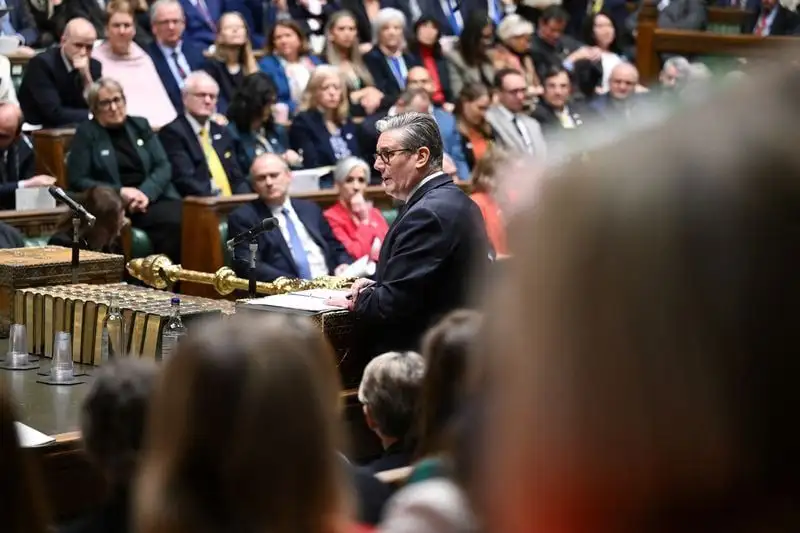
Scandal Fallout: The Epstein links have re-ignited debate and scrutiny regarding Starmer's past actions and decisions.
Internal Opposition: Reports suggest that some Labour MPs had been planning to defer any leadership challenges until after a local by-election on February 1st, a date that has now passed.
Global Economic Contrasts
While the UK faces internal economic and political pressures, other global markets are showing different trends. The Nikkei, Japan's benchmark stock index, has reached a record high. This surge follows the election victory of Sanae Takaichi, a conservative politician, leading to a strengthening of the Japanese Yen.
| Event | Impact ||—-|—-|| UK Bond Yields Rise | Indicates increased cost of borrowing for the UK government; potential investor concern. || Scottish Labour Leader's Call for Resignation | Signals internal party division and pressure on Starmer. || Japan's Nikkei Reaches Record High | Suggests positive market sentiment and investor confidence in Japan. || Yen Strengthens | Often associated with increased global risk appetite or specific economic policies. |
Read More: Andrew sublet Royal Lodge cottages for years, NAO report says
Economic Indicators and Policy Implications
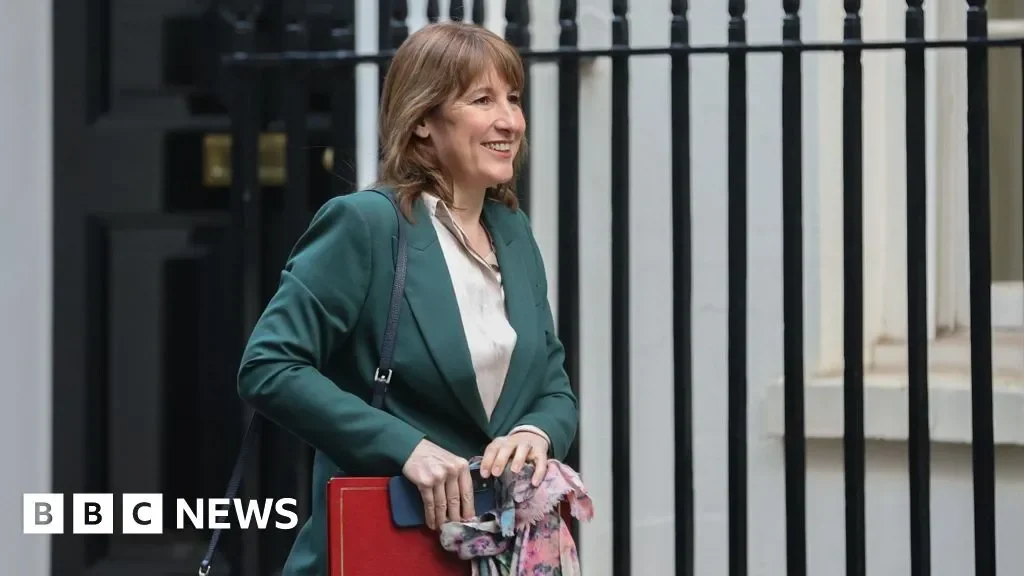
The rise in UK borrowing costs is a significant indicator, suggesting that investors are demanding higher returns for lending money to the UK government. This is particularly notable as reports suggest the UK's borrowing costs have risen more sharply than those of other Group of Seven (G7) nations. This situation places pressure on Treasury officials, including Rachel Reeves, responsible for the UK economy.
The interplay between political stability and economic performance is a central theme, with external market actors seemingly reacting to perceived risks and opportunities presented by both UK domestic politics and broader global economic shifts.
Evidence of Market Reaction
Pound and Gilts Fall: Reports explicitly link the fall in the value of the British pound and government bonds (gilts) to growing doubts about Keir Starmer's leadership and potential instability.
Borrowing Costs: Multiple sources confirm that UK borrowing costs are edging higher, a direct consequence of increased uncertainty.
Expert Commentary (Attributed)
"The risk of a leftist turn in the government, particularly under an Angela Rayner led Labour Party, presents downside risks to the pound and British assets generally.” — Source attribution unclear in provided text, but reflects a sentiment within market commentary.
Conclusion
The available data points to a period of elevated concern within the UK economy, primarily reflected in rising government borrowing costs. This trend appears to be closely correlated with internal political pressures on Prime Minister Keir Starmer, stemming from both leadership challenges within his party and fallout from specific scandals. While the UK navigates these domestic issues, global economic events, such as Japan's Nikkei reaching record highs, offer a contrasting picture of market performance. The continued scrutiny of Starmer's leadership, coupled with the observable economic signals, suggests a delicate balance that investors and policymakers are closely monitoring.
Read More: Andy Burnham Labour Leader Fears Cause UK Markets To Drop
Sources
The Guardian: "UK borrowing costs rise as pressure grows on Starmer; Japan’s Nikkei hits record high after Takaichi’s election win – business live"
Published: 8 hours ago
Link: https://www.theguardian.com/business/live/2026/feb/09/japan-election-nikkei-record-high-yen-strengthens-takaichi-election-win-keir-starmer-pound-bonds-news-updates
CNBC: "Pressure mounts on UK Prime Minister Keir Starmer as he 'fights for his political life'"
Published: 4 days ago
Link: https://www.cnbc.com/2026/02/05/uk-borrowing-costs-gilts-keir-starmer-peter-mandelson-epstein.html?msockid=0e2a4cd5c03a643d137c5a2ec11d659c
Financial Times: "Pound and gilts fall as leadership crisis threatens Keir Starmer"
Published: 6 hours ago
Link: https://www.ft.com/content/32614126-b836-4719-a681-acb4718e4928
Global Banking and Finance Review: "UK Borrowing Costs Rise Amid Starmer Leadership Concerns"
Published: 4 days ago
Link: https://www.globalbankingandfinance.com/uk-borrowing-costs-rise-concerns-about-starmers-future-mount/
This is Money: "Borrowing costs edge higher as doubts over Starmer's future grow"
Published: 4 days ago
Link: https://www.thisismoney.co.uk/money/markets/article-15530713/Borrowing-costs-edge-higher-doubts-Starmers-future-grow.html