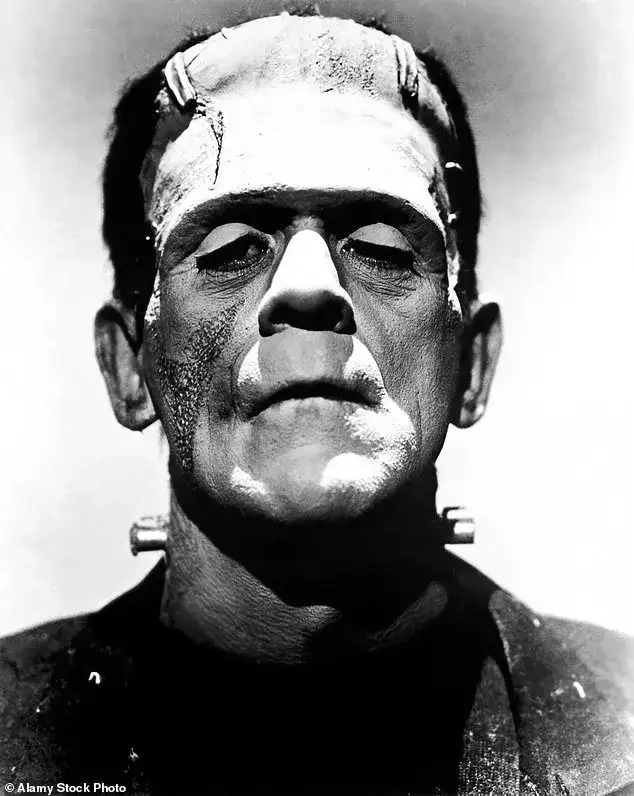
Director Jane Schoenbrun has publicly declared Mary Shelley's enduring novel, Frankenstein, to be "super transphobic and problematic." Schoenbrun, an American filmmaker who identifies as non-binary, bases this assertion on the novel's central theme of a "constructed body," drawing parallels to depictions of monstrous figures in older horror films.
"This image of the trans monster kept coming up, whether that be Norman Bates or Buffalo Bill or Frankenstein as a constructed body, and there was this lineage of trans people having really complicated feelings about those movies."
— Jane Schoenbrun
Schoenbrun articulated these views in an interview with The Hollywood Reporter, promoting their latest film, Teenage Sex and Death at Camp Miasma. The director observed a recurring trope in horror cinema where monstrous characters, including Frankenstein's Monster, are presented in ways that resonate with, yet also complicate, the experiences of transgender individuals. Schoenbrun elaborated that while these portrayals might offer a sense of familiarity, they are simultaneously "super f*ing transphobic and problematic." This perspective echoes sentiments expressed by actor Ted Levine regarding his role as Buffalo Bill in Silence of the Lambs, where he later voiced regret over the character's portrayal.
The director's comments have surfaced in the wake of their new film's reception, which, despite a reported nine-minute standing ovation at the Cannes Film Festival, faced rejections from major Hollywood studios and distributors. Schoenbrun's cinematic work reportedly attempts to "rework what the filmmaker regards as a problematic horror tradition."
Read More: Wuthering Heights Director Regrets Cutting Margot Robbie's Unshaven Armpit Scene
Contextualizing the Critique
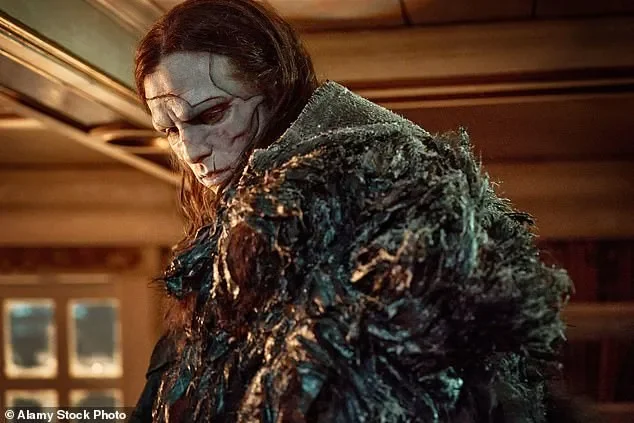
The discussion around Frankenstein's perceived transphobia hinges on its narrative of Victor Frankenstein assembling a sentient being from disparate body parts. Schoenbrun interprets this act of creation and the resulting "constructed body" as inherently problematic within a framework sensitive to contemporary understandings of gender identity and bodily autonomy. The critique suggests that the novel, written over two centuries ago, inadvertently established a narrative precedent that can be interpreted as hostile or dismissive towards individuals whose identities challenge traditional notions of the body and its formation.

The idea of a "trans monster" emerging from Frankenstein's lore is explored by Schoenbrun as a manifestation within a lineage of horror films. This lineage, they claim, includes characters like Norman Bates and Buffalo Bill, whose representations have prompted complex emotional responses within the transgender community. While these figures might evoke a sense of recognition, Schoenbrun argues, their existence within the horror canon is also deeply embedded with transphobic undertones. This retrospective analysis invites a re-examination of classic narratives through the lens of evolving social and identity politics.
Read More: Tamil Cinema Loses K. Bhagyaraj and Bharathiraja, Ending An Era