President Donald Trump concluded a three-day summit in Beijing this week, characterized by intense personal flattery and limited tangible policy commitments. While the administration frames the trip as a stabilization of bilateral ties, substantive agreements remain elusive or unconfirmed.

Core Signal: The summit yielded no major trade accords or concrete pacts regarding Iran, raising questions about whether the visit solidified a strategic shift or merely reinforced existing geopolitical postures.

Status of Bilateral Negotiations
The delegation, which included industry leaders such as Boeing CEO Kelly Ortberg and Nvidia CEO Jensen Huang, sought to leverage personal rapport to address lingering friction. Outcomes remain asymmetrical:

Trade and Industry: Trump announced a potential order of 200 jets, though follow-up communications have been equivocal. Similarly, reports of Chinese commitments to purchase U.S. oil lack official confirmation from Beijing.
The Iran Question: Trump indicated on Air Force One that Xi Jinping offered private assistance regarding ongoing negotiations with Iran. However, the president declined to specify the nature of this help, labeling the latest Iranian peace offer "unacceptable."
Strategic Silence: Notably, Trump refrained from public remarks on Taiwan throughout the visit, a departure from standard diplomatic messaging that leaves the status of the island in a state of carefully curated ambiguity.
| Metric | Outcome |
|---|---|
| Trade Agreements | Pending/Unconfirmed |
| Iran Negotiations | Private assurances, public silence |
| Taiwan Policy | Not addressed publicly |
| Bilateral Tone | High flattery, personal rapport |
Rhetoric vs. Reality
Throughout the summit, Trump maintained a posture of overt admiration toward Xi, contrasting sharply with the Chinese leadership’s more reserved, business-like demeanor. The trip was structured as a reciprocal gesture following Xi’s previous visit to Mar-a-Lago.
Read More: Senator Bill Cassidy loses Louisiana primary on 16 May 2026
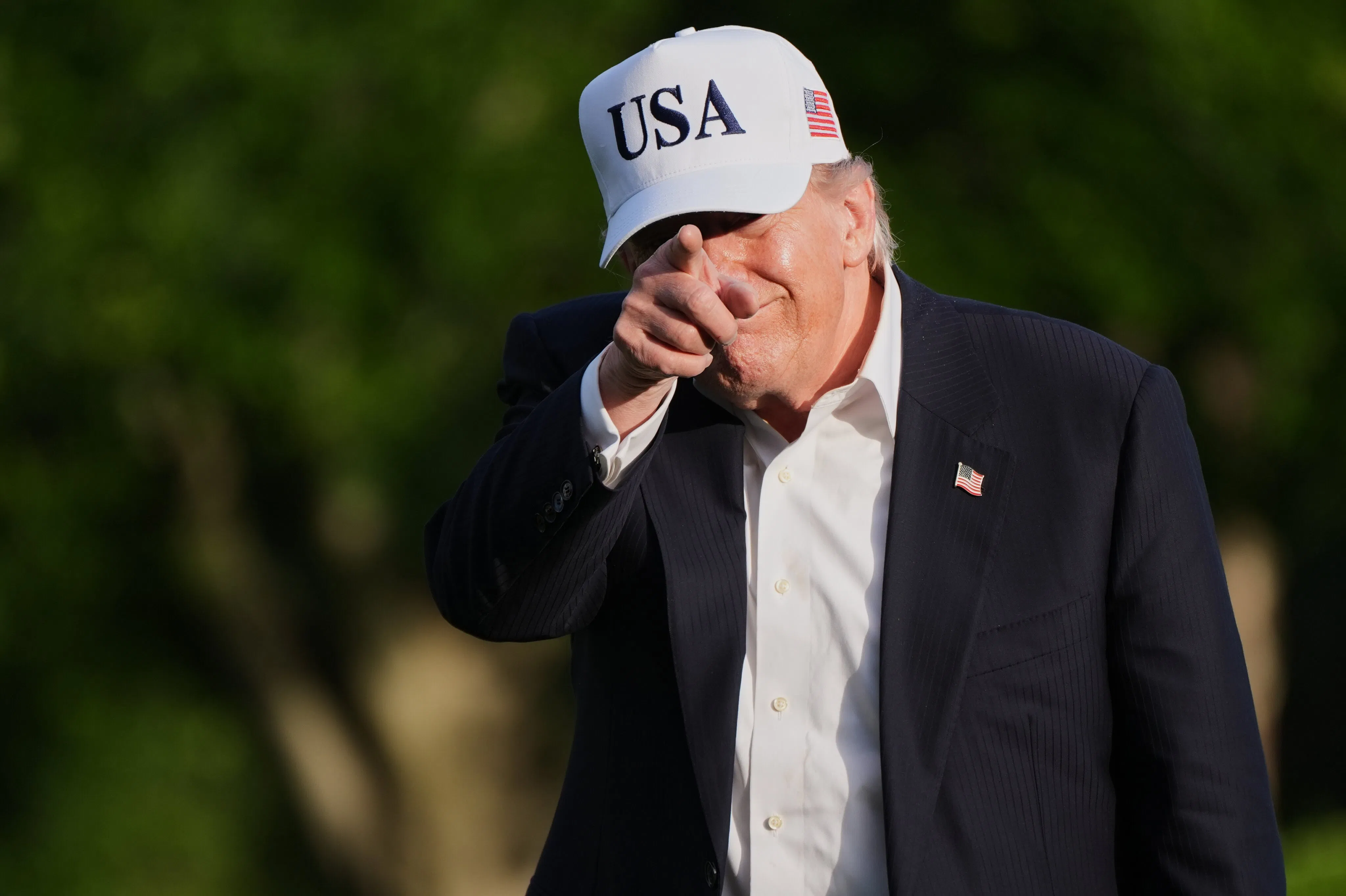
"Our country is respected. He’s all business, and I like that." — Donald Trump
Observers note that while the summit may have established a "fragile trade truce," the lack of hard deliverables puts the onus on future meetings, including a potential return visit by Xi to the United States this September.
Background and Context
The meeting occurs nearly a decade after Trump's previous visit, highlighting the significant growth in Chinese power and global influence during the interim. As of May 18, 2026, the administration faces domestic pressure to translate these diplomatic gestures into measurable policy results, particularly regarding the escalating Iran crisis and U.S.-China relations. The visit concludes with the U.S. administration holding to a narrative of stability, while critics point to the absence of verifiable deliverables.