US President's statements place Pakistan at the center of de-escalation efforts.
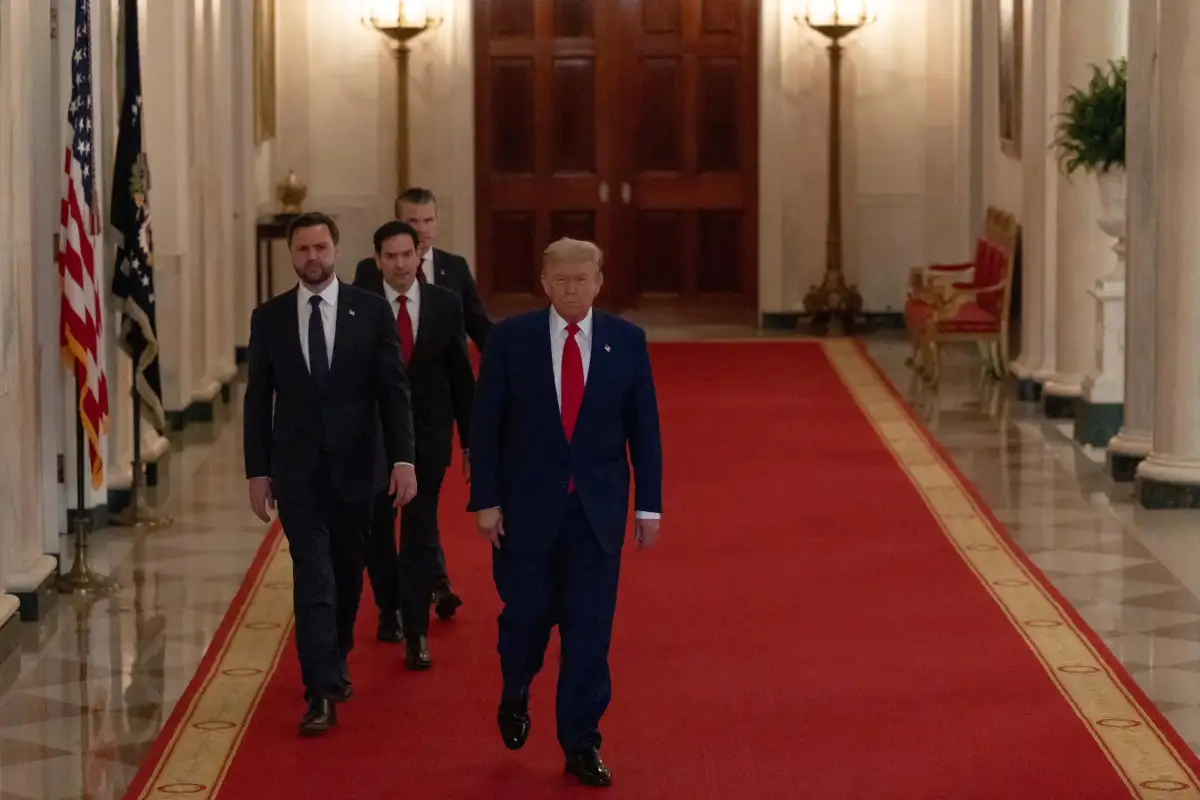
Donald Trump recently declared that an Iranian attack was stopped due to a request from Pakistan. This claim, made on May 8, 2026, suggests a significant, albeit publicly unconfirmed, role for Islamabad in mediating between the US and Iran. Trump stated that the US suspended military action, referred to as 'Project Freedom', which aimed to reopen the Strait of Hormuz, following Pakistan's plea during ongoing negotiations.

The core assertion is that Pakistan intervened directly, requesting the US to halt military engagement with Iran while talks were in progress.
Ceasefire Extension and Pakistan's Role
The assertion follows earlier announcements concerning a ceasefire with Iran. On April 21, 2026, Trump announced an indefinite extension of a ceasefire with Iran, explicitly stating it was done "at the request of Pakistan." Pakistan has been positioned as a mediator in these discussions. This move reportedly bought time for both nations to pursue a nuclear deal and end the protracted conflict, which reportedly began in February [2026].
Read More: Louisiana Senator Cassidy Fails Reelection After Trump Vote

Shifting Stance and "Get Moving, FAST" Warnings
Despite the conciliatory tone surrounding the ceasefire extension, Trump has also issued stark warnings. On May 7, 2026 (one day prior to the current date), he urged Iran to "get moving, FAST" on a peace deal, threatening annihilation if they did not comply. This sentiment echoes earlier remarks where Trump described the ceasefire as "unbelievably weak" after finding an Iranian peace proposal unsatisfactory. The US has also imposed a counter-blockade on Iranian ports.

Background of US-Iran Confrontation
The broader context involves a period of heightened tensions and military actions. In June 2025, reports indicated US direct intervention, with strikes ordered against Iranian nuclear sites, including Fordo, Natanz, and Isfahan. These actions were framed by some as seeking a change in Iranian regime, a concept Trump alluded to as "politically incorrect" but potentially necessary if the current regime couldn't "Make Iran Great Again." The international community, including France, expressed concern over these US strikes, urging a return to diplomacy and adherence to international humanitarian law.
Read More: India and Netherlands agree to work more closely together
The conflict has seen Iran maintain a significant influence over the Strait of Hormuz, a critical global energy and cargo route. The US military has engaged in operations in the Persian Gulf, and US aircraft carriers have been deployed. Discussions surrounding the Strait of Hormuz have been described as a "stalemate."
The narrative around the US-Iran conflict has been marked by shifting declarations from Trump, oscillating between aggressive posturing and de-escalation. International bodies and other nations have watched these developments with considerable apprehension.