


Following U.S. and Israeli missile strikes within Iran, President Donald Trump has articulated a desire for regime change in Tehran. This aspiration, however, runs contrary to a complex historical record wherein U.S.-backed regime change efforts have yielded mixed and often protracted outcomes.

Washington's engagement with the concept of altering foreign governments is not new, with instances such as Nicaragua in the 1980s, Iraq and Afghanistan post-9/11, and Venezuela recently serving as prominent, albeit varied, examples. Trump himself has frequently invoked the idea of regime change.

The viability of such an endeavor in Iran, given its internal dynamics, remains a subject of significant doubt. Reports indicate a strained Iranian economy and persistent internal dissent, even after a harsh suppression of protests that resulted in widespread arrests.

Congressional Scrutiny Emerges
The timing of the strikes and Trump's subsequent remarks have drawn attention from Capitol Hill. House and Senate debates concerning U.S. military action in Iran are scheduled, with top Democrats and a segment of Republicans reportedly expressing alarm over the President's call for the overthrow of a foreign government without explicit congressional authorization. This has spurred discussions regarding congressional war powers.
Read More: DHS $220 Million Ad Contract Under Fire For Kristi Noem Ties
Ambiguous Signals on Negotiations
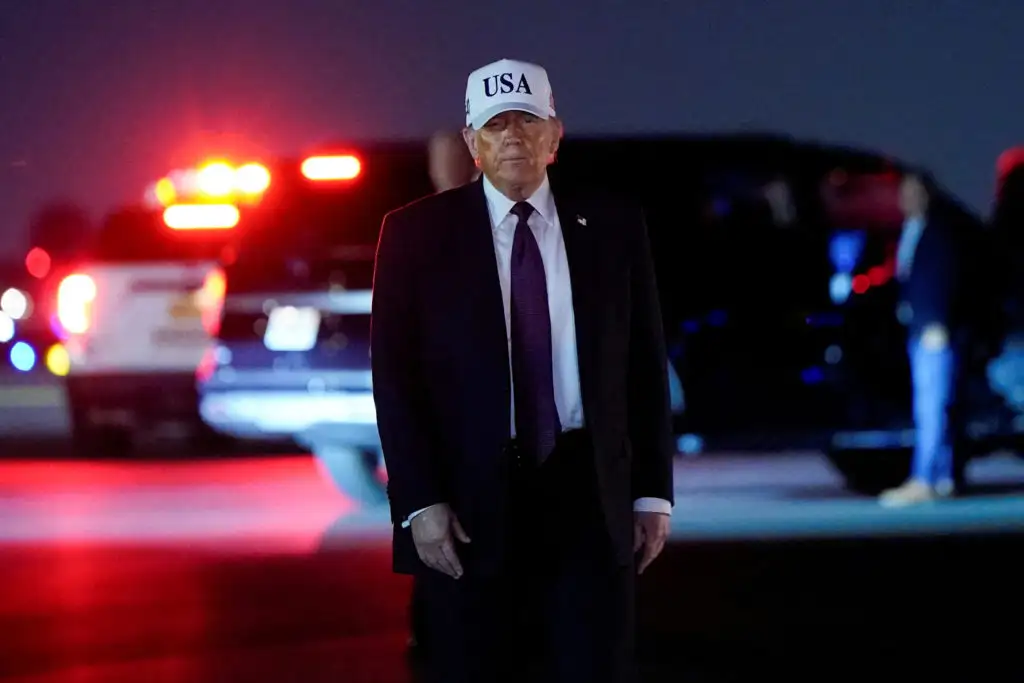
Amidst the talk of strikes and potential regime change, there are also indications of openness to dialogue. Trump has stated, "I have agreed to talk," and noted the sentiment among some populations and in diaspora communities, suggesting a more nuanced approach might be on the table, or at least being publicly considered. He also remarked on the long duration of the current Iranian leadership's actions, implying a shift in power dynamics. "They’ve killed people for 47 years, and now it’s reversed on them," Trump stated, suggesting a vindication for the strikes. He also expressed a nuanced view on potential successors, noting his primary concern would be the emergence of a leader "as bad as the previous person."
Internal Iranian Structure
The internal power structure within Iran presents a formidable obstacle to rapid political transformation. Reports suggest inherent structural strength in the current authorities, with speculation that the Ayatollah's son is being positioned for succession, indicating a potential plan for continuity rather than immediate upheaval.
Read More: Iran Apologizes for Neighbor Attacks, Maya Collapse Teaches Water Lessons
Broader Geopolitical Context
The strikes and subsequent rhetoric also unfold against a backdrop of Iran's developing capabilities and alliances. Iran possesses a nascent space program and has engaged in collaborations with Russia on space launches. Furthermore, key allies of Iran, including Russia, China, and North Korea, possess intercontinental ballistic missiles, framing the regional security landscape in a complex manner.