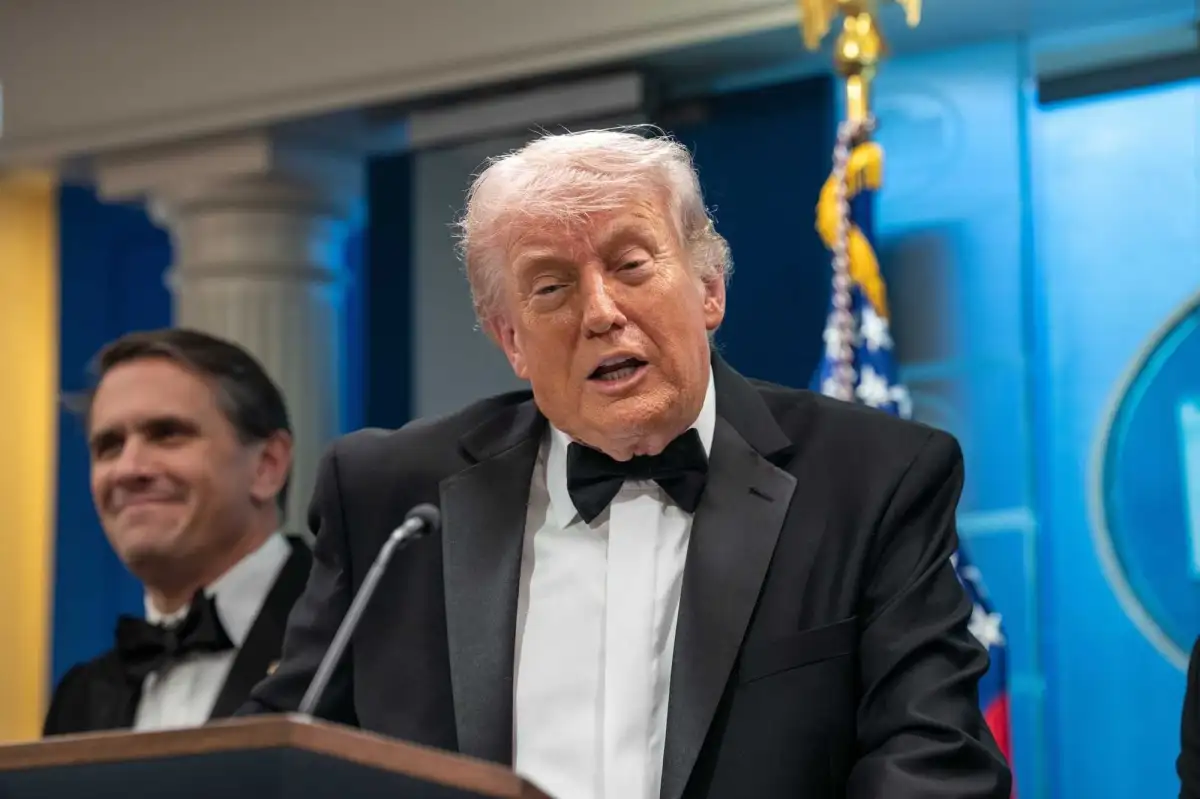
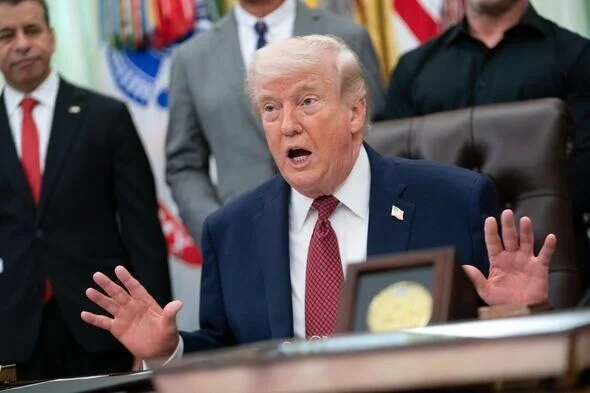
Donald Trump experienced a rapid shift in public address following a shooting incident near the White House Correspondents' Dinner. Initially, the former president spoke of unity and solidarity with the press corps, only to pivot to sharp criticism and accusations within a 24-hour period.
The former president, who had spoken of finding "love in the room" amidst the aftermath of the event, later engaged in a confrontational interview, blaming political opponents and targeting specific media figures and outlets. This sudden divergence underscores a pattern of fluctuating public statements.
A Day of Contrasts
Reports indicate that following the shooting, Trump instructed aides to draft a "speech of love" intended to foster a sense of togetherness. He reportedly observed a room exhibiting "total unification" in the wake of the security scare. However, this conciliatory tone dissolved swiftly.
Read More: Google Founder Sergey Brin Shifts Politics to Support Trump Administration
Later, during an interview, Trump’s focus shifted dramatically. He reportedly stated, "Your friends on the other side of the plate are the ones that were involved with, little's say, Epstein or other things," directly addressing the interviewer and pivoting to alleged connections of political adversaries. He also voiced demands for the White House Correspondents' Association to reschedule the dinner, implying a strategic motive for his initial attendance.
Media Scrutiny and Canceled Jokes
The turnaround also involved renewed criticism of Jimmy Kimmel, the late-night host. Trump, alongside his wife Melania Trump, called for ABC to fire Kimmel over a joke made days before the incident. The joke reportedly touched upon the First Lady in a manner described as morbid or akin to an "expectant widow." Kimmel himself had delivered an "alternative" speech for the event, which reportedly included jabs at Trump, his associates, and the Epstein files.
Read More: Trump suggests renaming ICE to NICE amid deportation push
Underlying Pressures
This rapid rhetorical pivot comes at a time when Trump is described as facing significant pressure. One analysis suggests a pattern of increasing vindictiveness, framed as a necessary survival tactic. The former president has reportedly articulated intentions to "destroy more of his enemies." This heightened state of pressure is seen as potentially influencing his responses and public pronouncements.
Background: The White House Correspondents' Dinner, an annual event attended by the President and members of the White House press corps, has historically served as a venue for both lighthearted roasting and more serious discourse. Recent years have seen increased political tension surrounding the event. The shooting incident occurred near the White House, prompting security responses and a temporary halt to proceedings. This context highlights the charged atmosphere in which Trump's statements were made.
Read More: King Charles US visit: Tensions rise over trade and security