A GALA SHATTERED
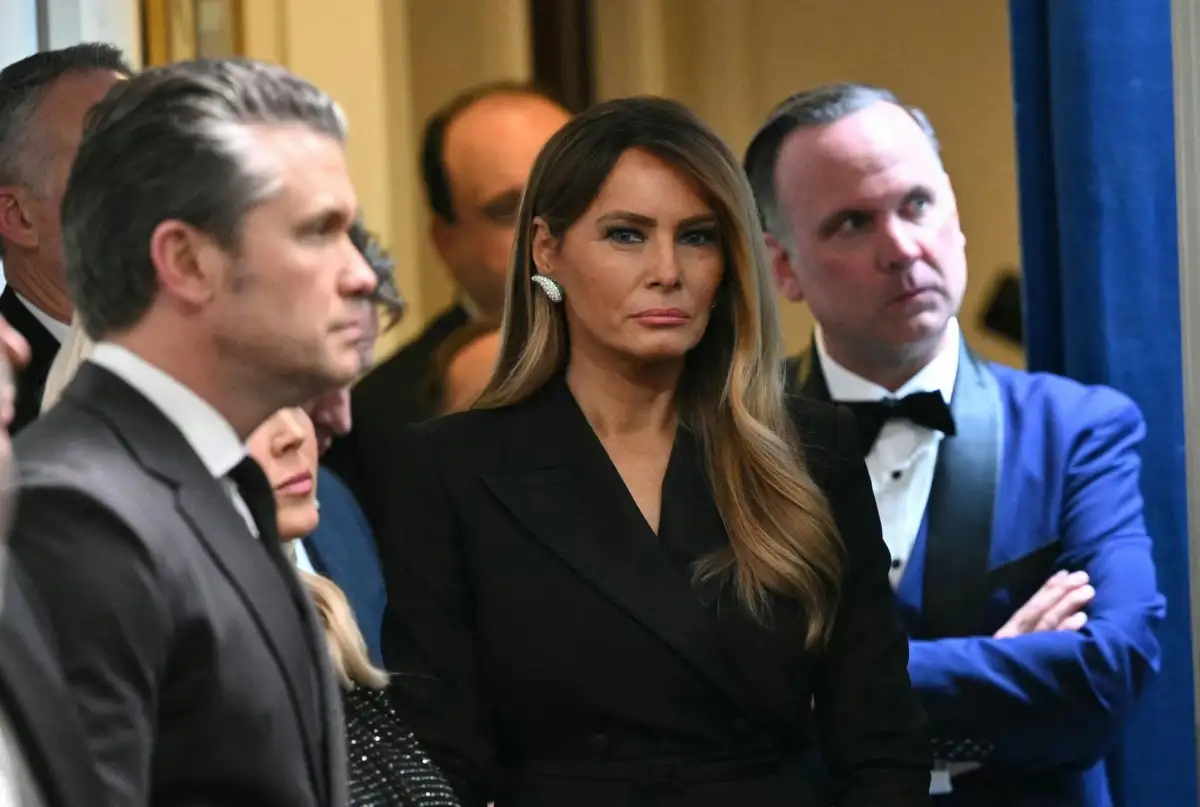
The White House Correspondents' Dinner, an event usually marked by political theater and sometimes barbed humor, devolved into chaos on Saturday night when gunfire erupted outside the ballroom where President Trump was in attendance.
The sudden eruption of violence, described by some as five to eight gunshots, punctuated an evening that had already been steeped in conversations about the press's role and freedom. President Trump himself, who had previously boycotted the event during his tenure, was present.
Initial reports suggest the shooter acted alone, but the target and motive remain unclear. Police are seeking information from the public. The incident has cast a pall over the traditionally celebratory gathering, turning a planned evening of presidential remarks into a scene of confusion and fear.
THE ECHO OF FAMILIAR FEAR
"When you can’t even go to a public event without wondering if someone is going to try to hurt you, it changes how you see the world—and how you do your job."
For many journalists and public figures present, the gunfire was not an entirely alien experience. The report highlights that the trauma of political violence is a persistent undercurrent in Washington's elite circles. This recurring threat has led to increased security measures, including armed details for public figures and investments in threat assessment teams by news organizations. The constant proximity to danger forces a reevaluation of the risks inherent in their work.
Read More: Melania Trump Asks ABC To Act On Kimmel's 'Hateful' Joke
The psychological toll of such violence extends beyond immediate physical danger, leaving deeper, lingering scars. This creates an environment where individuals question whether their professional endeavors are worth the associated risks.
SCENES FROM THE BALLROOM
The incident unfolded during dinner, interrupting the proceedings abruptly. While some mistook the initial sounds for falling trays, others quickly recognized them as gunshots. Security protocols were initiated, and President Trump was reportedly evacuated from the venue.
Despite the apparent danger, some individuals, like cameraman Mohaimen Aljasheme, continued to document the events. His actions, particularly given his prior experience covering conflict zones such as the Iraq War, underscore a practiced ability to function amidst peril.
Confusion and panic rippled through the ballroom as attendees sought safety. Accounts describe guests checking on one another, with security providing what instructions they could.
Read More: Republicans Blame Democrats' Words After WHCD Shooting in Washington
HISTORICAL UNDERPINNINGS
The White House Correspondents' Dinner, a fixture in Washington D.C. society, is characterized by its sometimes awkward fusion of media, politics, and entertainment. President Trump's attendance marked his first as president, adding a layer of anticipated tension to the event, given his often strained relationship with the press.
Earlier attempts on President Trump's life, noted in separate incidents in Pennsylvania and Florida, serve as a backdrop to this latest eruption of violence. These past events, alongside the general increase in political violence, frame the context in which Saturday's shooting occurred. Calls for a renewed focus on addressing this broader issue have emerged from lawmakers and advocacy groups in the aftermath.