PRESIDENT THREATENS JOURNALIST OVER IRAN AIRMAN STORY
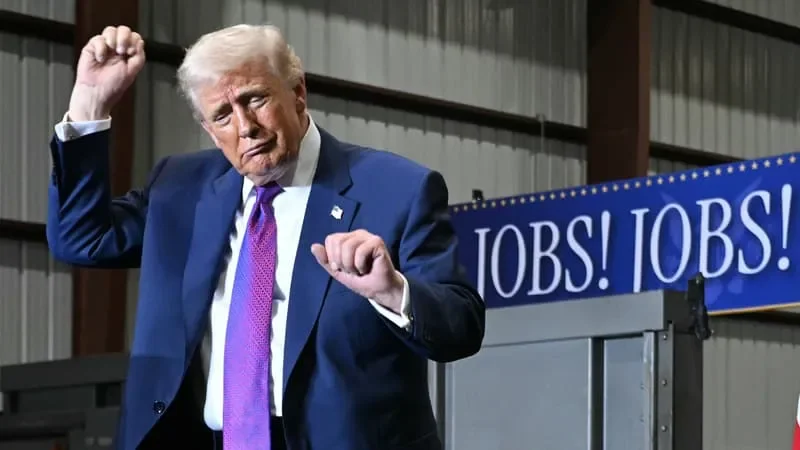
Donald Trump, in recent days, has issued stark warnings—even threats of jail time—against a journalist who reported on the rescue of a U.S. airman from Iran. The president stated that this disclosure put the military in a difficult position, and specifically that Iran issued a bounty after the story broke. This narrative, reported about two weeks ago, details Trump's fury over information about the F-15 pilot’s rescue. The core of Trump's contention appears to be that the revelation of the missing airman's predicament was not known to Iranian forces until the media reported it, thereby complicating the operation and potentially endangering the individual. He has vowed to "find" and jail the individual responsible for the leak.
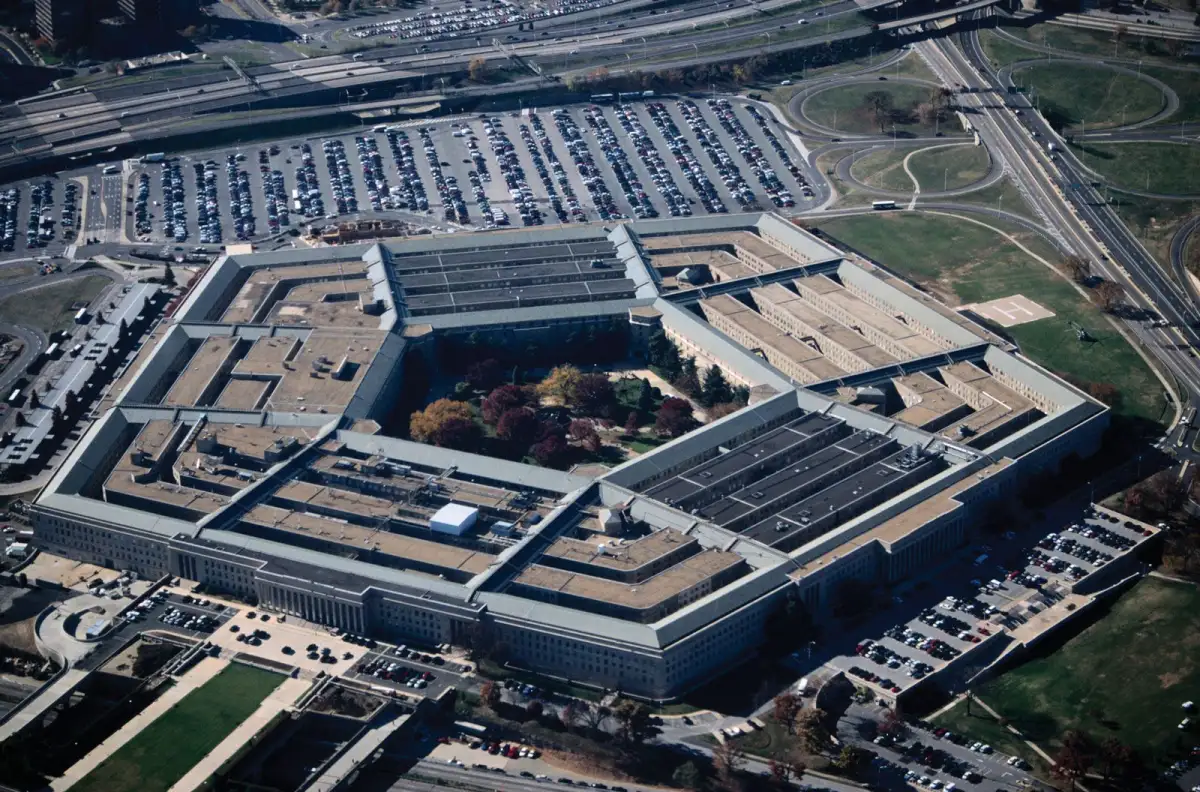
The incident revolves around the reported downing of an F-15 aircraft in Iran and the subsequent large-scale rescue mission. Trump claimed that Iran had no prior knowledge of a missing U.S. service member until the story became public. This alleged premature revelation, according to Trump, transformed the situation into a more perilous one, with Iran subsequently announcing a reward for the pilot's capture. The pilot and weapons systems officer were reported to be injured but recovering. Trump made these statements around the time of the White House Easter Egg Roll, a period also marked by his significant frustration over anonymously sourced stories concerning his administration.
Read More: Opposition Parties Support 'Cockroach' Youth Movement, Congress Silent
BROADER FEARS OF A LEAKS CRACKDOWN
This recent episode is not an isolated event. Trump's administration has a documented history of intense scrutiny and a determined effort to curb the flow of sensitive information. Reports from July 2017, and subsequent analyses, detail a palpable fear within the national security apparatus regarding the administration’s aggressive stance on leaks. Officials expressed concerns about increased restrictions on access to classified information, signaling a proactive, if stealthy, operation to identify leakers.
Read More: US Warns of Increased Israeli Spying Threat
This environment of heightened suspicion and potential retribution has fostered an atmosphere where journalists and government employees alike operate under a cloud of apprehension. The administration's strategy has involved amplifying leak investigations, with prior reports indicating a significant increase compared to previous administrations. The pressure on sources and the media has consequently intensified, with journalists noting the increased difficulty in performing their roles without the assistance of those willing to speak out.
THE DANGERS OF DATA EXPOSURE
Beyond military operations, the leak of sensitive government data has also been highlighted as a serious concern, with direct implications for individuals and ongoing programs. A leak in March 2025 involving a spreadsheet of State Department grants and another concerning USAID underscored the potential for endangerment, particularly for international groups and aid workers operating in repressive regions. Organizations that had entrusted the U.S. government with sensitive information, in some cases with assurances of privacy, found themselves scrambling to protect their staff and operations after the data became public. This breach highlighted the precariousness of sensitive information, especially when held by governmental bodies susceptible to data exposure, impacting trust and the safety of those involved in international cooperation.
Read More: Gwyneth Paltrow Says She Is Not Republican After Husband's Mistake
BACKGROUND: A PRESIDENTIAL WAR ON INFORMATION
President Donald Trump's tenure has been marked by a sustained and public war against what he deems "fake news" and a relentless pursuit of those leaking information from within his administration. This campaign has extended beyond verbal condemnation to concrete actions aimed at identifying and penalizing leakers.
HISTORICAL CONTEXT OF LEAK INVESTIGATIONS
The Trump administration's approach to leak investigations represents a significant escalation of existing practices. Reports from August 2017 indicated that Attorney General Jeff Sessions announced a tripling of leak investigations compared to the Obama administration. This aggressive posture is framed within a larger context, as the Obama administration itself had already increased such investigations, continuing a trend that began under Nixon. The intensified focus under Trump, coupled with his administration's skepticism towards intelligence agencies and frequent public criticism of the press, has created an exceptionally charged environment for the dissemination of information.
Read More: Trump Names Bill Pulte to Lead Intelligence, Plans Staff Cuts