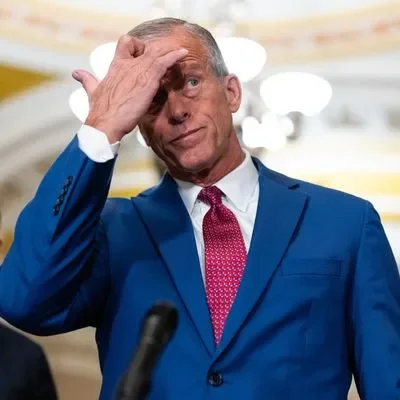
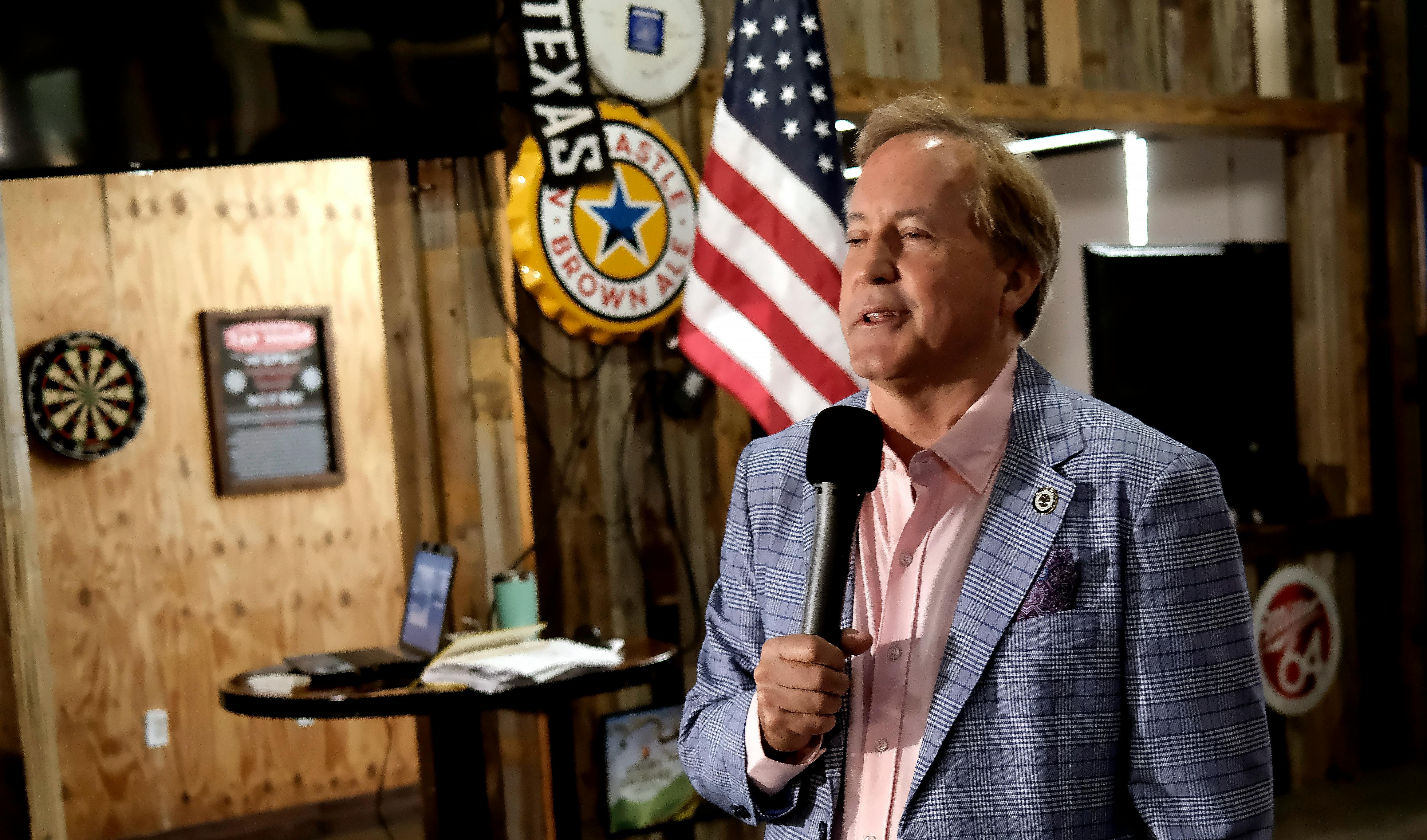
President Donald Trump’s decision to endorse Ken Paxton over incumbent Senator John Cornyn in the Texas primary runoff has triggered open dissent within the Republican Senate conference. Senators are voicing fears that the endorsement of the scandal-plagued Texas attorney general jeopardizes a seat vital to maintaining the party’s legislative majority against Democratic challenger James Talarico ahead of the May 23 vote.
| Primary Candidate | Status | Support/Position |
|---|---|---|
| John Cornyn | Incumbent | Supported by majority of Senate GOP |
| Ken Paxton | Texas AG | Endorsed by Donald Trump |
| James Talarico | Challenger | Polling well for Democrats |
Discontent in the Ranks
The response from the Republican side of the aisle ranges from diplomatic distance to sharp rebuke. While some senators acknowledge the president's prerogative to choose his favored candidates, many describe the move as counterproductive to the party's institutional health.
Senator Susan Collins openly questioned the rationale, labeling Paxton an "ethically challenged individual" and citing his history of alleged investor fraud and personal scandals.
Senator Lisa Murkowski suggested the move creates an unnecessary hurdle for retaining the Texas seat, which analysts note is becoming increasingly competitive.
John Cornyn, a veteran figure, had recently pivoted on key policy issues—including potential support for ending the filibuster and renaming a highway for Trump—in a visible attempt to align himself with the former president’s base.
"How does that help strengthen the president’s hand when we lose a state like Texas?" — Anonymous Republican Senate source
The Fragility of Political Alignment
The rift exposes a deep structural friction between the Senate Republican leadership and the base of the party. Cornyn’s aggressive efforts to appease the president failed to secure the backing he sought, leaving him vulnerable in a brutal, expensive primary battle.
Read More: Taiwan Holds Nantou County Drills to Prepare for State Collapse
For the party, the conflict is not merely personal; it is strategic. The Texas Senate race has long been considered a safe harbor for the GOP, but the current volatility within the primary process has shifted the outlook. With Talarico gaining traction, members of the conference worry that the internal "political contortions" forced upon candidates like Cornyn are distracting from broader electoral goals and potentially weakening the party's general election prospects in a state that has historically anchored their national electoral strategy.
This episode serves as a cold marker of the shifting allegiances within the Republican Party, where traditional loyalty to the establishment is increasingly subservient to the mercurial endorsement patterns of the former president.