At the 2026 developer summit in Mountain View, Google signaled a definitive end to the era of the passive search engine. The company’s architecture is now centered on "agentic" systems—autonomous software that performs tasks rather than merely providing links.
Core technical developments involve the release of Gemini Omni, a multimodal model capable of processing video and environment-aware data, and Gemini 3.5 Flash, designed to prioritize speed and task-completion capabilities.
The Mechanism of Action
The updates deploy across the company’s software stack, prioritizing direct interaction through conversational prompts.
Gemini Spark: An agentic assistant built for proactive information gathering, arriving for US-based AI Ultra subscribers next week.
Gmail Live: A conversational interface for email that permits users to search and summarize correspondence via voice or natural language queries.
Universal Cart: A cross-platform shopping feature that tracks items across the web, effectively merging disparate browser tabs into a single, managed inventory.
Antigravity 2.0: A backend platform overhaul, marketed to developers as the primary environment for building these new "act-on-behalf-of" agents.
| Feature | Primary Function | Access Tier |
|---|---|---|
| Gemini Omni | World modeling / Multimodal | Broad integration |
| Gemini 3.5 Flash | Action / Speed | Available now |
| Workspace AI | Conversational inbox/docs | Pro / Ultra subscribers |
The New Architecture of Search
The hallmark of the event was a stated departure from the traditional query-response paradigm. By integrating Search agents into the core product, the company is attempting to automate the act of browsing. This includes Ask YouTube, which applies these models to video metadata for content-specific retrieval.
Read More: Google I/O 2026: New AI Tools for Developers

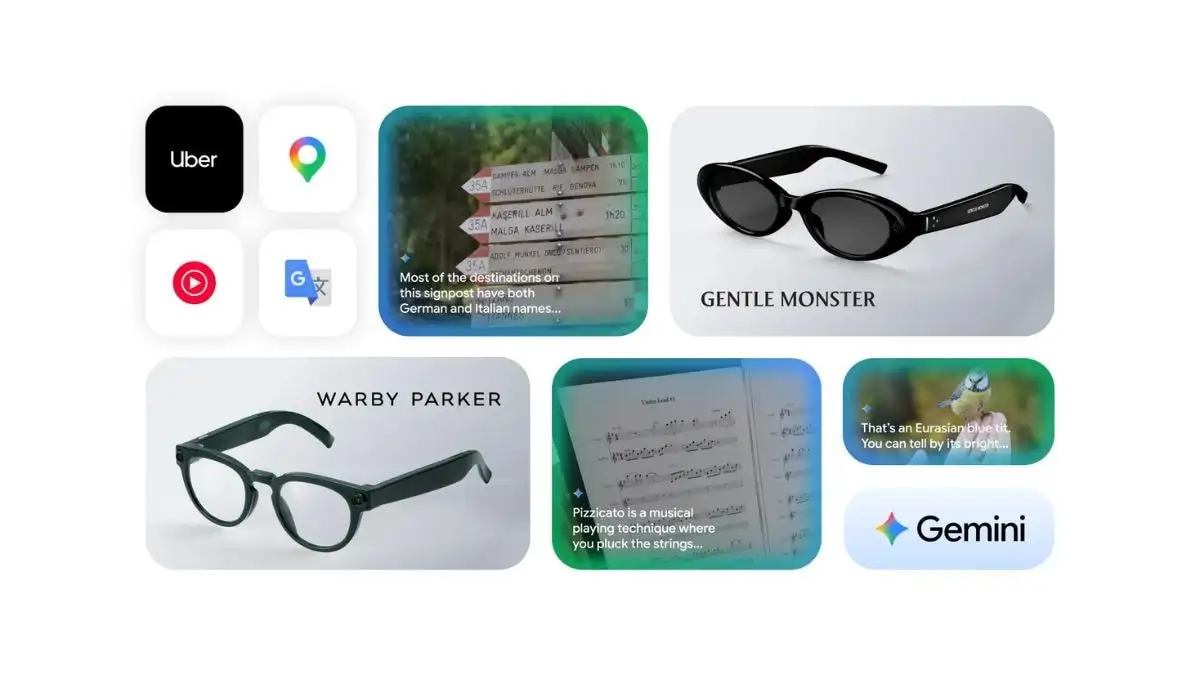
The move into hardware, including intelligent eyewear and wearables, aims to move the "eye" of the model from a static browser window into the user's field of vision. This necessitates Google Pics, a new repository distinct from Photos, designed specifically for managing the high volume of multimodal input these devices generate.
Investigative Context
This transition represents a pivot in the company's long-term business model. By positioning Gemini as an active participant in personal data—spanning Calendar, Gmail, and financial tools—the firm seeks to deepen user reliance on a closed ecosystem.
The transition to agent-first development is an attempt to stay relevant in a landscape where generative output has become a commodity. By shifting from "searching" to "acting," the firm aims to capture transactional value directly at the source, reducing the necessity for users to ever exit the Gemini app interface. Whether this serves the user or merely optimizes the company’s extraction of user intent remains the friction point for the upcoming summer rollouts.
Read More: Accenture Hires More AI Experts for Custom LLM Tools