Former President Donald Trump publicly criticized U.S. Olympic freestyle skier Hunter Hess for comments Hess made regarding his feelings about representing the United States at the 2026 Milan Cortina Winter Olympics. Hess, speaking at a press conference, stated that competing for the U.S. at this time brought him "mixed emotions" and was "a little hard," citing the current political climate in the country. Trump responded on social media, suggesting Hess should not have tried out for the team if he felt that way and called him "a real loser." This exchange has drawn attention amidst the ongoing Winter Olympics and broader political discussions.

Background of the Remarks
Hunter Hess, a freestyle skier competing for the United States in the Milan Cortina Winter Games, addressed reporters on February 7, 2026. He was asked about representing the U.S. amidst domestic political tensions.
Read More: Italian Athletes Do Well at Home in Winter Olympics
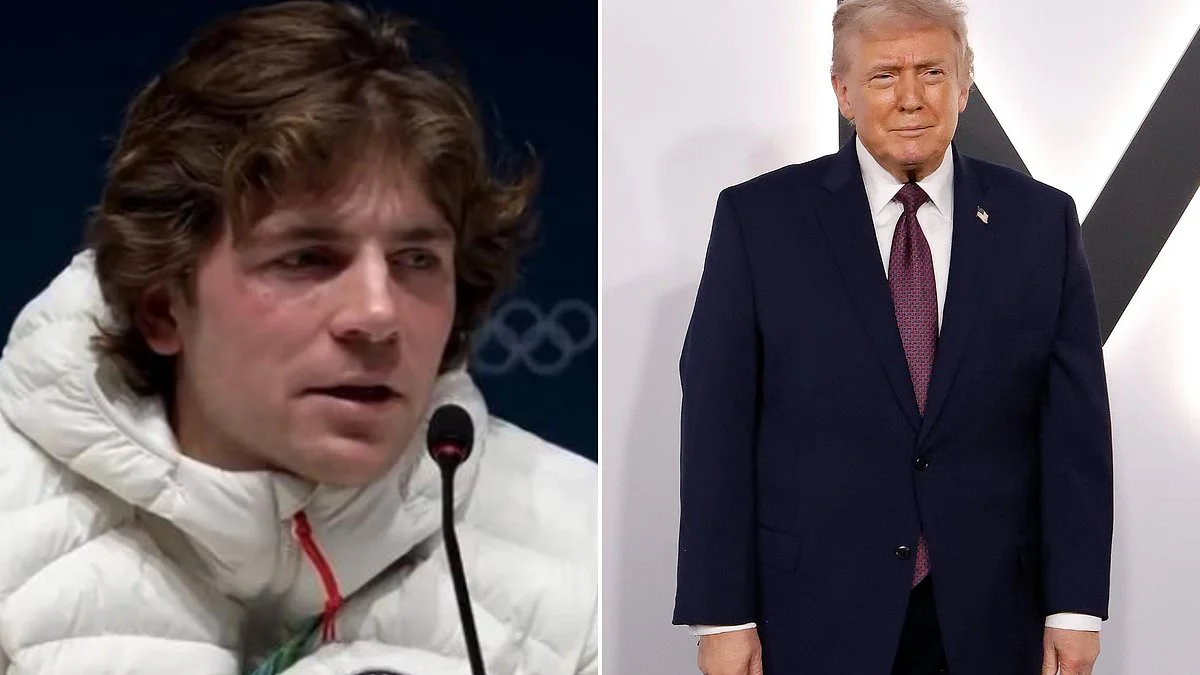
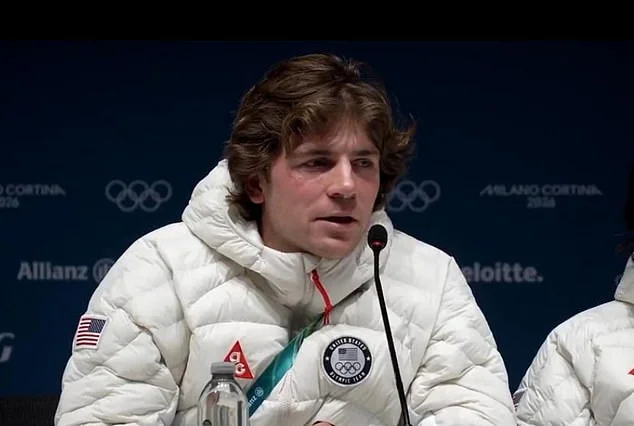
Hess stated that representing the country at the current moment brought him "mixed emotions" and was "a little hard."
He elaborated, saying, "There’s obviously a lot going on that I’m not the biggest fan of, and I think a lot of people aren’t."
Hess also clarified his perspective: "Just because I’m wearing the flag doesn’t mean I represent everything that’s going on in the U.S." He also mentioned he was representing friends, family, and the "things that I believe are good about the United States."
Hess and fellow skier Chris Lillis were among those who spoke about these feelings.
While Hess mentioned "political climate" and things he was "not the biggest fan of," specific policy or individual criticisms were not detailed in the initial reports, though some articles link his sentiment to "aggressive immigration crackdown" and "political turmoil."
Trump's Reaction and Public Statement
Donald Trump responded to Hess's comments on February 9, 2026, through social media platforms, including Truth Social and X.
Read More: Trump Disagrees with Federalist Society, Judge Stops His Courtroom Talk
Trump stated that Hess "shouldn’t have tried out for the Team, and it’s too bad he’s on it."
He referred to Hess as "a real loser" and remarked, "Very hard to root for someone like this."
Trump's statements framed Hess's comments as unpatriotic and suggested that if Hess had such feelings, he should not have sought to represent the United States.
Trump's critique was echoed by other conservative figures and media outlets.
Broader Context and Athlete Reactions
Hess's comments and Trump's response occurred within a broader environment where other American athletes at the Winter Games have also faced questions about the political situation in the U.S.

Some athletes have spoken about the challenges of representing the U.S. amid domestic divisions.
Reports indicate that athletes have been directed to avoid political discussions.
The U.S. Olympic and Paralympic Committee acknowledged an increase in abusive messages toward athletes and stated efforts to remove harmful content and report threats to law enforcement.
Other public figures, including politicians and commentators, have also weighed in on Hess's statements, with some suggesting athletes should refrain from political commentary.
Differing Perspectives on Representation
The situation highlights a tension between the expectations of national representation during international sporting events and athletes' personal feelings about their home country's political climate.
Athletes' Right to Express Views
Argument: Athletes, like all citizens, have the right to express their opinions and feelings about their country's political situation.
Nuance: Hess, while expressing "mixed emotions," also stated he was representing positive aspects of the U.S. and his personal values.
Evidence: Hess's direct quotes from the press conference suggest a nuanced perspective rather than outright rejection of the country.
Expectation of Unconditional Support for the Nation
Argument: When athletes agree to represent their nation, particularly in a context like the Olympics, they are expected to embody national pride and unity, without publicizing dissent.
Nuance: This perspective often views any criticism of the nation, especially during a prominent event, as unpatriotic.
Evidence: Trump's statements, labeling Hess a "loser" and suggesting he shouldn't have tried out, align with this expectation of unwavering national endorsement.
Expert and Public Figures' Commentary
Beyond Trump's direct statements, other public figures and outlets have commented on the situation.
Read More: Lindsey Vonn Hurt in Ski Race Crash
Conservative figures: Several conservative politicians and commentators have publicly criticized Hess, with some suggesting he should be removed from the team or leave the country. For example, Tim Burchett, a Republican, was quoted suggesting Hess should "shut up and go play in the snow." Jake Paul, a YouTuber and boxer, also posted on X stating, "From all true Americans If you don't want to represent this country go live somewhere else."
U.S. Olympic and Paralympic Committee: This body has indicated awareness of increased abusive messages targeting athletes and is working to address them.
Conclusion and Implications
The exchange between Hunter Hess and Donald Trump has amplified discussions about patriotism, freedom of expression, and the role of athletes in political discourse.
Core issue: Hess expressed nuanced "mixed emotions" about representing the U.S. due to the current political climate, which Trump interpreted as a rejection of the country.
Trump's stance: He argued that Hess's feelings disqualified him from representing the U.S. and labeled him negatively.
Broader impact: The situation underscores the scrutiny Olympic athletes face when commenting on national issues and highlights the polarized views on what constitutes appropriate representation.
Next steps: The U.S. Olympic and Paralympic Committee's response to increasing athlete abuse suggests ongoing efforts to manage the impact of such public criticism on the participating athletes.
Sources:
Newsweek: "Trump reacts to Winter Olympics skier’s 'mixed emotions' representing US"
Published: 2 hours ago
Context: Reports on Trump's reaction to Hess's comments and frames the context of Hess's remarks.
RedState: "Trump Brings Some Cold Hard Reality to Olympic Skier Who Dissed America"
Published: 25 minutes ago
Context: Presents a strongly critical view of Hess and highlights Trump's strong reaction.
Fox News: "Trump blasts Olympian over comments about representing US"
Published: [Date Not Specified in Input]
Link: https://www.foxnews.com/sports/trump-blasts-olympian-over-comments-about-representing-us
Context: Reports on Trump's criticism and the outrage surrounding Hess's comments.
CBS News: "Trump lashes out at Team USA athlete for sharing thoughts on political situation at home"
Published: 19 minutes ago
Link: https://www.cbsnews.com/news/trump-lashes-out-hunter-hess-milano-cortina-winter-games/
Context: Details Trump's criticism and mentions other athletes and public figures' reactions.
Sports Business Journal: "Trump rips skier over comments about representing U.S. at Olympics"
Published: 3 hours ago
Context: Reports on Trump's strong language ("ripped") and quotes from both Hess and Trump.
Daily Mail: "Donald Trump attacks 'loser' Team USA skier over 'anti-American' rant"
Published: 2 hours ago
Context: Focuses on Trump's derogatory language and provides context on Hess's statements and public reception.
Notus: "Trump Attacks Olympian Who Expressed ‘Mixed Emotions’ About Representing U.S."
Published: 5 hours ago
Context: Reports on Trump's attack and places it within the context of Hess being one of several athletes expressing views.
Front Office Sports: "Trump Calls U.S. Olympic Skier 'A Real Loser'"
Published: 1 hour ago
Link: https://frontofficesports.com/donald-trump-olympic-skier-loser/
Context: Highlights Trump's specific insult and quotes Hess on his feelings.
People: "Trump Slams Olympian Hunter Hess as a 'Real Loser' After Skier Shares 'Mixed Emotions' About Representing U.S. Right Now"
Published: 42 minutes ago
Context: Provides details on Hess's "mixed emotions" and Trump's subsequent strong reaction.
The Independent: "Trump blasts US Olympic skier as a ‘real Loser’ after ‘not biggest fan’ diss"
Published: 1 hour ago
Context: Reports on Trump's comments, referencing his social media platform and Hess's initial statements.
Read More: Lawmakers Question Attorney General Bondi on Epstein Files