


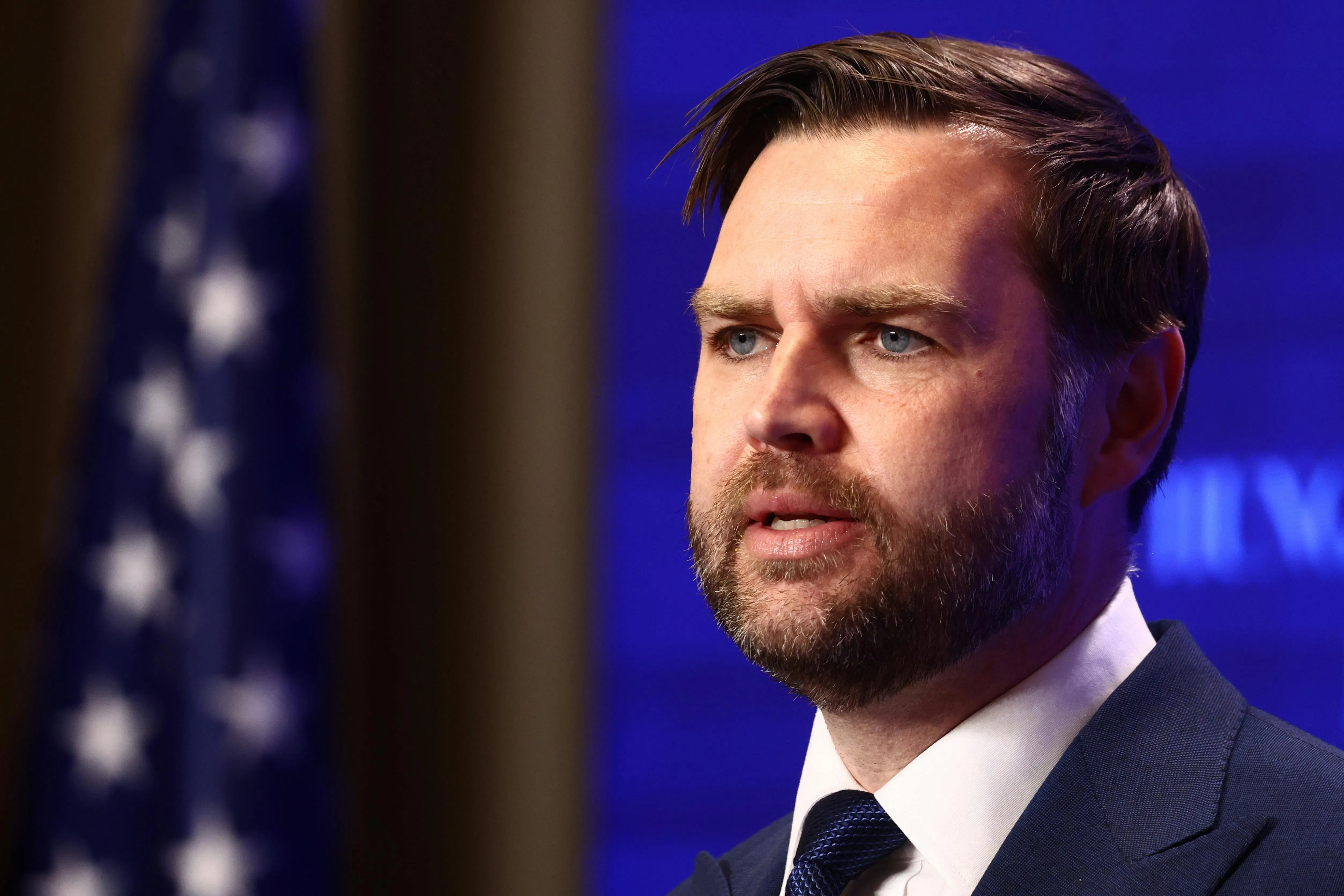
US President Donald Trump has abruptly removed Vice President JD Vance from upcoming peace negotiations with Iran, citing unspecified 'security concerns.' Trump has tapped son-in-law Jared Kushner to fill the void in the critical talks slated for Islamabad. This move follows a tumultuous period where Trump has escalated threats against Iran, including vowing to 'blow the whole country up' if a deal isn't reached. The White House has issued conflicting statements, scrambling to clarify Vance's involvement amidst what appears to be a significant shift in diplomatic personnel.
The sudden sidelining of Vance, who has been a key figure in the US negotiation team, signals a potential pivot in the administration's approach to the protracted conflict and nuclear program dispute with Iran. His removal comes as peace talks resume in Pakistan, with Vance previously having traveled there for earlier rounds of discussions. Trump's rhetoric has grown increasingly aggressive, with recent public statements threatening the destruction of Iran's power plants and bridges should negotiations falter.

Vance's Role in the Discord
Vance, previously described as an 'unlikely choice' for brokering peace and even an 'Iran war skeptic,' has found himself at the center of Trump's volatile foreign policy. Reports suggest Trump has been closely monitoring Vance's progress, soliciting feedback on his performance from associates. This scrutiny intensified after Vance's earlier diplomatic efforts appeared to fall short of expectations, particularly concerning Iran's nuclear program. Vance himself has attributed the stalled talks to Iran's refusal to abandon its nuclear ambitions, while Iranian delegates claim a lack of trust in Washington's sincerity.
Read More: Justice Dept. Reopens "Russia Hoax" Probe Led By Trump Ally
Kushner's Return to the Forefront
Jared Kushner, who has previously played a significant role in Middle East diplomacy for the Trump administration, is now re-inserted into the high-stakes negotiations. His involvement, alongside businessman Steve Witkoff, was noted during crucial meetings prior to the escalation of hostilities, even preceding Trump's decision to launch military actions against Iran. This suggests a preference for Kushner's particular brand of deal-making, which some former diplomats have questioned, citing a lack of specialized expertise.

Escalating Tensions and Stalled Diplomacy
The backdrop to these personnel changes is a deepening crisis. Iran has closed the Strait of Hormuz, a vital global oil transit route, in response to a US blockade of its ports. Trump's ultimatum to Iran – demanding the opening of the strait within 48 hours or facing the "obliteration" of its infrastructure – highlights the extreme pressure being applied. Despite these aggressive posturing, diplomatic channels are reportedly still active, with Iran having received new proposals from the US.
Read More: Indian Nationals Return From Iran Due To Regional Tensions

Background to the Conflict
The current diplomatic impasse and military escalations trace back to a breakdown in negotiations over Iran's nuclear program. Reports from The New York Times indicated that Israeli Prime Minister Benjamin Netanyahu's presence at a White House meeting on February 11 was a key factor in Trump's decision to initiate military action. The conflict has led to significant civilian casualties and destabilized the global oil market. Previous rounds of talks in Islamabad, involving Vance, Witkoff, and Kushner, failed to yield an agreement, with key sticking points including Iran's enriched uranium and the establishment of verification measures for its nuclear program.


