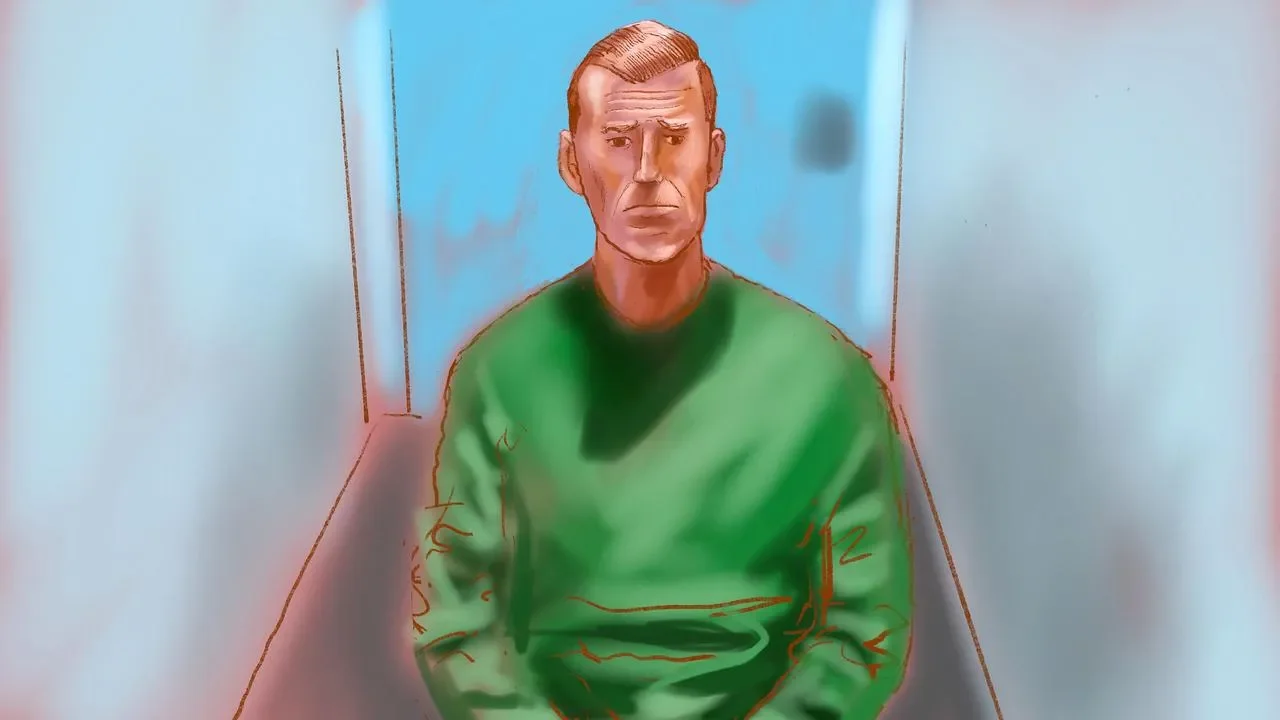
The Justice Department, under the umbrella of the Trump administration's ongoing scrutiny, has tapped Joseph diGenova, a former federal prosecutor and a known ally of President Trump, to lead a renewed inquiry into the genesis of the investigation into alleged Russian interference in the 2016 election. This move signals a deliberate pivot towards dissecting the foundations of the original probe, aiming to unearth alleged misconduct and reframe the narrative surrounding the "Russia collusion" claims.
DiGenova, who previously represented Trump during the Special Counsel Robert Mueller's investigation, has been vocal in his accusations against figures such as former CIA Director John Brennan, alleging impropriety in the early stages of the Russia probe. While these claims have not, to date, resulted in criminal charges, the Justice Department's decision to appoint him suggests a willingness to pursue these lines of questioning more aggressively. The administration's strategy appears to involve leveraging recently declassified records, a process championed by individuals like Trump's Director of National Intelligence Tulsi Gabbard, to challenge the initial findings and expose what they term the "Russia hoax."
Read More: Europe Far Right Rethinks US MAGA Ties After Orbán Loss
This re-examination comes as previous investigations, including the Mueller probe, while securing convictions against several Trump associates, did not establish a criminal conspiracy between Moscow and the Trump campaign. Republican lawmakers, such as Senate Judiciary Committee Chairman Chuck Grassley, have also amplified these challenges, releasing documents purporting to show a Clinton campaign plot to frame Trump. The impetus for this intensified focus appears linked to a July 27, 2016, email, declassified as part of a larger review, which suggested the Hillary Clinton campaign approved a plan to connect Trump with Russia.
The scope of this new inquiry remains somewhat opaque, with uncertainties surrounding the specific claims of misconduct that might form the basis for criminal charges. Such charges would necessitate approval from a grand jury. The Obama administration's original assessment detailed various forms of election interference and foreign influence, but crucially, did not allege direct tampering with vote tallies. This distinction is central to the administration's narrative that the initial investigation was predicated on a false premise.
Read More: Australian Soldier Ben Roberts-Smith Faces War Crimes Charges
The discourse surrounding the "Russia investigation" has been a persistent theme since its inception. Trump himself has consistently characterized the inquiry as a "hoax." Recent efforts to declassify documents by figures associated with the Trump administration, including Gabbard and former Director of National Intelligence James Clapper, aim to bolster this perspective, suggesting a coordinated effort to politically target Trump. Former intelligence officials, including Brennan, have defended their roles, refuting claims of a deliberate setup.
This ongoing narrative battle highlights a deeper contention over the interpretation of intelligence and the motivations behind the initial investigation. The release of documents, some championed by individuals like former FBI Director Kash Patel, is intended to cast doubt on the extent of Russian interference and demonstrate an alleged Obama administration effort to falsely implicate Trump. The lack of conclusive evidence for direct collusion, as determined by the Mueller investigation, serves as a focal point for these challenges, prompting a critical look at the methodologies and conclusions drawn from the initial stages of the probe.
Read More: Farrer byelection: Milthorpe faces party rivals amid funding questions