)
Concerns Raised Over Pardons Benefiting Allies and Supporters
In recent years, the authority of the U.S. President to grant pardons has become a focal point of discussion. Reports indicate that Donald Trump, during his time as President, issued a significant number of pardons and commutations. Many of these clemency grants have been noted to benefit individuals with political ties or those who have supported him. This has led to questions and concerns about whether the clemency power has been used in a way that suggests a transactional relationship.
Scope and Nature of Trump's Clemency Grants
Donald Trump's administration utilized the pardon power on an "extraordinary scale," according to analyses. During his presidency, he issued over 1,840 pardons and commutations. A key aspect of this usage involves a centralized approach, which critics suggest may have weakened traditional safeguards associated with the clemency process.
Examples cited include a banker who received clemency after his daughter made "substantial donations" to a pro-Trump political action committee.
The sheer volume of clemency orders, with many issued in the final period of his presidency, has prompted examination into the political dimensions of this power.
Contextualizing the Pardon Power
The power to pardon is a constitutional authority granted to the President. It applies only to federal offenses, not state charges.
Read More: 23 States Sue Over Trump Executive Order on Mail-In Voting Rules
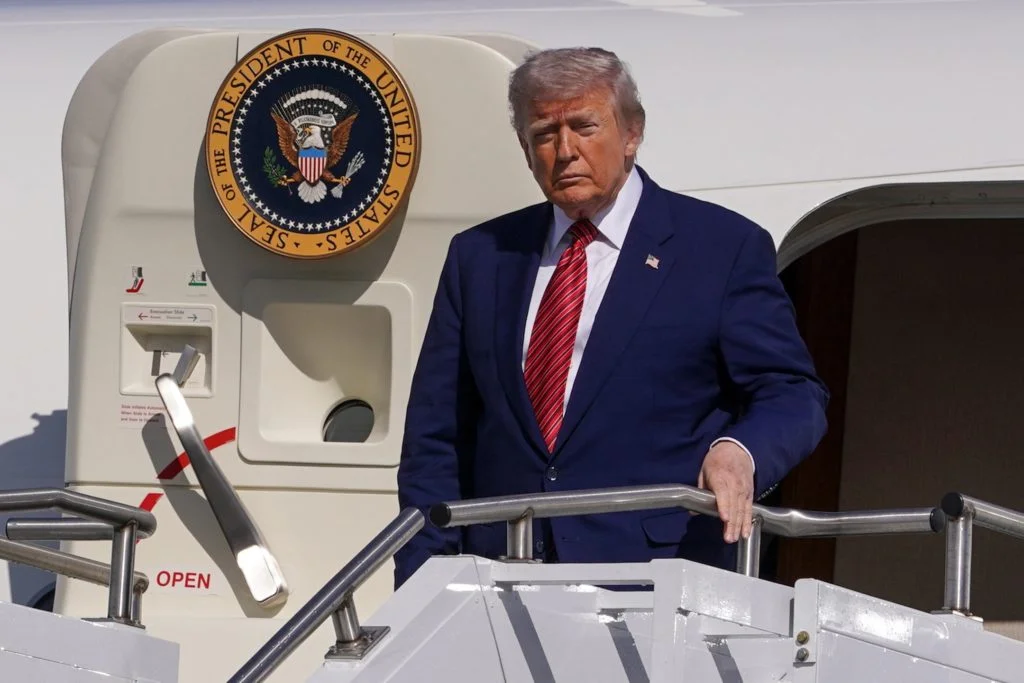
Historically, presidents have used this power, but the extent and manner of its application under the Trump administration have drawn specific attention.
There have been instances where Trump's actions related to pardons have been described as pushing against the perceived legal limits of the power.
Key Figures and Cases Under Scrutiny
Several cases highlight the debate surrounding Trump's use of pardons.
Paul Manafort, Trump's former campaign chairman, was pardoned after being convicted of bank and tax fraud. This instance is frequently cited as an example of clemency granted to a political associate.
On his last day in office, Trump issued a wave of clemency orders, including pardons for 144 individuals.
Reports suggest that some individuals who received clemency have since been involved in efforts supporting Trump's return to power, a point that has raised further questions.
There are also accounts of Trump reaching out to other leaders regarding potential pardons, such as reportedly urging Israel's president to pardon Prime Minister Benjamin Netanyahu.
Comparisons and Departures from Precedent
The use of the pardon power by Donald Trump has been compared to that of other presidents.
While other presidents have also used their pardon authority, including pardoning family members, the pattern and political alignment of Trump's pardons are areas of particular focus for analysis.
The administration's approach to clemency is seen by some as a "reimagining" of the presidential clemency power.
Perspectives on the Rule of Law
The administration's clemency decisions have been linked to broader discussions about the rule of law.
Concerns have been voiced regarding pardons that potentially relate to "political violence" or "hate groups."
The perceived lack of traditional checks within the process has been highlighted as a point of concern for legal scholars and observers.
Conclusion: Patterns and Implications
The evidence suggests a pattern in the Trump administration's use of presidential pardons, characterized by a high volume of grants and a notable benefit to political allies and supporters. The "centralized approach" and alleged weakening of safeguards have led to a public discourse on the appropriate exercise of clemency power. Whether these pardons were a reward for loyalty or part of a broader political strategy remains a subject of ongoing examination. The implications of this approach for public trust in the justice system and the integrity of the pardon power are significant.
Read More: Trump Approval Drops With White Working Class Voters in New Polls
Zeenews.india.com: Focuses on the scale and political nature of Trump's pardons, highlighting concerns about transactional clemency and weakened safeguards.
Aljazeera.com: Explores how Trump "reimagined" clemency, touching upon its limits and potential extensions, and mentioning a specific instance of Trump's alleged influence on a foreign leader regarding pardon matters.
PBS.org: Examines controversial pardons for political allies and loyalists, posing questions about the patterns and comparisons with other presidencies.
Law.stanford.edu: Discusses the implications of Trump's pardons, particularly concerning political violence, hate groups, and the rule of law, as presented in a podcast format.
Cbsnews.com: Provides a general explanation of presidential pardons and a comparative overview of how different presidents, including Trump, Biden, and Obama, have used this power.
Washingtonpost.com: Investigates the connection between individuals pardoned by Trump and their subsequent involvement in efforts to support his political return, particularly noting a surge in clemency orders near the end of his term.