President Donald Trump has issued an executive order using the Defense Production Act to bolster the domestic manufacturing of elemental phosphorus and glyphosate, a key ingredient in the widely used herbicide Roundup. The White House stated the action is necessary to secure supply chains critical for both national defense and food security, citing vulnerability to foreign actors due to a limited number of domestic producers. This move comes as the chemical faces significant public scrutiny and legal challenges over its alleged links to cancer, while the administration has previously supported the herbicide's manufacturer.
National Security and Domestic Production
President Trump's executive order, dated February 18, 2026, invokes the Defense Production Act to stimulate the domestic production of elemental phosphorus and glyphosate-based herbicides. A White House fact sheet asserted that the loss of these chemicals could cripple critical supply chains, leaving the defense industrial base and food supply vulnerable to foreign adversaries.
Read More: Green Party Wins Gorton and Denton Election on 27 February 2026 and Takes Seat From Labour
The order highlights that there is currently only one domestic producer of both elemental phosphorus and glyphosate-based herbicides. The White House suggests that current output falls short of U.S. needs, presenting a significant risk to national security and defense, which encompasses food security.
The order requires the Secretary of Agriculture to issue directives to increase the supply of phosphorus and glyphosate.
Elemental phosphorus is noted as a precursor to glyphosate and is also used in manufacturing certain military equipment.
The President's statement in the order emphasized that robust domestic mining of elemental phosphorus and U.S.-based production of glyphosate-based herbicides are central to American economic and national security.
Legal and Public Scrutiny of Glyphosate
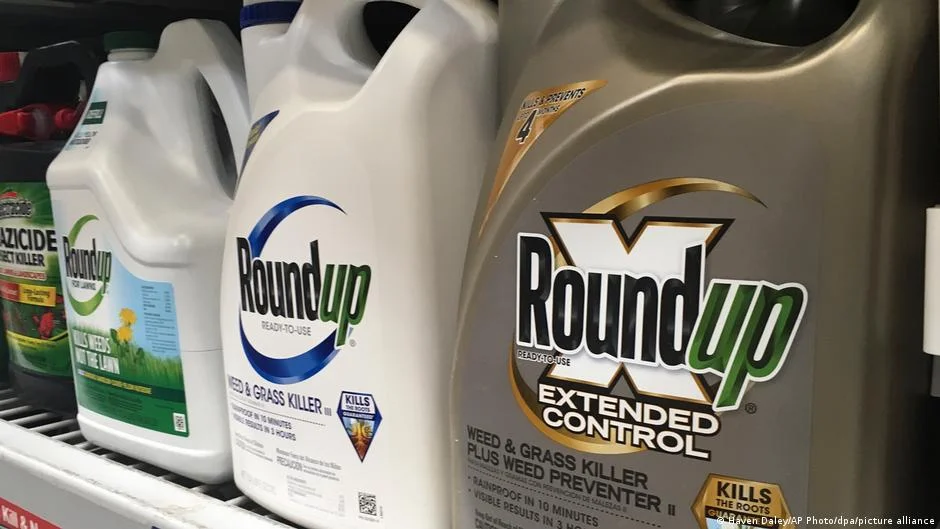
The directive on glyphosate occurs within a broader context of significant legal challenges and public concern regarding its safety. Bayer, the manufacturer of Roundup, has faced thousands of lawsuits alleging that the herbicide causes cancer.

In a related development, the Trump Department of Justice previously sided with Bayer, urging the Supreme Court to shield the company from state lawsuits. A brief filed by the DOJ stated that the Environmental Protection Agency (EPA) had repeatedly determined that glyphosate is not likely to be carcinogenic to humans and had approved product labels without cancer warnings. The EPA had classified glyphosate as "not likely to be carcinogenic to humans" in 2016 and again in 2020.
Read More: Paramount Wins Warner Bros. Discovery Bid Over Netflix After Deal Reevaluation
These legal battles involve over 170,000 claims filed against Bayer.
One successful case against Bayer occurred outside California, the only state that labels the product as carcinogenic.
The Trump EPA had previously deregulated toxic chemicals.
Bayer's Proposed Settlement
In a parallel effort to address the widespread litigation, Bayer has reportedly agreed to a proposed settlement of $7.25 billion to resolve thousands of U.S. lawsuits. These suits allege that the company failed to warn consumers about the potential cancer risks associated with Roundup.
The proposed settlement, filed in St. Louis Circuit Court, Missouri, is intended to provide assurance to patients receiving settlement funds, even if the Supreme Court rules in Bayer's favor. The settlement still requires court approval.
Bayer is the manufacturer of Roundup.
The settlement aims to resolve thousands of claims.
The outcome of the Supreme Court case could impact the settlement.
Analysis of Presidential Action and Supply Chain Resilience
The executive order demonstrates a strategic focus on securing critical domestic production capabilities. By invoking the Defense Production Act, the administration signals its intent to address perceived vulnerabilities in supply chains, particularly for materials deemed essential for national defense and economic stability.
Strategic Prioritization: The order identifies elemental phosphorus and glyphosate as materials of national importance, aligning with an "America First" industrial strategy that prioritizes domestic manufacturing.
Supply Chain Defense: The emphasis on countering threats from "hostile foreign actors" suggests a concern about geopolitical risks and the potential for supply disruptions from international sources.
Dual-Use Chemicals: The inclusion of elemental phosphorus underscores the dual nature of certain chemicals, serving both defense and agricultural applications.
The administration's stance on glyphosate production is presented as a measure to ensure adequate supply, framing it as a matter of national security. This perspective contrasts with ongoing public health concerns and legal actions alleging the product's carcinogenicity. The White House fact sheet states: "President Trump has consistently prioritized policies that secure domestic supply chains, protect national defense, and support American agriculture and families."
Read More: CBI Challenges Delhi Court Order Discharging Kejriwal and Others in Liquor Case
Conclusion and Future Implications
President Trump's executive order represents a significant governmental intervention aimed at fortifying the domestic production of glyphosate and elemental phosphorus. The administration articulates this action as a critical step to safeguard national security and ensure food supply stability by mitigating reliance on foreign sources and addressing limited domestic production capacity.
The order mandates actions from the Secretary of Agriculture to increase the supply of these chemicals. This directive is underpinned by the rationale that vulnerabilities in the supply chain for these materials could jeopardize national defense and the food supply.
Read More: Paramount to buy Warner Bros. Discovery after Netflix stops bidding on Feb 26
Simultaneously, the ongoing legal proceedings and a substantial proposed settlement involving Bayer, the producer of Roundup, highlight the complex and contentious public health and safety issues associated with glyphosate. The government's prior support for Bayer in legal challenges adds another layer to the multifaceted nature of this issue.
The effectiveness of this executive order in achieving its stated goals of strengthening domestic production and supply chain resilience, while navigating the ongoing controversy surrounding glyphosate, remains a key point for observation.
Evidence: The executive order itself and associated White House fact sheets detail the rationale and objectives.
Context: Public concerns and legal actions surrounding glyphosate, as well as the use of the Defense Production Act in previous contexts, form the backdrop.
Implications: The order suggests a policy direction focused on bolstering domestic manufacturing for strategic materials, potentially impacting future trade and regulatory decisions.
Sources:
CNBC: Reports on the executive order, its connection to the Defense Production Act, and the stated reasons for promoting glyphosate and phosphorus production.
White House: Official fact sheet detailing President Trump's order to ensure an adequate supply of elemental phosphorus and glyphosate-based herbicides for national security.
Common Dreams: Covers the Trump DOJ's stance in a Supreme Court case, siding with the Roundup manufacturer against cancer victims.
Tech Golly: Discusses President Trump invoking the Defense Production Act to secure military and farm chemicals, including phosphorus and glyphosate.
Link: https://techgolly.com/2026/02/16/trump-invokes-defense-act-to-secure-military-and-farm-chemicals
Associated Press (AP): Reports on Bayer's agreement to a proposed $7.25 billion settlement to resolve thousands of Roundup cancer lawsuits.