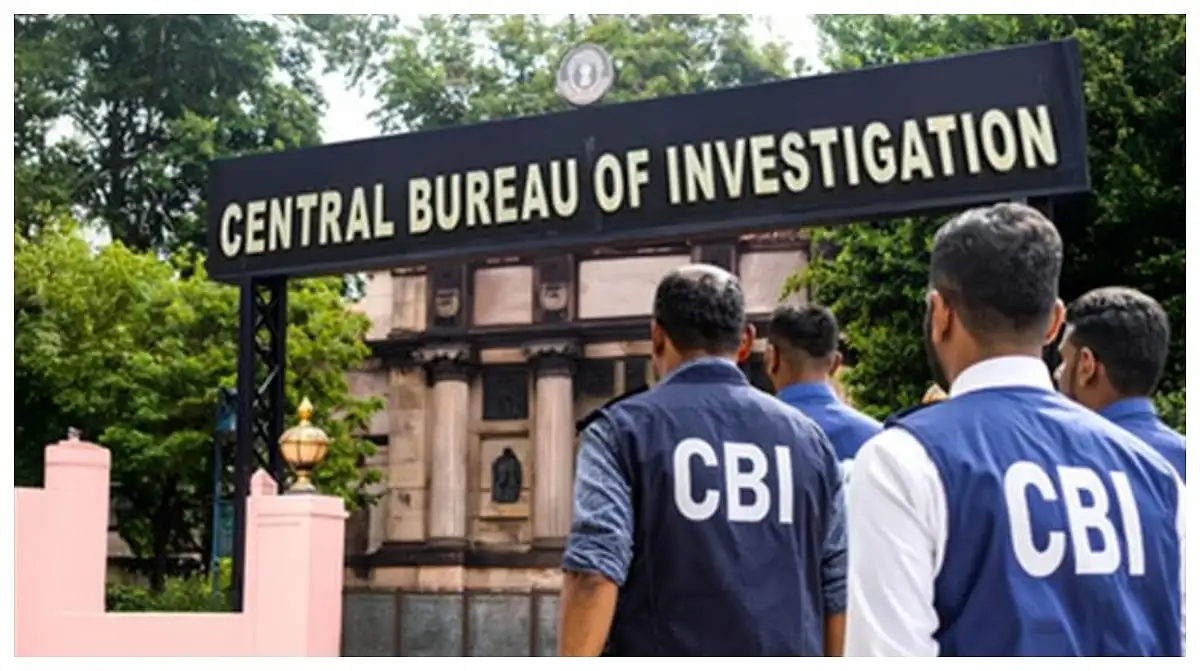
The Central Bureau of Investigation (CBI) is pursuing legal action to contest a trial court's decision that discharged Arvind Kejriwal, former Delhi Deputy Chief Minister Manish Sisodia, and 21 other individuals in the Delhi Excise Policy case. This move indicates that the legal proceedings are continuing, despite the trial court's ruling. The CBI has filed an appeal with the Delhi High Court to overturn the lower court's order.

Background of the Delhi Excise Policy Case
The case involves allegations of irregularities in a now-scrapped liquor policy. The CBI had previously filed a chargesheet against several individuals, including Arvind Kejriwal and Manish Sisodia. The agency's claims centered on the alleged acceptance of kickbacks from a group referred to as the 'South Group' by leaders of the Aam Aadmi Party (AAP). In return for these alleged payments, concessions were purportedly offered to specific liquor licensees.
Read More: Gregg Wallace Drops BBC Legal Case and Gets No Money

February 27, 2026: A Delhi court discharged Arvind Kejriwal, Manish Sisodia, and 21 other accused.
The trial court judge, Jitendra Singh, refused to accept the CBI's chargesheet, stating there was a lack of cogent evidence against Kejriwal and no prima facie case against Sisodia and the others.
The judge also criticized the CBI's investigation, noting that the case relied heavily on approver statements and that crucial aspects were overlooked.
Following this decision, the CBI announced its intention to challenge the discharge order in the Delhi High Court.
Trial Court's Reasoning for Discharge
The trial court's decision to discharge the accused was based on a critical assessment of the evidence presented by the CBI. Special Judge Jitendra Singh at the Rouse Avenue Court highlighted significant shortcomings in the investigation.
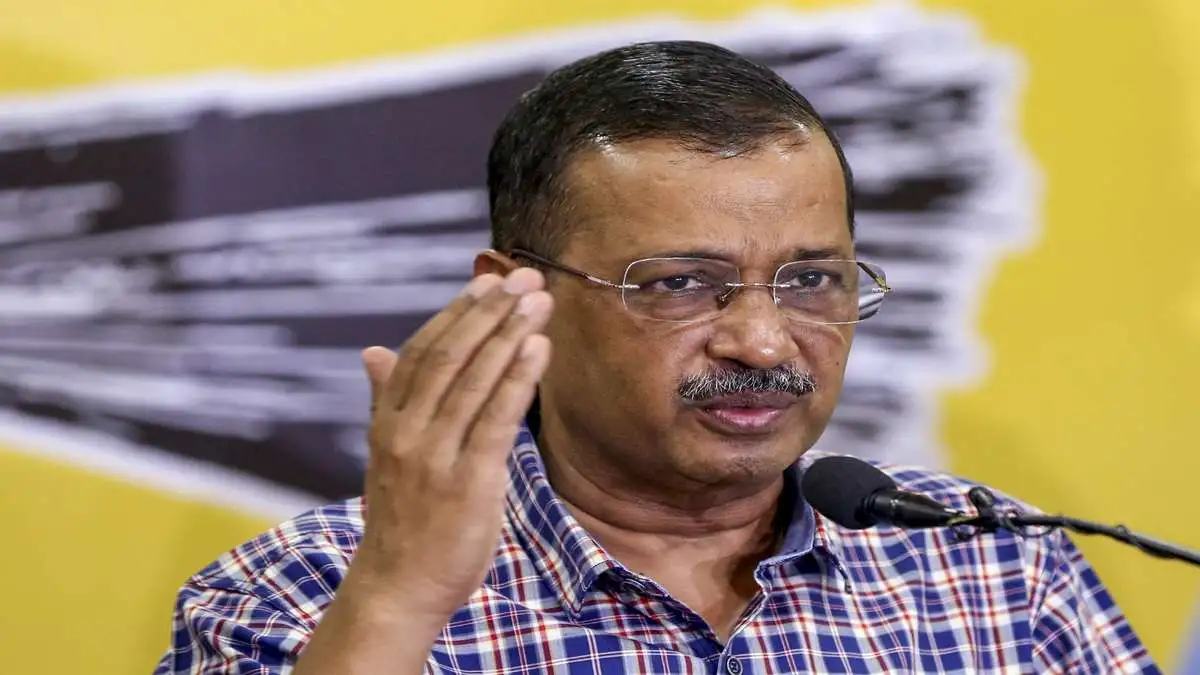
Lack of Evidence: The court observed that there was no cogent evidence to establish a case against Arvind Kejriwal.
No Prima Facie Case: Similarly, the judge found that no prima facie case had been made out against Manish Sisodia or the other accused individuals.
Critique of Investigation: The CBI's probe was criticized for its reliance on statements from approvers, with the court suggesting that these aspects were not adequately considered or were ignored.
Alleged Political Conspiracy: Following his discharge, Arvind Kejriwal alleged that Prime Minister Narendra Modi and Union Home Minister Amit Shah were involved in a political conspiracy to target the AAP. The BJP has denied these allegations.
CBI's Grounds for Appeal
The CBI intends to present its arguments before the Delhi High Court, contending that the trial court's decision did not sufficiently consider all aspects of the investigation.
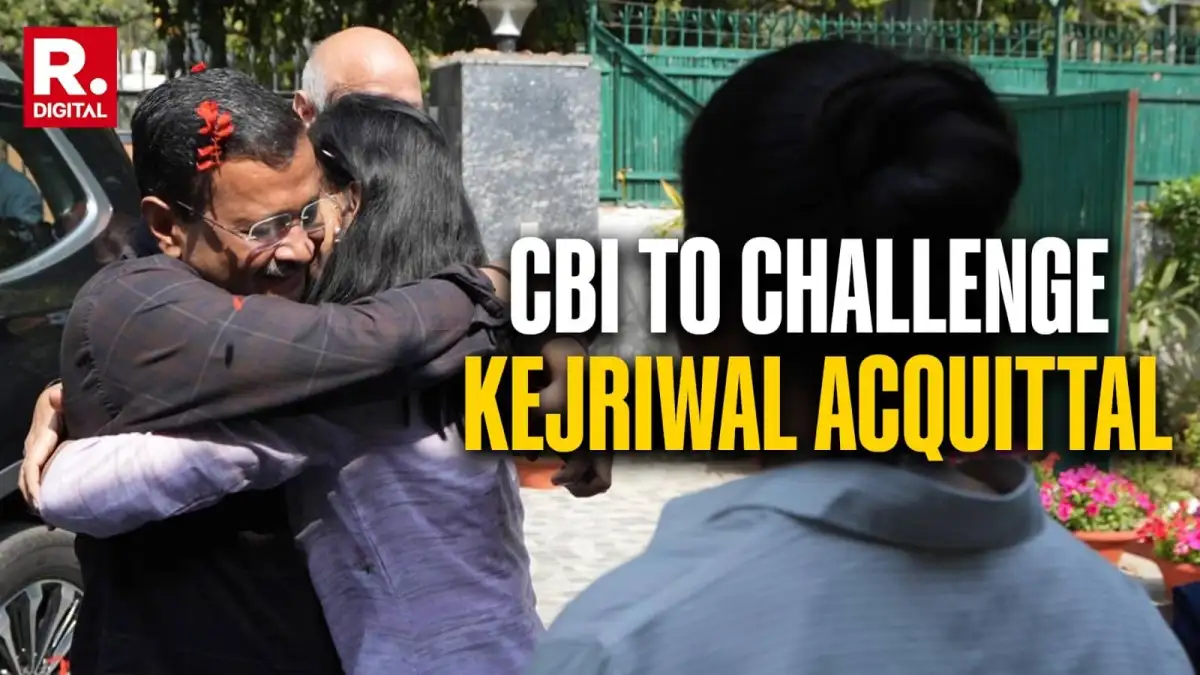
Appeal Filed: The CBI has filed an appeal in the Delhi High Court challenging the trial court's order.
Ignored Aspects: The agency stated that "several aspects of the investigation have been ignored or not considered adequately" in the trial court's judgment.
Legal Battle Continues: The CBI's move signals that the legal dispute over the excise policy case is ongoing.
Differing Perspectives on the Discharge Order
The trial court's decision has led to divergent reactions and interpretations from the parties involved and political observers.
| Perspective | Key Points |
|---|---|
| Aam Aadmi Party (AAP) | Celebrated the discharge as a victory and vindication, with Arvind Kejriwal alleging a political conspiracy by the central government. He also challenged Prime Minister Narendra Modi to elections. |
| Central Bureau of Investigation (CBI) | Views the trial court's order as a setback and believes crucial investigative elements were not properly assessed. It is actively seeking to overturn the discharge through an appeal. |
| Bharatiya Janata Party (BJP) | Described the discharge as preliminary, emphasizing that the judicial process is continuing. The BJP pointed to the court's acknowledgment of an evidence gap while also referencing CBI claims of tampering. |
Expert Analysis
Legal experts note that the CBI's appeal will require demonstrating to the High Court that the trial court made errors in its assessment of the evidence or overlooked significant legal points.
"The CBI will need to convince the High Court that the trial court’s findings were manifestly incorrect or based on a misapprehension of the law or facts," commented a legal analyst who preferred to remain anonymous.
The High Court's review will likely focus on whether the trial court correctly applied the legal standards for framing charges and whether it adequately considered the material placed before it by the prosecution.
Conclusion and Next Steps
The CBI's challenge to the trial court's discharge order in the Delhi High Court marks a new phase in the legal proceedings of the Delhi Excise Policy case. The trial court's critique of the investigation and its finding of insufficient evidence for Kejriwal and Sisodia have been directly contested by the agency.
Read More: Green Party Wins Gorton and Denton Election on 27 February 2026 and Takes Seat From Labour
Legal Recourse: The CBI is exercising its legal right to appeal, seeking to reverse the acquittal.
High Court Scrutiny: The Delhi High Court will now examine the evidence and legal arguments presented by both the CBI and the accused.
Case Status: The judicial process is ongoing, and the final outcome remains undetermined pending the High Court's decision. The allegations of kickbacks and conspiracy will be subject to further legal review.
Sources Used:
Economic Times: https://economictimes.indiatimes.com/news/politics-and-nation/delhi-excise-policy-case-arvind-kejriwal-cbi-to-challenge-rouse-avenue-court-order/articleshow/128840328.cms (Published Il y a 4 heures. Summary indicates CBI challenging order due to perceived lapses and lack of cogent evidence against Kejriwal and Sisodia.)
Free Press Journal: https://www.freepressjournal.in/india/delhi-excise-policy-case-cbi-to-challenge-kejriwal-discharge-in-higher-court-after-trial-court-setback (Published Il y a 3 heures. Confirms CBI's decision to challenge the trial court's discharge of 23 accused, including Kejriwal and Sisodia, due to a lack of evidence.)
True Scoop News: https://www.truescoopnews.com/india/cbi-to-challenge-delhi-courts-decision-to-acquit-kejriwal-sisodia-in-hc (Published Il y a 12 heures. Reports on CBI's challenge and mentions Kejriwal's allegations of a political conspiracy.)
India TV News: https://www.indiatvnews.com/news/india/cbi-moves-delhi-high-court-to-overturn-arvind-kejriwal-acquittal-in-excise-policy-case-2026-02-27-1031957 (Published il y a 15 minutes. Details the CBI's urgent appeal to the Delhi High Court and includes reactions from the BJP.)
Republic World: https://www.republicworld.com/india/cbi-to-move-hc-challenge-acquittal-of-arvind-kejriwal-manish-sisodia-21-others-in-delhi-excise-policy-case (Published Il y a 4 heures. States the court found 'no criminal intent' and that Kejriwal and Sisodia are 'honest', while the CBI plans to challenge this.)
The Hindu: https://www.thehindu.com/news/cities/Delhi/aap-leaders-kejriwal-and-sissodia-discharged-along-with-others-timeline/article70683251.ece (Published Il y a 2 heures. Provides a timeline and reiterates the CBI's intent to appeal, citing ignored investigative aspects.)