

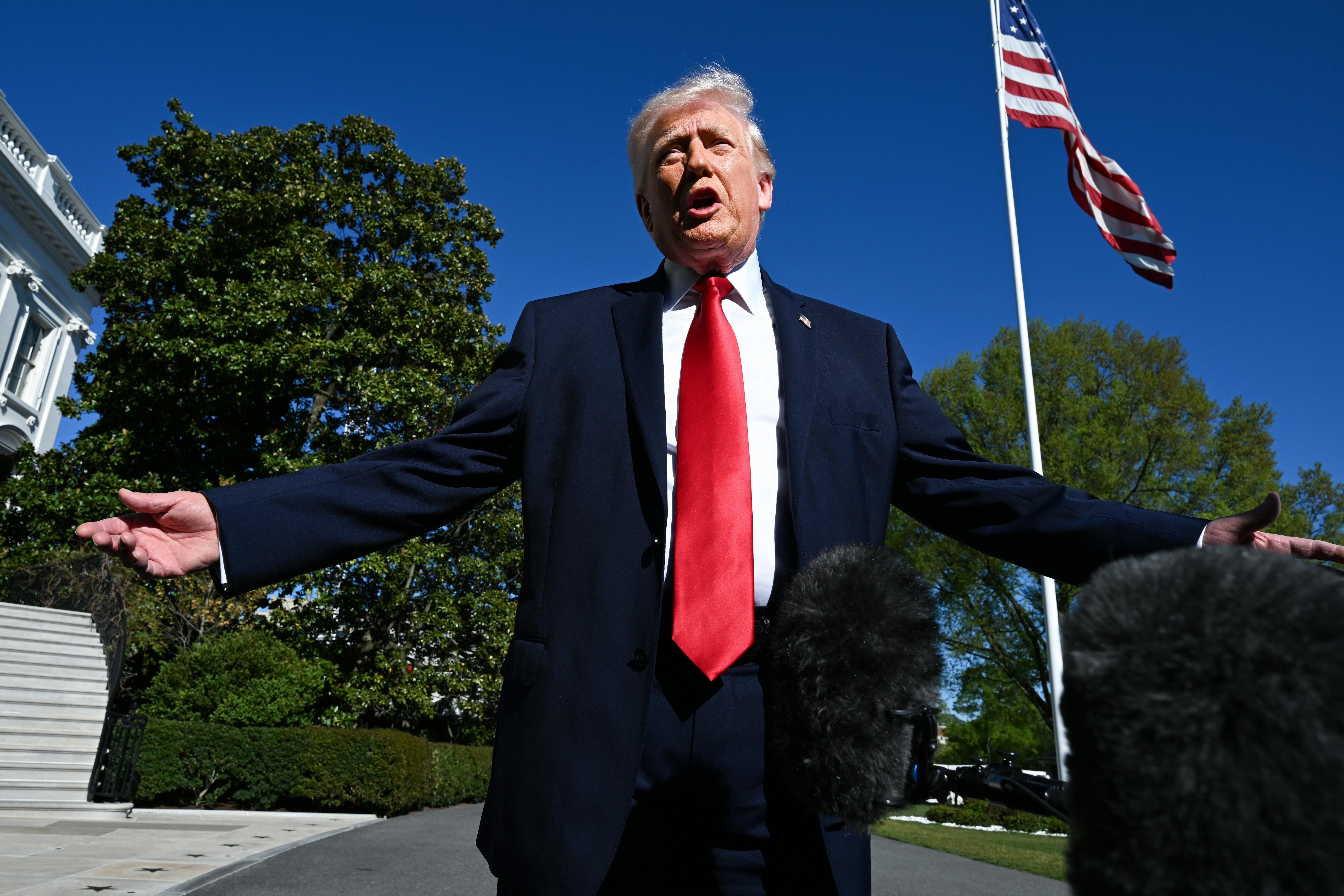
Lawyers for President Donald Trump have initiated discussions with the Internal Revenue Service (IRS) to potentially settle a substantial $10 billion lawsuit. The legal action, filed earlier this year in Florida, centers on allegations of reputational and financial harm stemming from the alleged leak of confidential tax records belonging to Trump and the Trump Organization between 2018 and 2020.
Legal Maneuvers and Scrutiny
The President's legal team submitted a filing on Friday, requesting a 90-day pause in the proceedings. This pause, they argued, would facilitate settlement talks and "avoid protracted litigation." The request suggests that both sides are exploring avenues to "narrow or resolve the issues efficiently," a move intended to promote "judicial economy." The news outlets involved were not explicitly named in the court documents, but the timeframe and nature of the alleged leaks align with reporting by The New York Times and ProPublica concerning Trump's tax returns and those of wealthy Americans.
Read More: Appeals Court Allows Trans Inmate Transfers to Men's Prisons
Unprecedented Conflict of Interest
The lawsuit itself presents a complex scenario, with the President, who oversees the IRS, suing his own tax collection agency. This situation has drawn criticism and raised concerns about potential conflicts of interest. Ethics watchdog groups and some lawmakers have questioned the propriety of the President pursuing litigation against his own administration, with some alleging it amounts to an attempt to "steal" taxpayer money. The Justice Department, typically responsible for defending federal agencies, finds itself in a delicate position, as its ultimate accountability rests with the President himself. This unusual dynamic has led to accusations of "collusive litigation tactics" and questions regarding the Department's ability to "zealously defend the public fisc."
Background to the Dispute
The lawsuit, with President Trump joined by his sons Donald Trump Jr. and Eric Trump as plaintiffs, claims that the leaks caused significant "reputational and financial harm, public embarrassment, unfairly tarnished their business reputations, portrayed them in a false light, and negatively affected President Trump, and the other Plaintiffs’ public standing." Any financial resolution stemming from this suit would ultimately be disbursed through taxpayer funds. Lawmakers such as Senator Ron Wyden have been vocal critics, demanding transparency and answers regarding the administration's handling of the case and its potential financial implications for taxpayers. Former government officials have also filed amicus briefs challenging the suit's core assertions.
Read More: Australia Capital Gains Tax Changes for Investment Properties 2026


