

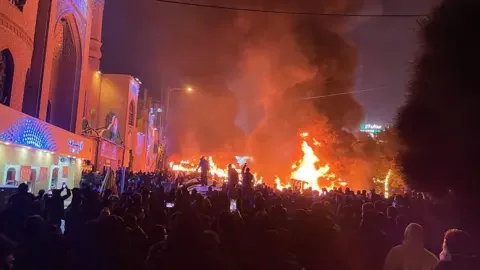
A storm of unrest has swept through Iran, igniting fervent calls for change and sparking a dangerous dance between Tehran and Washington. As protestors on the ground face brutal crackdowns, former US President Donald Trump’s pronouncements of imminent "help" have left many feeling abandoned and betrayed. But was this ever a genuine offer, or a strategic ploy? This investigation dives deep into the conflicting narratives, the history of intervention, and the devastating reality for those caught in the crossfire.
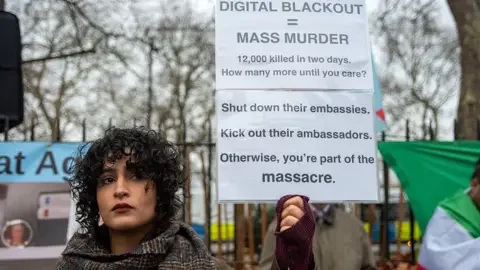
The Echoes of Unfulfilled Hope: A History of Promises and Peril
The current crisis in Iran is not an isolated incident; it’s a chapter in a long, complex, and often tragic story of foreign intervention and the struggle for self-determination. For decades, the relationship between Iran and the United States has been a volatile mix of diplomatic maneuvers, economic sanctions, and covert operations, each leaving its mark on the Iranian psyche and political landscape.
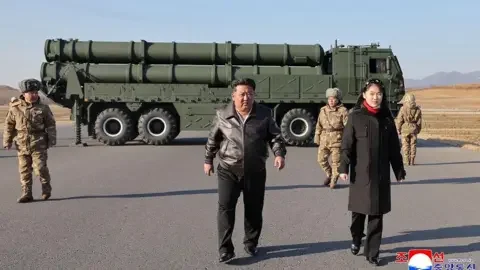
Read More: Kim Jong Un's Daughter May Be Next Leader of North Korea
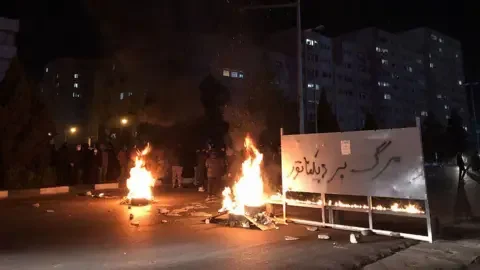
The 1953 Coup: A pivotal moment etched in Iranian memory is the 1953 coup d'état, orchestrated by the CIA and British intelligence, which overthrew the democratically elected Prime Minister Mohammad Mosaddegh and reinstated the Shah. This event sowed deep seeds of mistrust towards foreign powers, particularly the US, with many Iranians viewing it as a blatant disregard for their sovereignty.
Post-Revolution Tensions: Following the 1979 Islamic Revolution, relations further deteriorated. The Iran hostage crisis, where American diplomats were held captive for 444 days, cemented a narrative of animosity.
"Axis of Evil" and Sanctions: Later, Iran was labelled part of the "axis of evil" by the George W. Bush administration, leading to increased economic sanctions that have crippled the Iranian economy and disproportionately affected its citizens.
Nuclear Deal and its Aftermath: The Joint Comprehensive Plan of Action (JCPOA), or Iran nuclear deal, offered a glimmer of hope for normalization, but its withdrawal by the Trump administration in 2018, followed by the re-imposition of stringent sanctions, deepened Iran’s isolation and fueled internal discontent.
Read More: USA and Iran Talk About Nuclear Program
These historical episodes provide a crucial backdrop to understanding the current climate. When figures like Donald Trump make pronouncements about sending "help" or intervening, the echoes of past betrayals resonate loudly, creating a deep-seated skepticism among many Iranians.
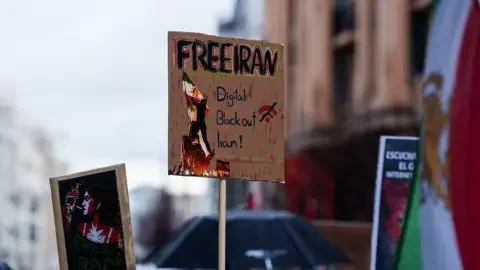
"Ultimately, regime change should come from within," a sentiment expressed by one observer, highlights the deep-seated belief that true liberation must be organically driven by the people, not imposed from the outside. Yet, the desperate situation on the ground has pushed some to reconsider.
The Conflicting Voices: Inside vs. Outside Iran
The discourse surrounding US involvement is starkly divided, mirroring the divisions within Iran itself and the Iranian diaspora.

Calls for External Support: For some Iranians, particularly those witnessing the brutal crackdown and fearing for their lives, external intervention, even military, appears as the only viable option. The feeling of being abandoned by the international community fuels these desperate pleas. Nazari, speaking to the BBC, noted that the people he communicates with “feel intervention is the only option."
Skepticism and Historical Trauma: Others, however, remain deeply wary, their memories of past US interventions fueling caution. The potential for unintended consequences, the risk of exacerbating suffering, and the inherent desire for self-determination weigh heavily on their minds. They question whether any foreign "help" would truly serve their interests or merely advance external agendas.
Read More: People Protest Worldwide Due to Money Problems
The divergence in these perspectives underscores the complexity of the situation:
| Group | Stated Position on US Intervention | Underlying Concerns/Hopes |
|---|---|---|
| Some inside Iran | Urging external support, including military action. | Desperation due to brutal crackdowns, feeling of abandonment. |
| Many inside Iran | Deep skepticism, preference for internal change, fear of blowback. | Historical trauma from past interventions, sovereignty concerns. |
| Iranian Diaspora | Divided; some advocate for pressure, others for caution. | Varying degrees of hope for regime change, fear of exacerbating suffering. |
Trump's Shifting Rhetoric: A Strategic Game?
Donald Trump’s engagement with the Iranian protests has been characterized by a series of bold statements, often delivered via social media, that have oscillated between encouragement and implied threats.
"Help is on its way": In the midst of the crackdown, Trump tweeted assurances to protestors: "Help is on its way." This declaration, coupled with promises of a "big price" for the regime, offered a beacon of hope for many who felt powerless.
Betrayal and Disappointment: However, as the crackdown intensified and no tangible "help" materialized, these pronouncements began to ring hollow. The execution of protestors, the forced confessions aired on state TV, and the continued violence left many feeling profoundly betrayed. The Guardian reported on how protesters felt let down when authorities doubled down on prosecutions, with no immediate US intervention to halt the bloodshed.
Threats of Military Action: Simultaneously, Trump openly considered military options. The BBC reported that he was briefed on options for military strikes, and that Iran warned of retaliation against Israel and US interests if attacked.
"All meetings cancelled": At one point, Trump declared "all meetings" cancelled until the "killing of protesters stops," further adding to the ambiguity of his stance.
Read More: Many Countries Disagree with Israel's West Bank Actions
"He hoped Trump’s help would arrive," is a poignant reflection of the dashed expectations. The stark contrast between the promise of imminent aid and the reality of continued repression raises critical questions about the sincerity and strategic intent behind Trump's statements. Was this a genuine, albeit poorly executed, offer of support, or a calculated piece of psychological warfare designed to destabilize the regime without direct military commitment?
The Limits of American Power: Can Military Force Truly Help?
The question of whether US military action can genuinely assist the Iranian people is a deeply contentious one, fraught with historical precedent and complex geopolitical considerations.
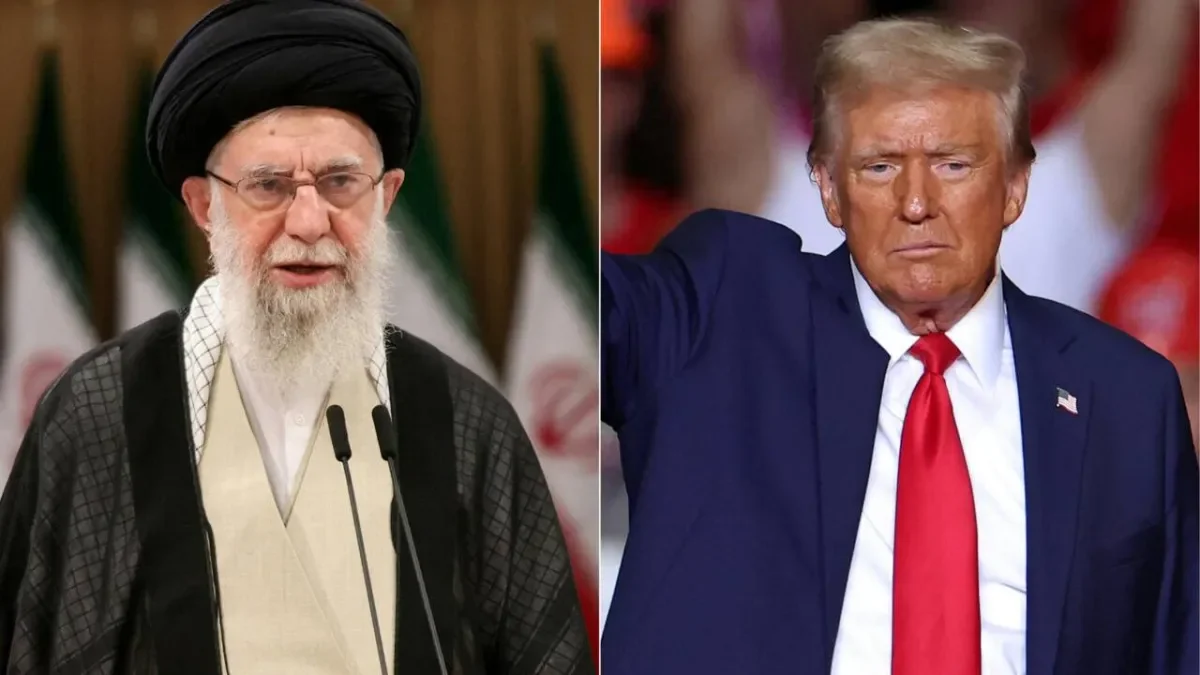
Escalation Risks: Iran has repeatedly warned that any US attack would trigger retaliation, potentially leading to a regional conflict. Supreme Leader Ayatollah Ali Khamenei has explicitly stated that an attack would “spark a regional conflict.” This raises the terrifying prospect of a wider conflagration, endangering not only Iran and its neighbors but also US interests.
Unintended Consequences: History shows that military interventions, even those with benevolent intentions, can have devastating unintended consequences. As argued by Just Security, “Military Force Will Not Help the People of Iran.” The use of force in June, following Iran's nuclear facility attacks, did not lead to more accommodating positions from the Iranian government. Instead, it risks hardening the regime's resolve and further alienating the population from foreign powers.
Targeting Repression vs. Regime Change: While some analysts suggest symbolic strikes targeting mechanisms of repression, others highlight the inherent difficulty of distinguishing between targets that advance US interests and those that destabilize the regime without genuinely empowering the people. A report from INSS outlines scenarios for US action, including symbolic strikes, but notes the regime's urgency to suppress protests “before the US threat materializes.”
Internal Dynamics: Ultimately, the desire for democratic governance and freedom must come from within Iran. While external pressure can play a role, “military strikes would succeed or not depending on their effect on Iran and the aspirations of the protesters,” as noted by Foreign Affairs.
Read More: Memorial for Nightclub Fire Victims Burns Down Again
| Potential US Action | Potential Iranian Response | Risks and Considerations |
|---|---|---|
| Symbolic Military Strike | Limited retaliation, increased internal crackdown. | May not deter regime, could be seen as ineffective, risks further alienating population. |
| Targeted Strikes (Repression) | Escalated regional conflict, retaliatory attacks on Israel/US. | Difficult to execute without collateral damage, could embolden hardliners. |
| Broader Intervention | Full-scale regional war, unpredictable long-term outcomes. | High human cost, potential for prolonged instability, US involvement fatigue. |
| No Military Action | Continued internal repression, ongoing US sanctions. | Risks further emboldening the regime, leaves protestors vulnerable, diplomatic paralysis. |
The Price of Silence and the Road Ahead
As the dust settles, the question remains: what was the true purpose behind the pronouncements of US support? The gap between Trump’s fiery rhetoric and the unfolding reality on the ground has left many Iranians feeling deeply disillusioned.
Unfulfilled Pledges: The narrative of the "unfulfilled US pledge for help" speaks volumes about the chasm between external promises and internal struggles.
The Future of US-Iran Relations: The ongoing cycle of sanctions, threats, and internal unrest points to a continued period of high tension. Iran’s openness to talks, as reported by The Guardian, suggests a desire to de-escalate, yet the fundamental distrust, fueled by past grievances and present anxieties, remains a significant hurdle.
Self-Determination as the Ultimate Goal: While external actors debate strategies, the Iranian people continue their courageous struggle for self-determination. The hope for a secular democracy, as articulated by figures like Prince Reza Pahlavi, hinges on their ability to forge their own future, free from both internal oppression and the potentially corrosive influence of foreign powers.
Read More: Red Sea Shipping Problems Cause Delays and Higher Costs
The lessons from this episode are stark: pronouncements of support without concrete action can be as damaging as outright hostility. For true change to take root in Iran, it must be driven by the will of its people, supported by a consistent and credible international community that respects their sovereignty and understands the profound complexities of their struggle. The question is not whether the US can help Iran, but whether its actions, past and present, have truly served the interests of the Iranian people or simply played into a larger geopolitical game.
Sources:
US intervention in Iran: What Iranians inside and outside the country say - BBC News: https://www.bbc.com/news/articles/cd0y0ld39y0o
‘He hoped Trump’s help would arrive’: why protesters in Iran feel betrayed - The Guardian: https://www.theguardian.com/world/2026/jan/18/why-protesters-iran-feel-betrayed
'Help is on its way,' Trump tells Iranians as he urges them to keep protesting - live updates - BBC News: https://www.bbc.com/news/live/cj691w2e840t
Iran warns it will retaliate if US attacks, as hundreds killed in protests - BBC News: https://www.bbc.com/news/articles/cm2jek15m8no
As U.S. pledge for help goes unfulfilled, Iran’s uprising meets brutal crackdown - PBS NewsHour: https://www.pbs.org/newshour/show/as-u-s-pledge-for-help-goes-unfulfilled-irans-uprising-meets-brutal-crackdown
Iran says it is open to talks with US amid protest crackdown - The Guardian: https://www.theguardian.com/world/2026/jan/12/iran-protests-donald-trump-us-military-options
Military Force Will Not Help the People of Iran - Just Security: https://www.justsecurity.org/129024/military-force-not-help-people-iran/
US citizens should ‘leave Iran now’, says US state department – as it happened - The Guardian: https://www.theguardian.com/world/live/2026/jan/13/iran-protest-crackdown-regime-crisis-us-donald-trump-tariffs-latest-updates
Calls by Iranians for US strike grow as Trump delays action - Iran International: https://www.iranintl.com/en/202601170036
US strike, if it happens, would seek to topple Iran’s government, analyst says - Iran International: https://www.iranintl.com/en/202601113527
Iran and the Limits of American Power - Foreign Affairs: https://www.foreignaffairs.com/iran/iran-and-limits-american-power
Iran's supreme leader warns of regional war if US attacks - BBC News: https://www.bbc.com/news/articles/cx20z5nv9jxo
US President Donald Trump aims to keep everyone guessing over Iran action - BBC News: https://www.bbc.com/news/articles/c801dg2lk1xo
Strategic Assessment: Scenarios for US Intervention in the Unrest in Iran and Possible Iranian Responses - INSS: https://www.inss.org.il/publication/iran-usa-protests/
Khamenei sheltering in Tehran bunker as US fleet approaches - Iran International: https://www.iranintl.com/en/liveblog/202601148856
Iran–United States relations - Wikipedia: https://en.wikipedia.org/wiki/Iran%E2%80%93UnitedStatesrelations

:max_bytes(150000):strip_icc():focal(612x1166:614x1168)/Switzerland-accident-fire-020826-02-7cbc5d49ad0f413883178cfd825a77de.jpg)

