

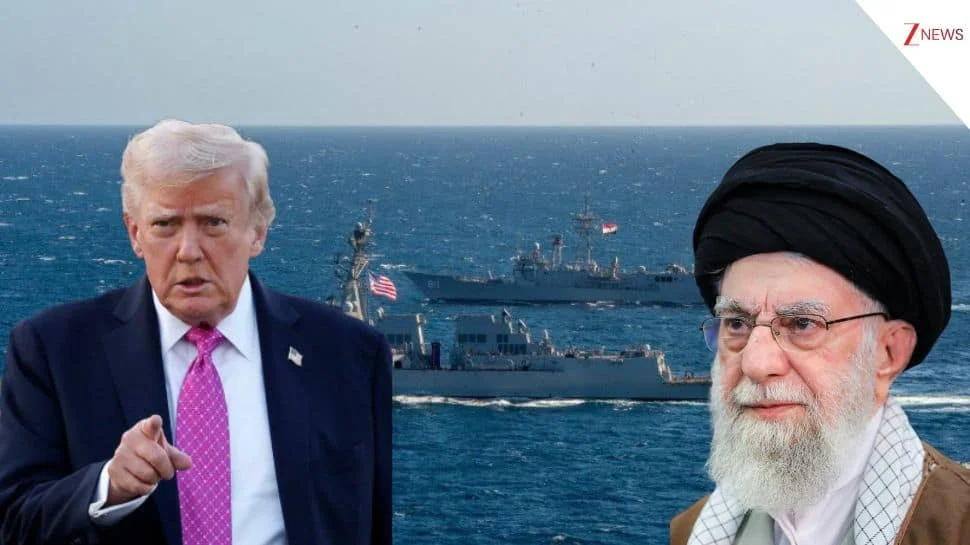
The world watches with bated breath as former US President Donald Trump issues a chilling ultimatum to Iran's Supreme Leader, Ayatollah Ali Khamenei: "He should be very worried." This stark warning comes precisely as critical nuclear talks between the two nations are set to resume in Oman. The juxtaposition of escalating rhetoric and impending diplomacy begs a fundamental question: Is this a desperate gambit to force concessions, or is it the ominous prelude to a renewed, potentially devastating, conflict? The stakes are immense, not just for the Middle East, but for global stability and the very future of nuclear proliferation.
A Shadow of Nuclear Ambitions and Past Confrontations
The current standoff is not an isolated incident; it's a chapter in a long, volatile history between the United States and Iran. Decades of animosity, punctuated by proxy conflicts and periods of heightened tension, have forged a complex relationship.
Read More: Kim Jong Un's Daughter May Be Next Leader of North Korea
The Nuclear Deal's Ghost: The Joint Comprehensive Plan of Action (JCPOA), signed in 2015 under President Obama, aimed to curb Iran's nuclear program in exchange for sanctions relief. However, President Trump withdrew the US from the deal in 2018, reimposing harsh sanctions and sparking a period of severe escalation. Critics argued this move emboldened Iran, while supporters claimed it was necessary to curb Iran's nuclear ambitions and regional activities.
The 12-Day War and Subsequent Strikes: Recent reports suggest a period of intense conflict, referred to as a "12-day war," culminating in US military strikes on three Iranian nuclear facilities in June of an unspecified year. Trump himself has claimed responsibility for these strikes, asserting that the US "wiped out their nuclear program." Yet, the current resumption of nuclear talks suggests otherwise, or at least that Iran has sought to rebuild or relocate its capabilities.
Protests and US Support: Trump has also stated his support for the Iranian protestors who have demonstrated against the regime, even hinting at intervention during past clampdowns. However, he has stopped short of direct military action in support of these movements, leaving a complex legacy of rhetoric versus action.
Key Insight: The narrative of US military success in "obliterating" Iran's nuclear program clashes directly with the urgency of current nuclear talks. This discrepancy raises significant questions about the actual state of Iran's nuclear capabilities and the sincerity of both sides' stated objectives.
Read More: Trump Disagrees with Federalist Society, Judge Stops His Courtroom Talk

The Looming Summit: A Fragile Hope in Oman
The decision to hold talks in Oman, rather than the initially proposed Istanbul, signifies a significant diplomatic maneuver. Iran insisted on this shift, emphasizing a desire for discussions focused solely on its nuclear program, rejecting broader US demands concerning its ballistic missiles and regional proxies.
| Feature | Initial Proposal (Istanbul) | Revised Venue (Oman) | Iran's Stated Preference | US Stated Hopes |
|---|---|---|---|---|
| Location | Turkey | Oman | Oman (conditional acceptance) | - |
| Scope of Discussion | Nuclear + Regional Track | Nuclear Program Only | Nuclear Program Only | Nuclear, Missiles, Proxies, HR |
| Negotiating Format | Broader regional observers | Bilateral focus | Bilateral focus | Broader regional engagement |
Signal: Iran's firm stance on a bilateral, nuclear-centric discussion, and its successful negotiation of the venue change to Oman, suggests a strategic move to control the narrative and limit the scope of concessions. It indicates a potential willingness to negotiate on nuclear issues, but a clear rejection of broader US demands that they perceive as infringements on sovereignty.
Trump's Rhetorical Barrage: Coercion or Bluff?
Trump's repeated pronouncements that Ayatollah Khamenei "should be very worried" serve as a potent rhetorical weapon. This isn't just idle talk; it's a calculated strategy to project strength and sow anxiety within the Iranian leadership.
Read More: People Protest Worldwide Due to Money Problems
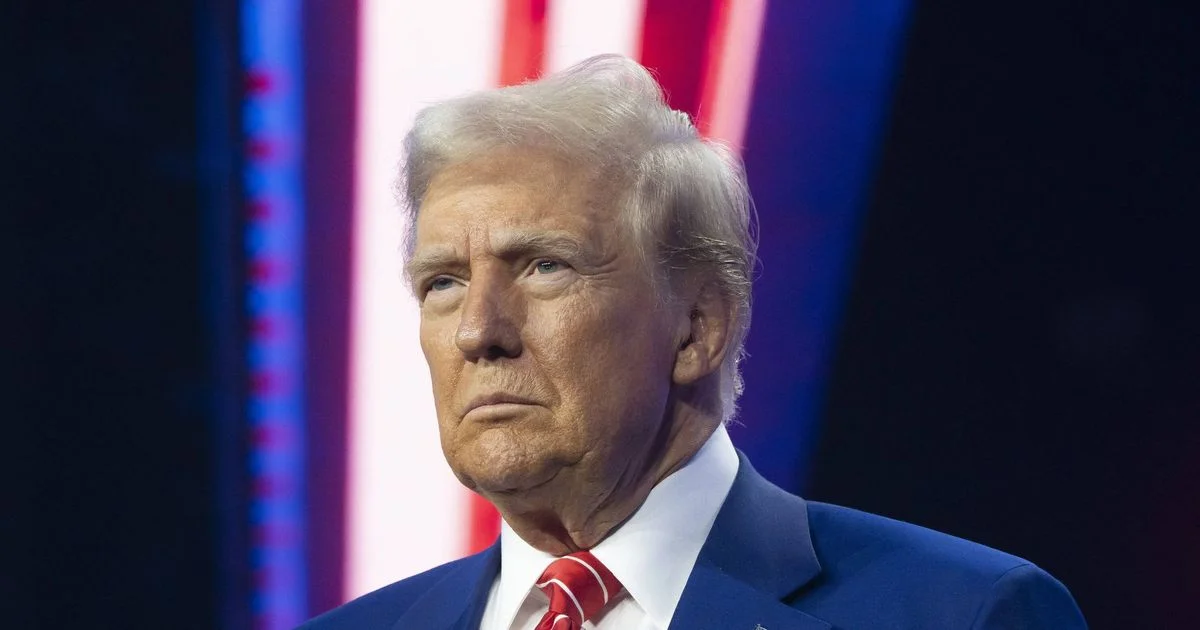
"He should be,” Trump told NBC News in an interview on Wednesday.Source: CNN
This aggressive posture, coupled with reports of US military deployments, paints a picture of a nation prepared for conflict. But is this genuine readiness, or a high-stakes bluff designed to extract maximum concessions at the negotiating table?
Military Posturing: Reports of US military deployments alongside Trump's stern warnings suggest a dual-track approach: diplomacy backed by the implicit threat of force. The mention of an Iranian drone approaching the USS Abraham Lincoln carrier adds a recent, concrete incident to this narrative of heightened military tension.
Economic Pressure: The jump in oil prices following Trump's statements highlights the global economic implications of this escalating rhetoric. This economic sensitivity can be a tool for leverage, both for the US and Iran.
Internal Iranian Dynamics: How will Khamenei's regime respond internally to such direct and public threats? Will it galvanize hardliners, or create space for more pragmatic voices within the government who might see dialogue as a necessary path?
Read More: Lawmakers Question Attorney General Bondi on Epstein Files
Crucial Question: If the US military has indeed "obliterated" Iran's nuclear program as Trump claims, why the renewed focus on nuclear talks? Is the current program a resurgence, or was the initial assessment flawed?
Beyond the Nuclear: A Web of Geopolitical Tensions
The heart of the disagreement lies not just in Iran's nuclear aspirations but also in its broader regional activities. The US, supported by some regional allies, has consistently sought to address Iran's ballistic missile program and its alleged support for proxy groups across the Middle East.
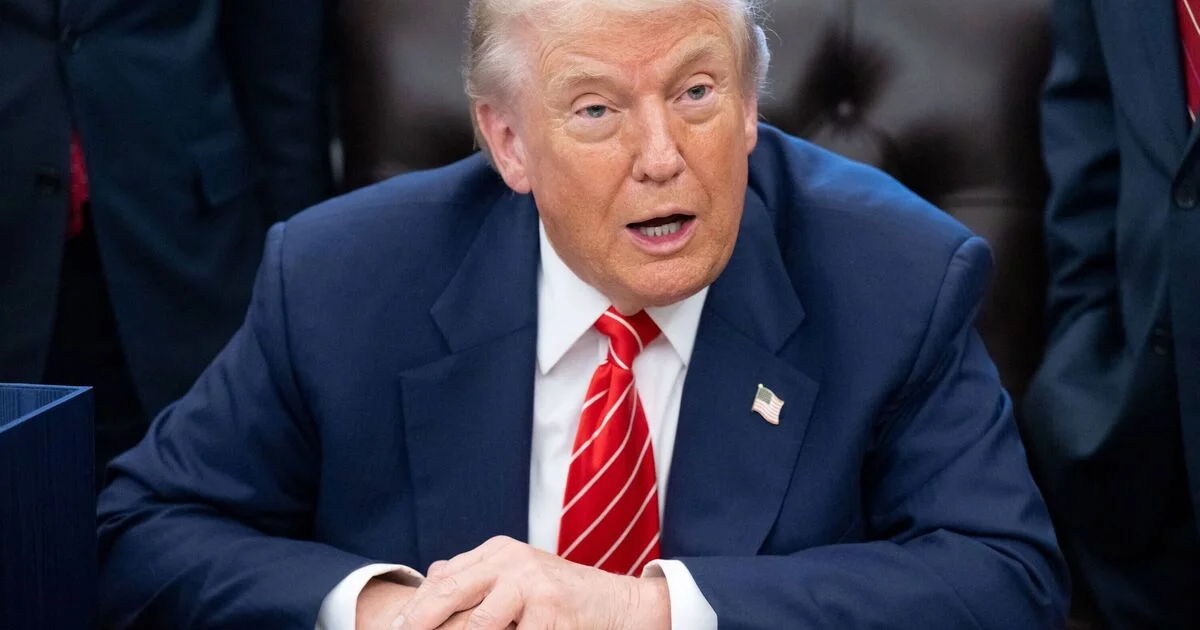
Ballistic Missiles: Iran's top military commanders have asserted their country has bolstered its deterrence capabilities through upgrades to domestically produced ballistic missile systems. This is a direct challenge to US and Israeli security concerns.
Regional Proxies: Allegations of Iran's support for groups like Hezbollah and Houthi rebels are a constant source of friction, contributing to instability in regions like Yemen and Lebanon.
Human Rights: Recent protests within Iran have brought the regime's human rights record under international scrutiny. The US has expressed solidarity with protestors, adding another layer of complexity to the diplomatic discussions.
Read More: Memorial for Nightclub Fire Victims Burns Down Again
Underlying Tension: The US desires a comprehensive deal addressing Iran's "destabilizing" regional behavior, while Iran views such demands as interference in its sovereign affairs and a violation of its national security interests. This fundamental clash of perspectives makes a breakthrough exceedingly difficult.
The Expert Perspective: A Tightrope Walk
Analysts are divided on the true intentions and potential outcomes of this diplomatic dance. Some see Trump's warnings as a necessary shock to jolt Iran back to the negotiating table with a serious intent to de-escalate. Others view it as a dangerous game of brinkmanship that could easily spiral out of control.
"Washington and Tehran are gearing up to resume nuclear talks this week."Source: India Today
"US Secretary of State Marco Rubio said the United States was open to talks but made clear they must go well beyond Iran’s nuclear programme."Source: India Today
Read More: Congress Leader Accuses Finance Minister of Lying to Parliament About WTO Deal
Expert Consensus (implied): The path to genuine de-escalation is fraught with peril. The US is pushing for a broad agenda, while Iran is attempting to confine discussions to the nuclear issue. The success of these talks hinges on finding a delicate balance, a feat made more challenging by the bellicose rhetoric employed.

Conclusion: A Crossroads for Diplomacy and Conflict
Donald Trump's stark warning to Iran's Ayatollah Khamenei, issued on the cusp of crucial nuclear talks, is a high-stakes move laden with ambiguity. While the resumption of dialogue in Oman offers a sliver of hope for diplomatic resolution, the underlying tensions and conflicting objectives remain profound.
The claims of having "obliterated" Iran's nuclear program clash with the urgent need for negotiations, suggesting either a miscalculation of past events or a deliberate obfuscation. The US insistence on broadening the talks beyond nuclear issues, to encompass missiles and regional proxies, is a non-starter for Iran, which views these as inviolable aspects of its national security.
Read More: Epstein Files Cause Problems for Keir Starmer
What is the true state of Iran's nuclear program?
Are Trump's threats a genuine precursor to military action, or a negotiating tactic?
Can diplomacy bridge the chasm between US demands for regional de-escalation and Iran's focus on its sovereignty?
What role will regional powers play, and how will they react to potential escalations?
The world watches as these diplomatic machinations unfold, recognizing that the path chosen in Oman will have far-reaching consequences, potentially shaping the future of international security for years to come. The shadow of military conflict looms large, a constant reminder of the precariousness of the current moment.
Sources:
CNN: https://www.cnn.com/2026/02/05/middleeast/iran-warning-trump-nbc-interview-intl-hnk
Zee News: https://zeenews.india.com/world/trump-issues-stark-warning-to-irans-ayatollah-he-should-be-very-worried-as-nuclear-talks-loom-and-us-military-deploys-3014152.html
Daily Star: https://www.dailystar.co.uk/news/us-news/donald-trump-warns-irans-supreme-36671891
The Express: https://www.the-express.com/news/us-news/198219/trump-issues-warning-irans-supreme
India Today: https://www.indiatoday.in/world/story/he-should-be-very-worried-trump-warns-irans-supreme-leader-ayatollah-ali-khamenei-ahead-of-oman-talks-2863288-2026-02-05
India.com: https://www.india.com/news/world/he-should-be-very-worried-donald-trump-issues-warning-to-irans-supreme-leader-ayatollah-khamenei-ahead-of-oman-talks-world-news-iran-us-tension-8294735/
The National: https://www.thenationalnews.com/news/us/2026/02/04/irans-khamenei-should-be-very-worried-trump-says/
Swarajyamag: https://www.swarajyamag.com/world/trump-warns-irans-khamenei-should-be-very-worried-as-nuclear-talks-set-to-be-held-in-oman-on-friday
Times of Israel: https://www.timesofisrael.com/us-iran-talks-back-on-track-after-trump-warns-khamenei-should-be-very-worried/
CNBC: https://www.cnbc.com/2026/02/04/oil-prices-jump-on-report-us-iran-nuclear-talks-are-collapsing.html
The Tribune: https://www.tribuneindia.com/news/ayatollah-ali-khamenei/irans-supreme-leader-should-be-very-worried-says-us-president-trump-135810
NDTV: https://www.ndtv.com/world-news/irans-supreme-leader-should-be-very-worried-trump-ahead-of-oman-talks-10955699
Firstpost: https://www.firstpost.com/world/from-ayatollah-should-be-very-worried-to-talking-peace-us-iran-talks-collapse-and-revival-13976376.html
Read More: Keir Starmer Faces Questions After Top Civil Servant Leaves and Controversial Appointments


:max_bytes(150000):strip_icc():focal(612x1166:614x1168)/Switzerland-accident-fire-020826-02-7cbc5d49ad0f413883178cfd825a77de.jpg)


