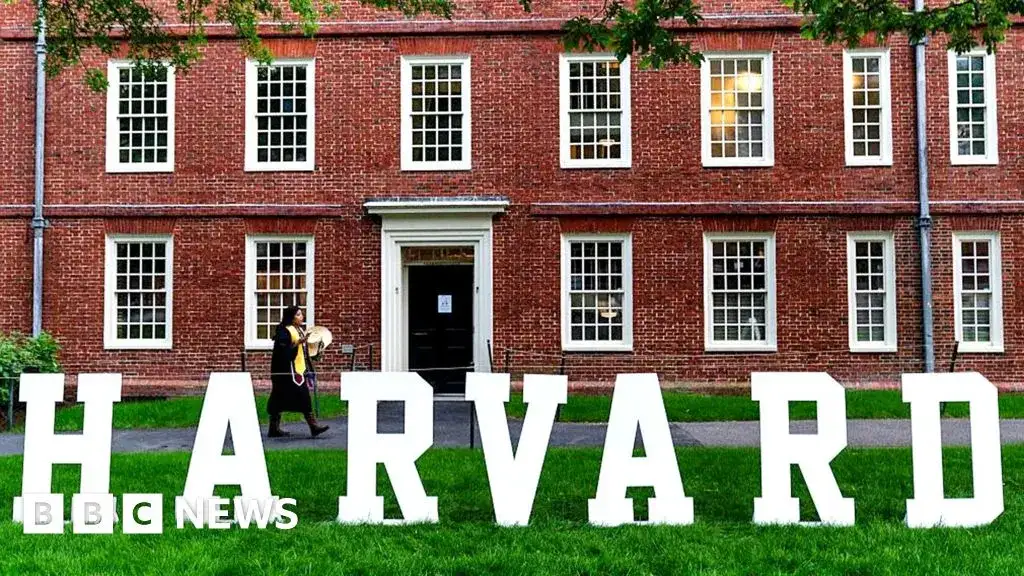
A CASINO BOSS DEMANDS A MILLION-DOLLAR PAYOUT FROM THE IVY LEAGUE'S MOST FAMOUS SCHOOL. BUT WHAT'S THE REAL GAME?
This isn't just about money; it's a high-stakes power play. President Trump is now publicly demanding a staggering $1 billion in damages from Harvard University. This demand, announced via his Truth Social platform, comes after months of tense, private negotiations that have spilled into the public arena. The President’s declaration, “We are now seeking One Billion Dollars in damages, and want nothing further to do, into the future, with Harvard University,” suggests a dramatic escalation and a desire for a clean break. But what exactly are these alleged "serious and heinous illegalities" that warrant such an astronomical sum? And why Harvard, of all institutions? The university, for its part, has remained largely silent, neither confirming nor denying the latest demands, leaving us to sift through the conflicting narratives.
THE CONTEXT: A LEGAL TANGLE SPANNING MONTHS
This recent demand isn't an isolated incident; it's the latest move in a prolonged, increasingly bitter feud between the Trump administration and Harvard University. The conflict appears to have its roots in a confluence of issues, primarily revolving around federal funding and accusations of how the university handled protests.
Read More: Taiwan Holds Nantou County Drills to Prepare for State Collapse
Here's a timeline of key events and actors involved:
Background Accusations: Trump officials have repeatedly accused Harvard, and other universities, of failing to adequately address antisemitism during pro-Palestinian demonstrations. This has been framed by the administration as a failure to protect Jewish students.
Funding Freeze: The administration threatened to withhold, and in some cases did withhold, significant federal funding from Harvard. This included research grants, which are critical to the university's operations.
Legal Battles Emerge: Harvard, unlike some other Ivy League schools that opted for different negotiation strategies, took a more direct route by suing the federal government. They challenged the funding freezes.
Judicial Rulings:
U.S. District Judge Allison Burroughs issued a crucial ruling in September, blocking a specific policy and calling the funding freeze part of a "government-initiated onslaught" that was "much more about promoting a governmental orthodoxy in violation of the First Amendment than about anything else." This ruling directly challenged the administration's stated reasons for the funding cuts.
Separately, a US federal court later overturned billions in funding cuts, asserting the government had violated the university's free speech rights.
In December, the administration appealed a judge's ruling that found they had unlawfully terminated over $2 billion in grants to Harvard.
Negotiations for Settlement: For months, officials from Harvard and the White House have been engaged in discussions, reportedly aiming for a deal to restore federal funding and potentially end ongoing lawsuits.
Conflicting Reports on Negotiations: A New York Times report, citing anonymous sources within the administration and on the Harvard side, suggested that the administration had dropped its demand for cash payments. This report seems to have been the catalyst for Trump's public declaration of seeking $1 billion.
Other Universities' Deals: Some peer institutions, like Columbia University, have reportedly reached settlements with the administration. Columbia agreed to pay $200 million and comply with certain admissions and hiring rules.
THE $1 BILLION QUESTION: WHAT HARM HAS HARVARD ALLEGEDLY CAUSED?
President Trump’s demand for $1 billion is an enormous figure, yet the specific harms or illegalities leading to this demand remain conspicuously vague. While Trump officials have cited concerns over antisemitism and the promotion of "woke" ideology, the actual damages and the legal basis for such a demand are unclear.

Here's what we know and what remains in question:
Public Statements: Trump stated on Truth Social, "We are now seeking One Billion Dollars in damages, and want nothing further to do, into the future, with Harvard University."
Alleged Justifications:
Failure to adequately tackle antisemitism during pro-Palestinian protests.
Accusations of promoting "woke" ideology.
Lack of Specificity: The demand lacks detailed articulation of:
The precise illegal acts committed by Harvard.
The quantifiable economic or non-economic damages suffered by the government or specific parties.
The legal framework under which such damages can be sought from a university in this context.
Previous Settlement Talk: Reports earlier suggested negotiations were nearing a $500 million settlement, which would include the opening of new trade schools. However, the latest demand for $1 billion suggests a significant shift or an aggressive negotiation tactic.
Court Findings: Judge Burroughs's ruling characterized the government's actions as an "onslaught" and questioned the underlying motives, suggesting the fight was "much more about promoting a governmental orthodoxy in violation of the First Amendment." This casts doubt on the administration's claims of seeking damages for concrete harms.
"The government had unlawfully terminated some grants for the university." - US News
The core issue is the lack of a clear, legally defined harm that warrants a $1 billion damage claim against Harvard. The administration's stated reasons, coupled with judicial findings, point towards a more complex and possibly politically motivated dispute.
Read More: SUNY Brockport Changes Focus to Local Jobs and Economy
THE LONG SHADOW OF FEDERAL FUNDING
Harvard University, like many research institutions, is heavily reliant on federal funding for its groundbreaking work. This financial dependency has been a significant factor in the administration's leverage and, perhaps, a primary driver of the conflict.

Scale of Funding: The Trump administration's actions involved blocking or appealing rulings that would have cut off research grants potentially worth billions of dollars.
Strategic Importance: Federal grants are not just funding; they are essential for research, faculty salaries, and the overall operational capacity of a university.
The Appeal: The administration's December appeal against a judge's ruling that blocked the termination of over $2 billion in grants underscores the sheer magnitude of the financial stakes involved.
Alternative Approaches: While Harvard chose to litigate, other institutions, such as Columbia University, reportedly engaged in settlement talks, agreeing to financial concessions and policy changes to secure continued funding. Columbia's deal, reportedly worth $200 million, offers a benchmark for the administration's expectations from other universities.
"The administration has cancelled hundreds of grants for Harvard researchers, saying the university failed to do enough to address harassment of Jewish students, which prompted the institution to take legal action." - Sky News
The administration's power to control federal funding has been wielded as a potent weapon, forcing universities into difficult positions where they must choose between defending their autonomy or securing essential financial resources.
FREE SPEECH VERSUS UNIVERSITY POLICY: A DIVIDED COURT
The legal battles have repeatedly pitted the administration's directives against the university's rights, particularly concerning free speech and academic freedom. Judicial interpretations have, at times, sided with Harvard, challenging the administration's narrative and actions.
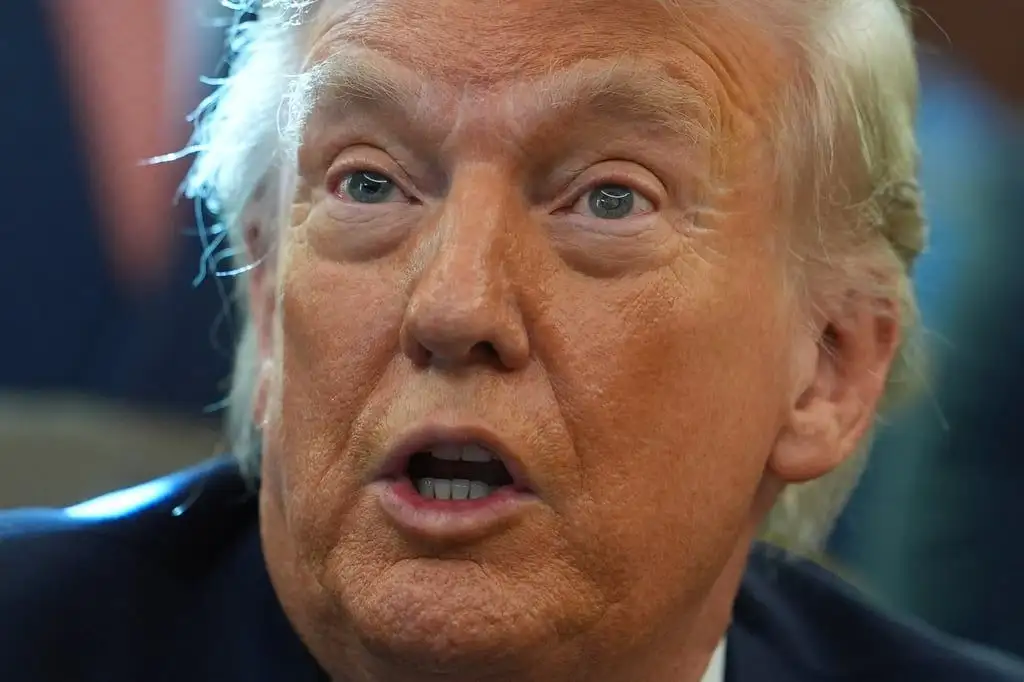
Here's a breakdown of the judicial landscape:
Judge Burroughs's Scathing Review: In her September ruling, Judge Allison Burroughs characterized the administration's actions as an unlawful "onslaught."
Reasoning: She suggested the moves were aimed at imposing a "governmental orthodoxy," infringing upon the First Amendment rights of the university and its affiliates, rather than solely addressing concerns like antisemitism.
Overturned Funding Cuts: A subsequent federal court ruling validated Harvard's claims, overturning significant funding cuts and asserting that the government had violated the university's free speech rights.
Appeals: Despite these setbacks, the Justice Department announced its intention to appeal these rulings, indicating the administration's resolve to continue its legal challenges.
The University's Legal Action: Harvard itself initiated legal proceedings against the federal government after the funding freeze and the ban on international students, demonstrating its willingness to fight back in court.
| Court Ruling/Action | Date (Approx.) | Outcome | Significance |
|---|---|---|---|
| Burroughs Ruling | September | Blocked specific policy, criticized govt. actions | Highlighted potential First Amendment violations and government overreach. |
| Funding Cut Appeal | December | Govt. appealed ruling that restored grants | Demonstrated continued administration resistance to restoring full federal funding. |
| Later Federal Court | Post-September | Overturned billions in funding cuts | Affirmed the university's free speech rights and deemed the funding freeze unlawful. |
"Mr. Trump told reporters last September that negotiators were close to reaching a $500 million settlement with Harvard, with part of the deal including a plan to open new trade schools." - CBS News
The judiciary's involvement has complicated the administration's strategy, with rulings suggesting that its actions may have overstepped legal boundaries and infringed upon fundamental rights, particularly those protected by the First Amendment.
Read More: FBI Analysts Review Georgia 2020 Election Data in Fulton County
WHAT'S NEXT? A BILLION-DOLLAR STANDOFF AND AN UNCERTAIN FUTURE
President Trump's demand for $1 billion from Harvard marks a dramatic shift from the behind-the-scenes negotiations, turning a complex dispute into a very public spectacle. The university's silence is telling; it suggests a strategy of careful consideration, possibly weighing the costs of continued legal battles against the implications of any settlement.
The President's Stance: Trump's "want nothing further to do, into the future, with Harvard University" declaration on Truth Social implies a desire for a decisive end to the conflict, but the demand for damages suggests he seeks a financial victory as well.
Harvard's Options: The university faces several paths:
Refuse the Demand: Continue to fight the administration in court, relying on previous judicial victories.
Negotiate: Re-engage in settlement talks, potentially aiming to understand the basis for the $1 billion claim or to reach a new agreement.
Seek Clarity: Publicly, or through legal channels, request specific details about the alleged damages to understand the basis of the demand.
Broader Implications: This standoff has implications far beyond Harvard. It signals a new level of assertiveness from the administration in its dealings with academic institutions. The outcome could set precedents for how universities engage with government funding and how their autonomy is protected.
The Role of Media: The New York Times' report, which seemingly triggered Trump's public statement, highlights the influential role of investigative journalism in shaping public perception and influencing the course of high-stakes negotiations.
The path forward is uncertain. Whether this $1 billion demand is a genuine claim, a negotiating tactic, or a political statement, it has undeniably intensified the feud and cast a spotlight on the delicate balance between governmental oversight, academic freedom, and the pursuit of justice. The next move, or lack thereof, from Harvard will be keenly watched.
SOURCES
CNN: Trump ups demands from Harvard, seeks $1 billion settlement after months of strained talkshttps://www.cnn.com/2026/02/03/us/harvard-university-trump-settlement-hnk
CBS News: Trump says his administration is seeking $1 billion in talks with Harvardhttps://www.cbsnews.com/news/trump-harvard-one-billion-dollars-in-talks/
BBC News: Trump seeks $1bn in damages from Harvardhttps://www.bbc.com/news/articles/crkryely657o
CNBC: Trump seeks $1 billion from Harvard University in damageshttps://www.cnbc.com/2026/02/03/trump-seeks-1-billion-from-harvard-university-in-damages-.html
Sky News: Donald Trump seeks $1bn in damages from Harvard Universityhttps://news.sky.com/story/donald-trump-seeks-1bn-from-harvard-university-in-legal-clash-13502633
SCMP: Trump says seeking US$1 billion from Harvard in ‘damages’https://www.scmp.com/news/world/united-states-canada/article/3342201/trump-says-seeking-us1-billion-harvard-damages
US News: Trump Seeks $1 Billion From Harvard as Deal Proves Elusivehttps://www.usnews.com/news/top-news/articles/2026-02-02/trump-seeks-1-billion-from-harvard-university-in-damages