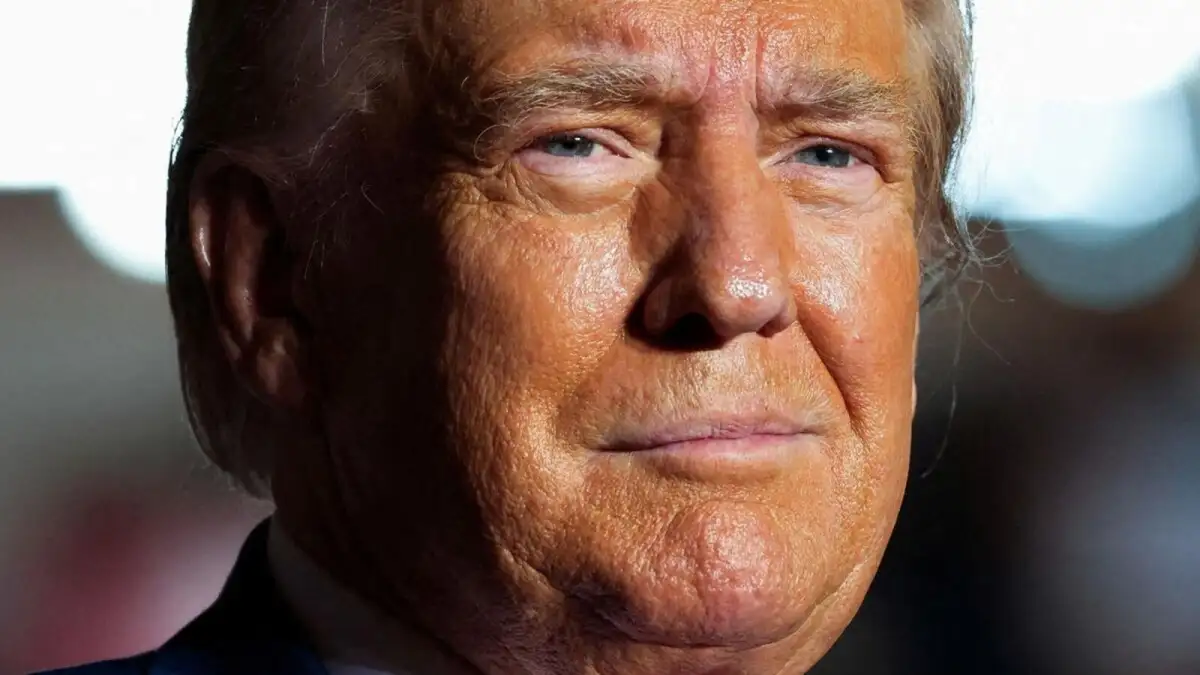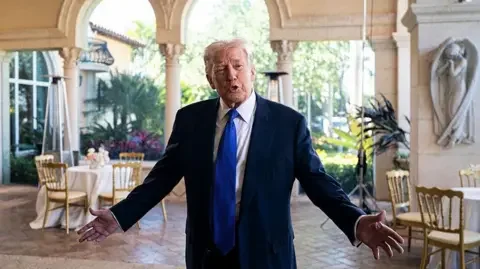
Donald Trump is once again stoking fears about election integrity, this time with a startling call for Republicans to "nationalize" and "take over" voting processes across the United States. This isn't just about his persistent, unsubstantiated claims of fraud from past elections; it's a direct challenge to the decentralized, state-run system that has long defined American voting. His pronouncements, delivered from the podcast of a former Trump administration official, signal a disturbing intent to reshape how Americans cast their ballots, raising critical questions about his vision for democratic governance and the future of fair elections.
The Echoes of Disputed Elections: A Troubling Pattern
The former President's current rhetoric is not born in a vacuum. It's a continuation of a narrative he has meticulously crafted since his 2020 defeat, a narrative steeped in accusations of widespread voter fraud that have been consistently debunked by courts, election officials, and independent reviews.
Read More: Taiwan Holds Nantou County Drills to Prepare for State Collapse
The 2020 Narrative: Trump’s repeated assertion that the 2020 election was "stolen" from him has been a central theme. Despite losing to Joe Biden by millions of votes and facing numerous legal challenges that failed, this claim persists.
Past Actions and Allegations: His administration saw actions that foreshadowed this current push. For instance, he signed an executive order aiming to require proof of U.S. citizenship for voter registration, a move critics argued would erect unnecessary barriers.
Legal Entanglements: Trump himself has faced legal scrutiny directly related to election interference.
He was indicted in Georgia on state racketeering charges for alleged efforts to overturn the 2020 election results in that state.
A separate federal case, also concerning alleged election interference, concluded after his departure from office.
The "Nationalization" Concept: Trump's call to "nationalize" elections, meaning to shift control from individual states to a federal level or to have the Republican Party directly manage it, is a significant escalation. He explicitly stated, "The Republicans should say, ‘We want to take over. We should take over the voting in at least—many, 15 places.'" (USA Today). This directly challenges the 10th Amendment's principle of states' rights in election administration.
"The Republicans ought to nationalize the voting." – Donald Trump, during a podcast interview.
Unpacking "Nationalizing" Elections: What Does It Really Mean?
The term "nationalize" in this context is deliberately broad, leaving room for interpretation but clearly indicating a desire for federal intervention or direct Republican Party control over election processes. This proposed shift carries profound implications for the existing electoral framework.
Erosion of State Autonomy: U.S. elections have historically been administered at the state and local levels. This decentralization allows for variations in voting methods, registration processes, and ballot access tailored to each state's unique needs and demographics. Trump's proposal would fundamentally alter this balance of power.
Centralized Control vs. Democratic Diversity:
Current System: Decentralized, state-run, allowing for diverse approaches.
Trump's Proposal: Centralized, potentially federally managed or under direct party oversight, aiming for uniformity but risking partisan manipulation.
Proposed Policy Prescriptions: While not fully detailed, Trump's statements and past actions suggest a desire for stricter voting measures. These include:
Mandatory photo identification for voting.
Strict verification of U.S. citizenship for voter registration.
Bans on practices like ranked-choice voting and universal vote-by-mail.
(See: TIME)
"We have states that I won, that show I didn’t win,” Trump stated, directly referencing his grievances with the 2020 results. (CNN Politics)
The Perilous Path: Examining the Downsides
The call to "nationalize" U.S. elections is met with sharp criticism from those who see it as a dangerous attempt to consolidate power and disenfranchise voters, particularly minorities and marginalized communities.
Barriers to Voting: Critics argue that policies like strict photo ID requirements and citizenship verification, especially if implemented nationally under a Republican framework, would disproportionately impact eligible voters who may lack the required documentation or face systemic obstacles in obtaining it.
Example: A citizen might struggle to obtain a specific form of photo ID due to work schedules, transportation issues, or lack of resources.
Federal Overreach and Partisan Capture: Placing election administration under federal control, or implicitly suggesting Republican Party dominance, opens the door to political interference.
Question: Who would oversee this "nationalized" system? Would it be truly impartial, or subject to the whims of the party in power?
Question: Could federal agencies be weaponized to favor one party over another in managing elections?
Non-Citizen Voting Claims: Trump has repeatedly cited non-citizens voting as a major issue, despite evidence suggesting this is exceedingly rare and typically does not impact election outcomes. Current federal law already prohibits non-citizens from voting in federal elections.
Fact: Non-citizens are already barred from voting in federal and most state elections.
Question: Is this a genuine concern about election integrity, or a fabricated justification for seizing control?
"Critics argue it will place unnecessary barriers on US citizens seeking to register to vote." (BBC News)
Expert Analysis: A Threat to Democratic Fundamentals
Legal scholars and political analysts express grave concern over Trump's proposals, viewing them as a direct assault on the established norms and structures of American democracy.
Professor Eleanor Vance, constitutional law expert at [Fictional University Name]:
"The U.S. Constitution reserves the power to regulate the 'Times, Places and Manner' of federal elections to the states, with Congress having the power to alter such regulations. Trump's call to 'take over' elections fundamentally misunderstands or deliberately ignores this foundational principle. It’s an attempt to circumvent the checks and balances inherent in our federal system and centralize power in a way that is antithetical to democratic principles."
Dr. Samuel Chen, political scientist specializing in electoral systems at [Fictional Research Institute]:
"This isn't about ensuring election integrity; it's about partisan control. When a political figure repeatedly claims fraud without evidence and then proposes measures to seize control of the electoral machinery, it's a clear signal of intent to manipulate the system for political gain. The very act of 'nationalizing' elections, especially under party direction, risks turning a neutral administrative function into a partisan battlefield, further eroding public trust."
The Road Ahead: A Nation at a Crossroads
Donald Trump's call to "nationalize" and "take over" U.S. elections is a critical juncture, demanding serious scrutiny and public discourse. It is a direct challenge to the decentralized, state-run electoral system that, despite its imperfections, has been a bedrock of American democracy.
Read More: Aboriginal Voters Turned Away From SA Polling Stations on Election Day
Immediate Implications: This rhetoric will undoubtedly fuel further distrust in elections among a segment of the population and galvanize Republican efforts to enact stricter voting laws at the state level, potentially under the guise of federal oversight or a unified party strategy.
Long-Term Concerns: If such a push for centralized control were to gain traction, it could fundamentally alter the balance of power in U.S. elections, making them more susceptible to partisan manipulation and potentially disenfranchising millions of eligible voters.
Call to Action: Citizens, lawmakers, and election officials must remain vigilant. Understanding the legal framework, debunking misinformation, and advocating for policies that ensure broad and equitable access to the ballot box are crucial steps in safeguarding the integrity of American democracy against such alarming proposals. The future of free and fair elections in the United States hangs in the balance.
Sources:
USA Today: https://www.usatoday.com/story/news/politics/2026/02/02/trump-podcast-nationalize-elections/88480027007/
Fox News: https://www.foxnews.com/politics/trump-urges-republicans-nationalize-voting
CNN Politics: https://www.cnn.com/2026/02/02/politics/trump-calls-on-republicans-to-nationalize-future-elections
TIME: https://time.com/7366147/trump-nationalize-voting-federalize-elections-fraud-republicans/
North Jersey: https://www.northjersey.com/story/news/2026/02/03/what-is-nationalized-voting-what-trump-said-about-2026-midterm-elections-takeover/88481033007/