


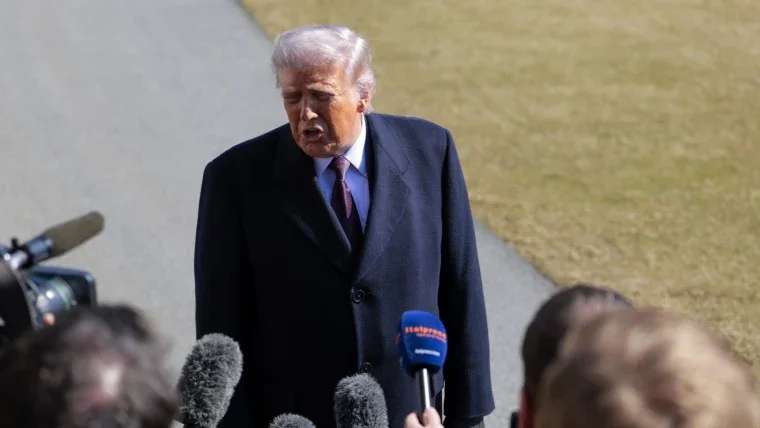
WASHINGTON D.C. - Statements from President Donald Trump indicate a shifting focus toward Cuba, with indications that Secretary of State Marco Rubio is being positioned to engage once operations in Iran conclude. Trump has explicitly stated, "Cuba's ready — after 50 years," suggesting a long-anticipated move. The timing and nature of any engagement remain undefined, described by Trump as contingent on finishing current priorities and waiting "a couple of weeks."
The renewed attention on Cuba arrives amidst ongoing military actions, including strikes against Iran and a prior operation targeting Venezuela. Cuba has stated that 32 of its citizens were killed during an unspecified attack, and its access to Venezuelan oil has been significantly curtailed due to sanctions. Notably, the U.S. Treasury has recently permitted the resale of Venezuelan oil to Cuba's private sector.
Read More: Local Politician Faces Complaint Over Comments About Iran's Ayatollah Khamenei
DELAYED ACTION AND UNCERTAIN STRATEGY
While Trump has signaled intent, he has also articulated a need for patience. "We’re really focused on this one right now," he stated regarding Iran, adding that "We’ve got plenty of time." This suggests a deliberate, albeit unhur seedy, approach to foreign policy entanglements. The assertion that "Cuba is going to fall" has been met with official silence from Havana, with Cuban government representatives having previously denied negotiations with the U.S.
The strategy for dealing with Cuba appears distinct from prior interventions. Experts note that Havana's governing structure no longer relies on the "charismatic authority of Fidel or Raúl Castro." A "Venezuelan-style decapitation strategy" is deemed unlikely to succeed in Cuba, indicating that any U.S. approach will need to account for the island nation's different political and social dynamics.
Read More: Israel Strikes Beirut, Widening Conflict; 70 Hezbollah Fighters Killed
HISTORICAL CONTEXT AND CURRENT PRESSURES
Cuba has historically faced stringent economic measures, including a sustained blockade that has impacted its access to vital resources like Venezuelan oil. The current geopolitical climate, marked by conflict in Iran and altered relationships with Venezuela, introduces new layers of complexity to U.S.-Cuban relations.
Trump's pronouncements suggest a potential for a future deal, driven by what he perceives as Cuba's eagerness to negotiate. However, the specifics of such a deal, including concessions on key issues and the ultimate disposition of power in Havana, remain subjects of speculation. The administration's exploration of criminal charges against Cuban entities, alluded to in recent reports, further underscores the multifaceted and potentially confrontational nature of its engagement strategy.