


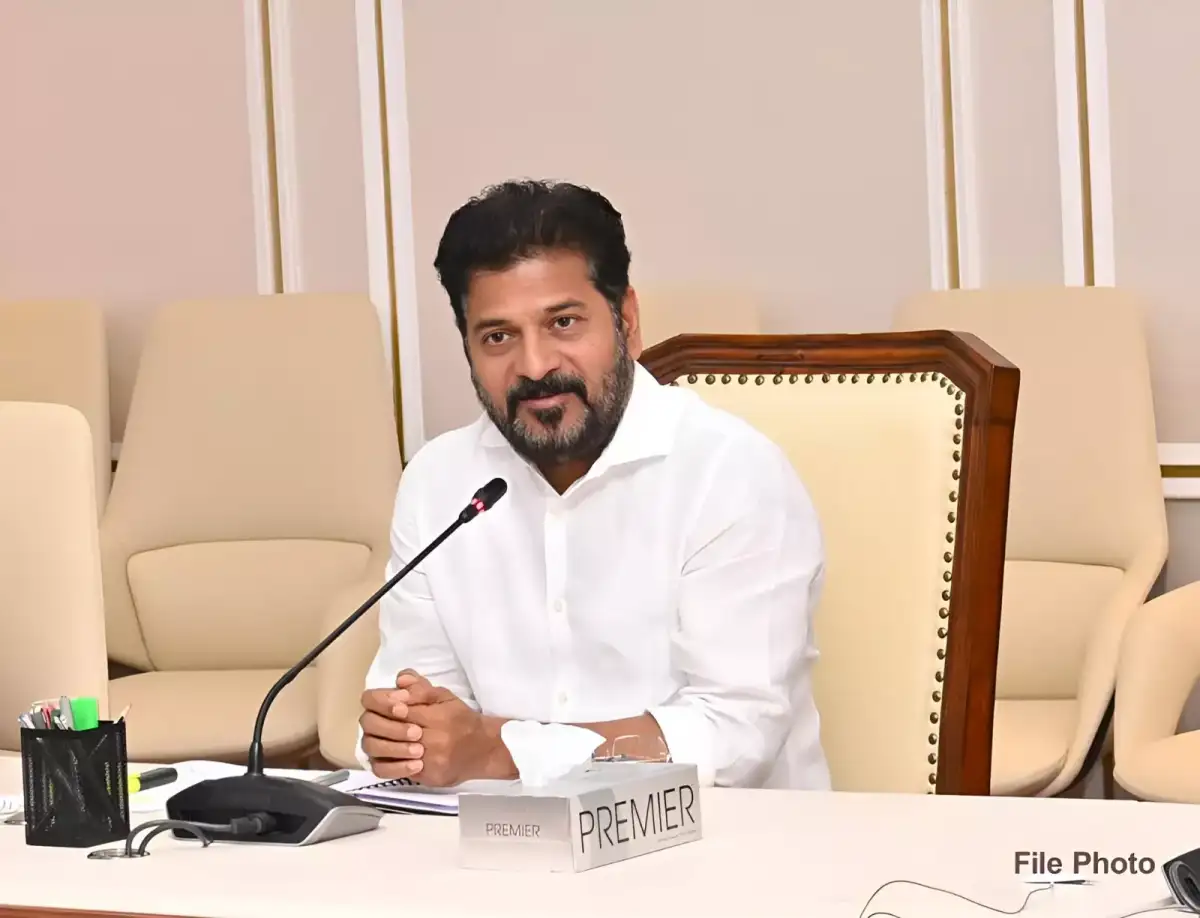
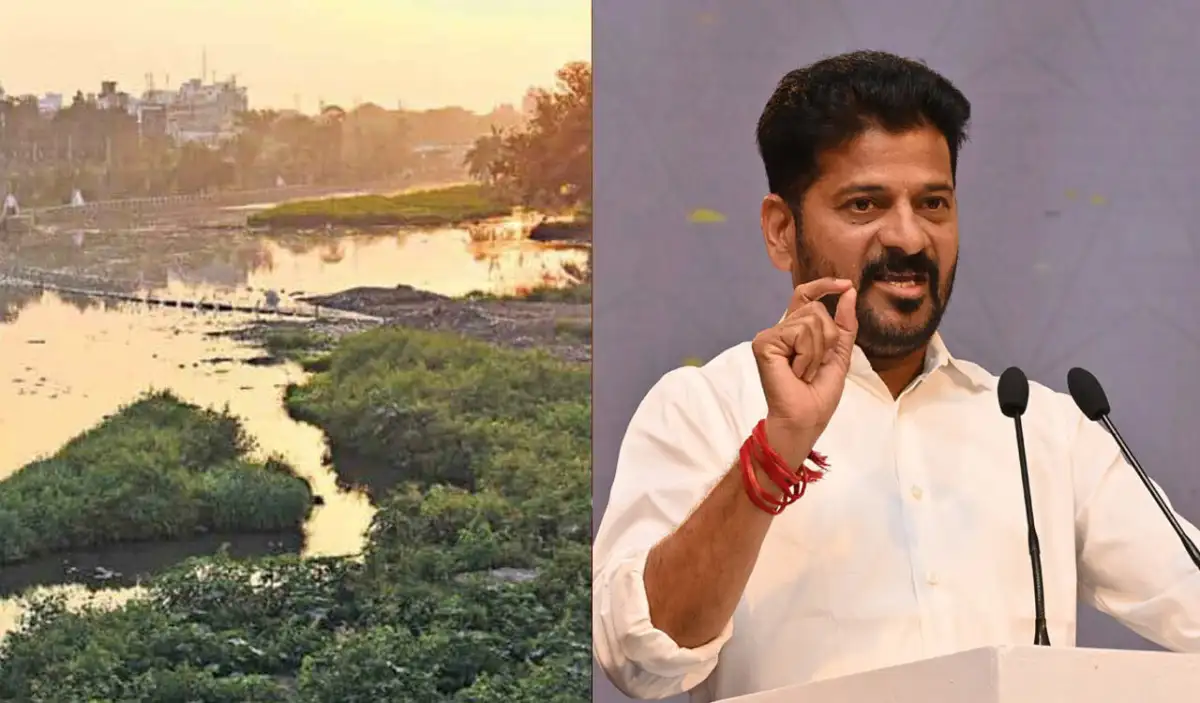
The state administration has committed ₹7,360 crore to the Musi River Rejuvenation Project, a 55-kilometer engineering attempt to stop the city from drowning every time the clouds break. Chief Minister Revanth Reddy claims this is not just about a river but a total rewrite of how the city moves its waste, its water, and its people over the next century.
The core signal is a massive hydrological shift: moving 20 TMC of Godavari water to replace the failing Krishna supply, with 2.5 TMC specifically dumped into the Musi to flush out decades of filth.

The plan demands a complete overhaul of stormwater drainage and sewage systems to prevent the recurring "standstill" caused by heavy monsoon rains.
Displaced families living on the river’s edge are to be shifted into Indiramma housing units built on government land within their own constituencies.
The government is pushing a 100-year reimagining of traffic and drinking water, citing the current systems as broken and unfit for the "global" weight the city intends to carry.
The Spatial Trade-off
While the administration talks of "world-class" status, the reality on the ground is a massive reshuffling of urban space. The Eco Hill Park in Kothwalguda, an 85-acre stretch near Himayatsagar, serves as a quiet green buffer, but the riverfront itself remains a site of political friction. Revanth Reddy has publicly dismissed the BRS leaders who criticize the project, accusing them of leaving the river to rot during their own tenure.
| Feature | Current State | Proposed Future (2034) |
|---|---|---|
| Water Source | Insufficient Krishna River supply | 20 TMC Godavari diversion |
| Flood Risk | Annual monsoon "standstills" | 55-km "flood-proof" corridor |
| Urban Shape | Congested sprawl | Bharat Future City hub |
| Transport | Road-heavy congestion | Bullet train hub at Shamshabad |
Moving People and Pumping Rivers
The project is less about nature and more about industrial-scale plumbing. Bringing water from the Godavari to revive a dead river bed is an expensive way to fix the city’s hygiene.
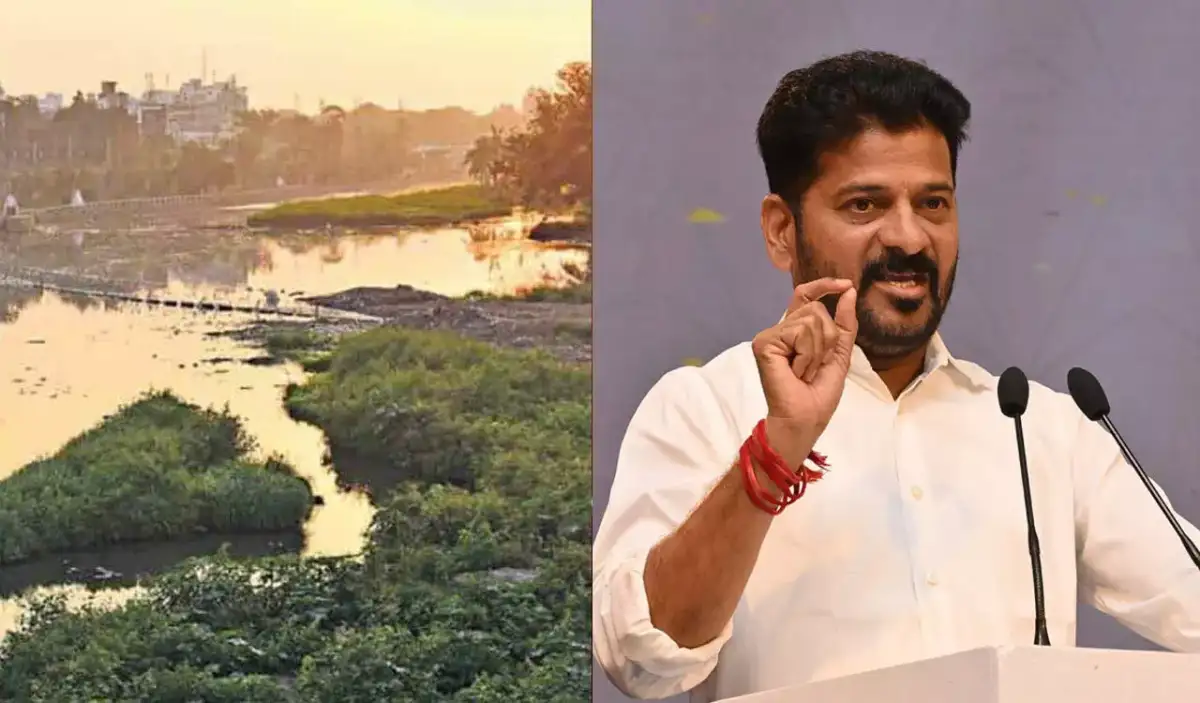
"Existing Krishna River water supply is no longer sufficient," the administration notes, signaling a hard limit on the city's current growth model.
The plan involves:
Diverting 17.5 TMC for drinking needs while the remaining 2.5 TMC acts as a permanent "wash" for the Musi basin.
Connecting the city to a wider grid—Bengaluru, Amaravati, and Chennai—via a proposed bullet train hub to keep global firms interested.
Attempting to solve water security to end the "contamination-related health issues" that plague the families living near the basin.
Background: The Long Arc of Displacement
The Musi has long been a dumping ground for the city's leftovers. This current push follows a series of urban flood crises that have embarrassed successive governments. By framing this as a "100-year fix," the current leadership is attempting to escape the cycle of short-term repairs that have failed every monsoon.
The political stakes are high; the Bharat Future City vision depends on the Musi rejuvenation succeeding. If the river remains a sewer, the "global city" remains a myth. The administration is betting that by the year 2034, the messy reality of moving thousands of people out of the river's path will be forgotten in favor of a "cleaner" economic powerhouse. Whether the plumbing can actually hold back the increasing weight of climate-driven rains remains an open, expensive question.