


President Donald Trump has publicly declared his dissatisfaction with the selection of Mojtaba Khamenei as Iran's new Supreme Leader, a move that follows a recent U.S.-Israeli military operation resulting in the death of the previous leader, Ayatollah Ali Khamenei. Trump conveyed his unhappiness in statements made to Fox News and other outlets, characterizing Mojtaba Khamenei as a "lightweight" and suggesting his tenure may be contingent on U.S. approval.
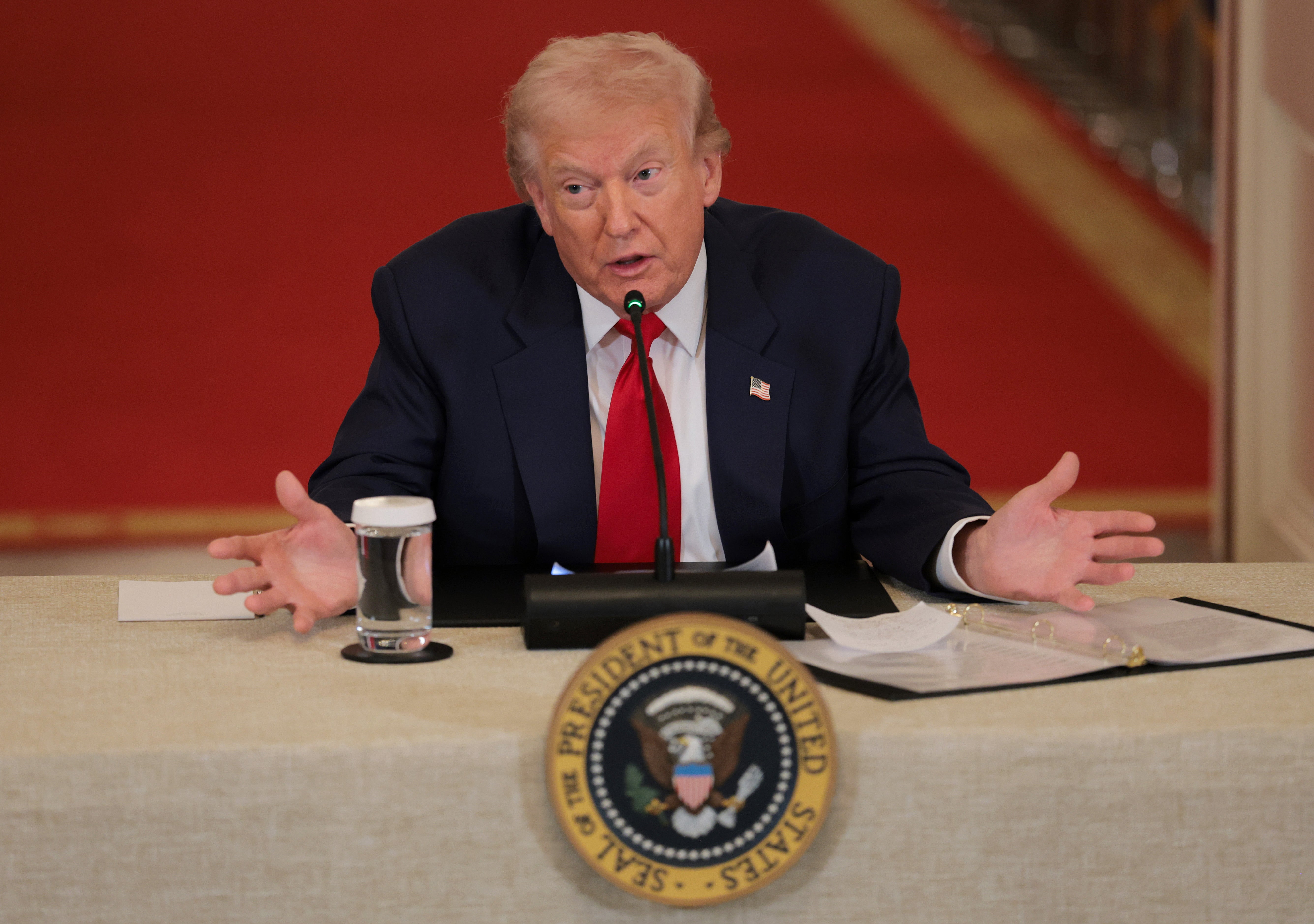
The core of Trump's stated grievance appears to be a desire for a leader in Iran who he believes would bring "harmony and peace," implying a rejection of the current appointment without explicitly detailing the criteria for an acceptable successor. He has also framed the U.S. involvement in the region, including recent military actions, as necessary to avoid prolonged engagement.
Read More: Jerusalem 300,000 Jewish Residents Can Now Seek Gun Licenses
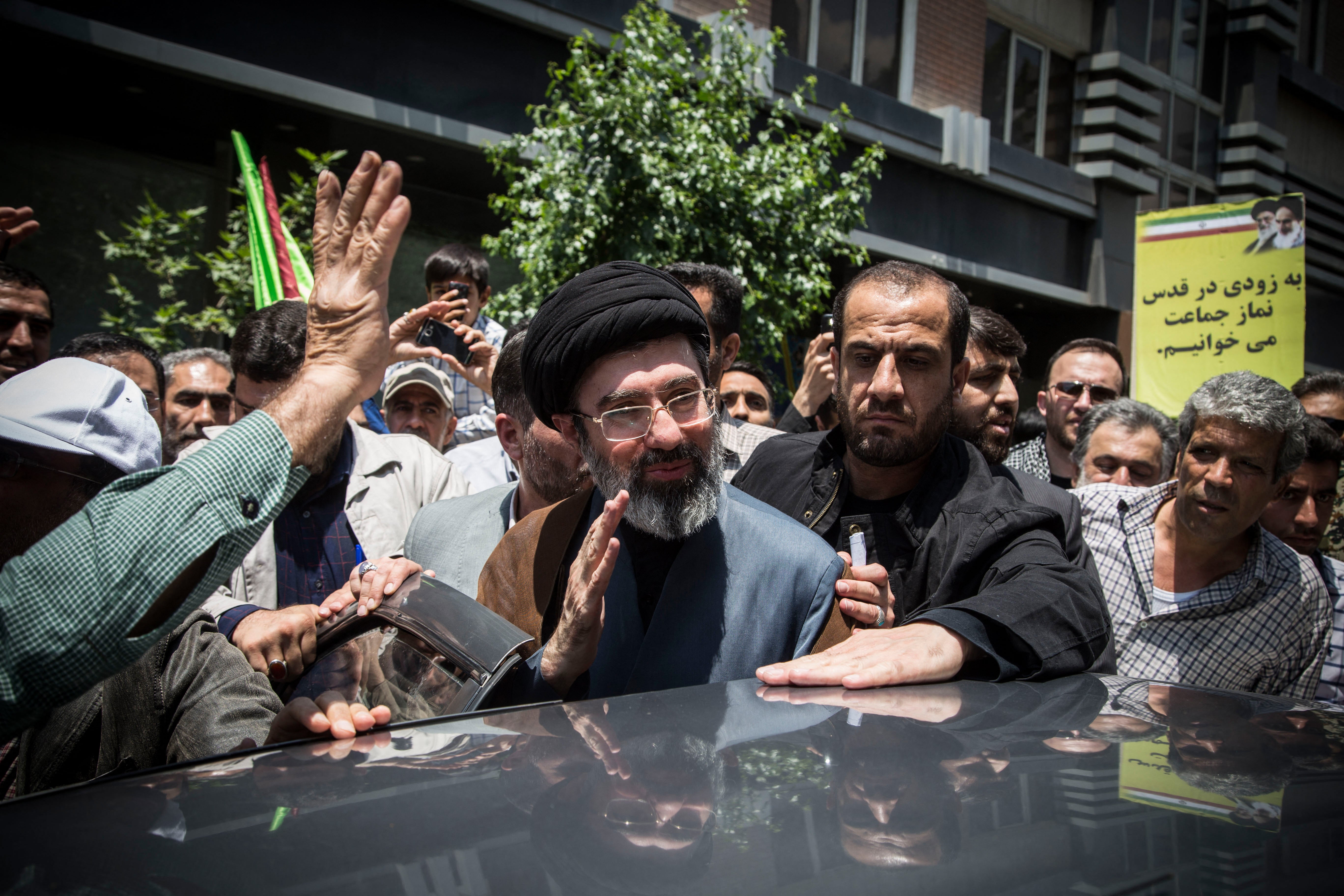
Trump's pronouncements underscore a continuing U.S. interest in influencing Iran's internal political landscape. His remarks suggest that American acknowledgment could play a role in the legitimacy or durability of Mojtaba Khamenei's position. The appointment of Khamenei's son follows closely after the deaths of several top Iranian officials, including the former Supreme Leader, in coordinated airstrikes.

Background Dynamics
The shift in Iran's leadership occurs in the wake of significant military actions attributed to the United States and Israel. On February 28, these forces launched strikes that led to the death of Ayatollah Ali Khamenei. Shortly thereafter, Mojtaba Khamenei, the son of the deceased leader, was appointed to the role by Iran's Assembly of Experts. This succession is presented as a decisive vote by the clerical body, positioning Mojtaba as the third Supreme Leader in Iran's history, following Ayatollah Ruhollah Khomeini.
Read More: Pakistan Navy Escorts Ships Through Strait of Hormuz Due to Middle East Crisis
Trump has previously expressed a desire to be involved in the process of selecting Iran's leadership, citing a rationale of preventing recurring interventions. He stated that "if he doesn't get approval from us, he's not going to last long." This stance positions the U.S. president as asserting a degree of influence over the internal succession processes of another sovereign nation, framing it as a measure for regional stability and reduced long-term U.S. military commitment. The context also includes reports of other regional incidents, such as drone and missile attacks in Saudi Arabia and Qatar, occurring concurrently with these developments.