Beijing Hosts High-Stakes Summit: Trade, Taiwan, Iran on Horizon
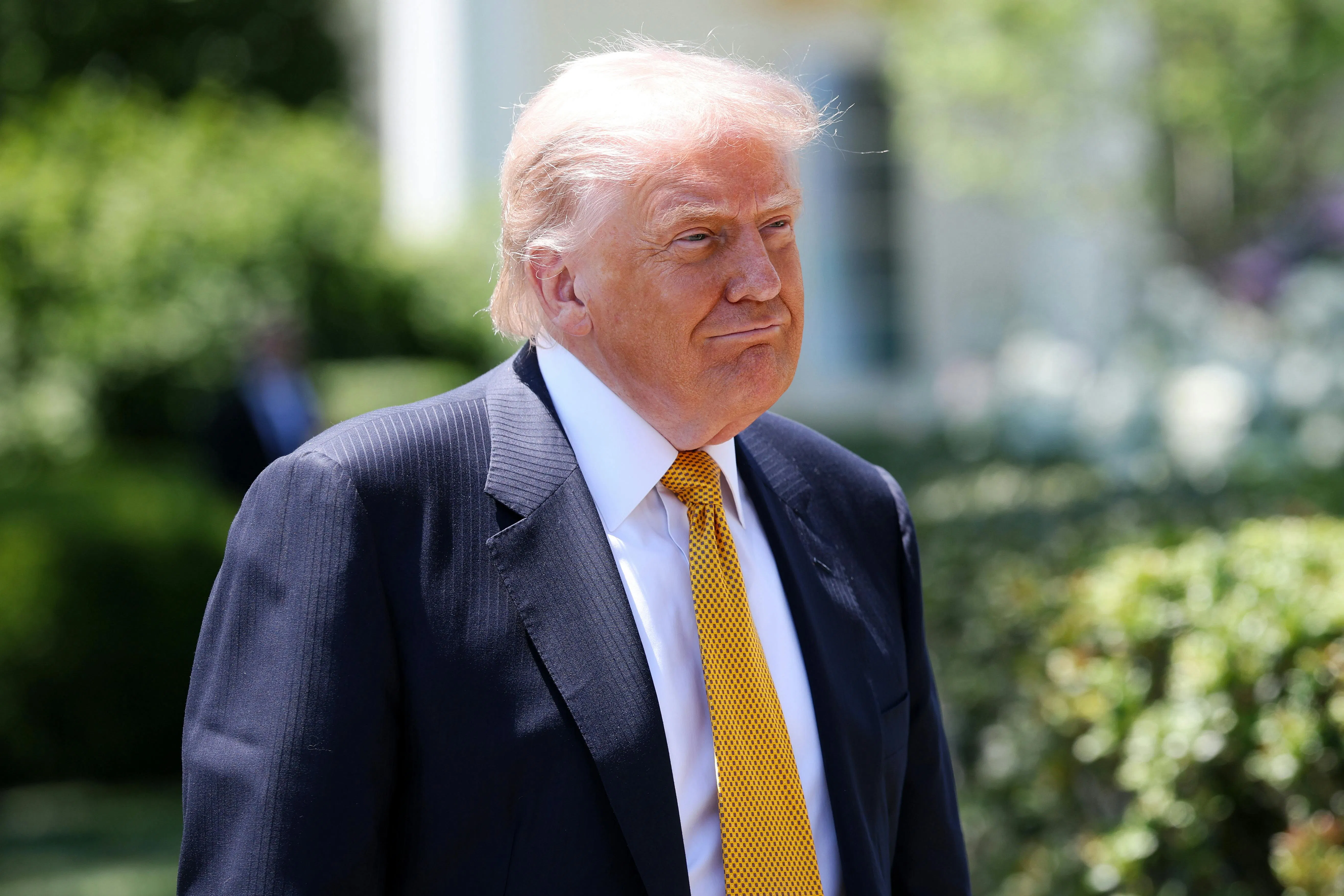
Donald Trump arrived in Beijing, stepping onto the tarmac to a show of pomp and pageantry ahead of a crucial summit with Chinese leader Xi Jinping. The meeting, framed as a critical juncture for bilateral relations, is set to tackle a dense agenda: trade disputes, the escalating situation in Iran, and the perpetually fraught issue of Taiwan. Both nations signal a desire for a degree of stability, even as fundamental disagreements persist.

Trump’s itinerary includes a state banquet on Thursday evening, culminating in a working lunch with Xi on Friday before his departure. This formal reception, with a lower-level official greeting Trump on a prior visit, is being interpreted as a calculated gesture of respect from Beijing towards the US president.

Core Disagreements Frame the Dialogue
The substance of the talks centers on deeply entrenched points of contention. On the trade front, Trump is anticipated to advocate for increased Chinese purchases of American agricultural goods. Conversely, Beijing is expected to exert pressure on Washington to reduce tariffs imposed on Chinese products. These tariffs, alongside other measures like restrictions on rare earth exports, have been a persistent irritant since Trump’s first term. The ongoing imposition of restrictions on advanced computer chip exports to China, a move initiated during Trump’s previous administration, is also a key issue, potentially accelerating China's push for technological self-sufficiency.
Read More: Trump says he ignores US finances when deciding on Iran war

The shadow of the war in Iran looms large, reportedly influencing the timing of Trump's visit and contributing to rising oil prices that strain China's economy. China has implicitly critiqued the US stance on the conflict, while its desire for an end to hostilities is fueled, in part, by economic pressures.
Taiwan: A Point of Extreme Sensitivity
Taiwan, a perennial flashpoint, is designated a top priority for discussion by Beijing. Trump has indicated an intention to address US arms sales to Taiwan, a notable shift from historical US policy of non-consultation with Beijing on its support for the island. This stance is being watched closely in Taiwan, with concerns about any perceived wavering of US commitment. Trump has publicly asserted that his personal rapport with Xi could act as a deterrent against a Chinese invasion.
Background: A Fragile Stability Amidst Tensions
The summit unfolds against a backdrop of heightened geopolitical tensions. Both the US and China have publicly characterized their bilateral ties as broadly stable in recent months, with an expressed intention to maintain this status quo. However, this apparent equilibrium belies a complex web of interconnected issues, from technological competition and economic interdependence to broader strategic rivalries. The overarching aim appears to be the navigation of these intricate dynamics, seeking to manage existing friction while averting outright confrontation.
Read More: House Allows Year-Round E15 Gas Sales From May 13, 2026