


Washington D.C. - In an unprecedented move, President Donald Trump became the first sitting U.S. president to attend oral arguments at the Supreme Court on Wednesday, witnessing firsthand the judicial skepticism directed at his executive order targeting birthright citizenship. The move, a stark departure from historical presidential conduct, placed Trump in the unique position of observing arguments challenging a core tenet of his immigration policy.
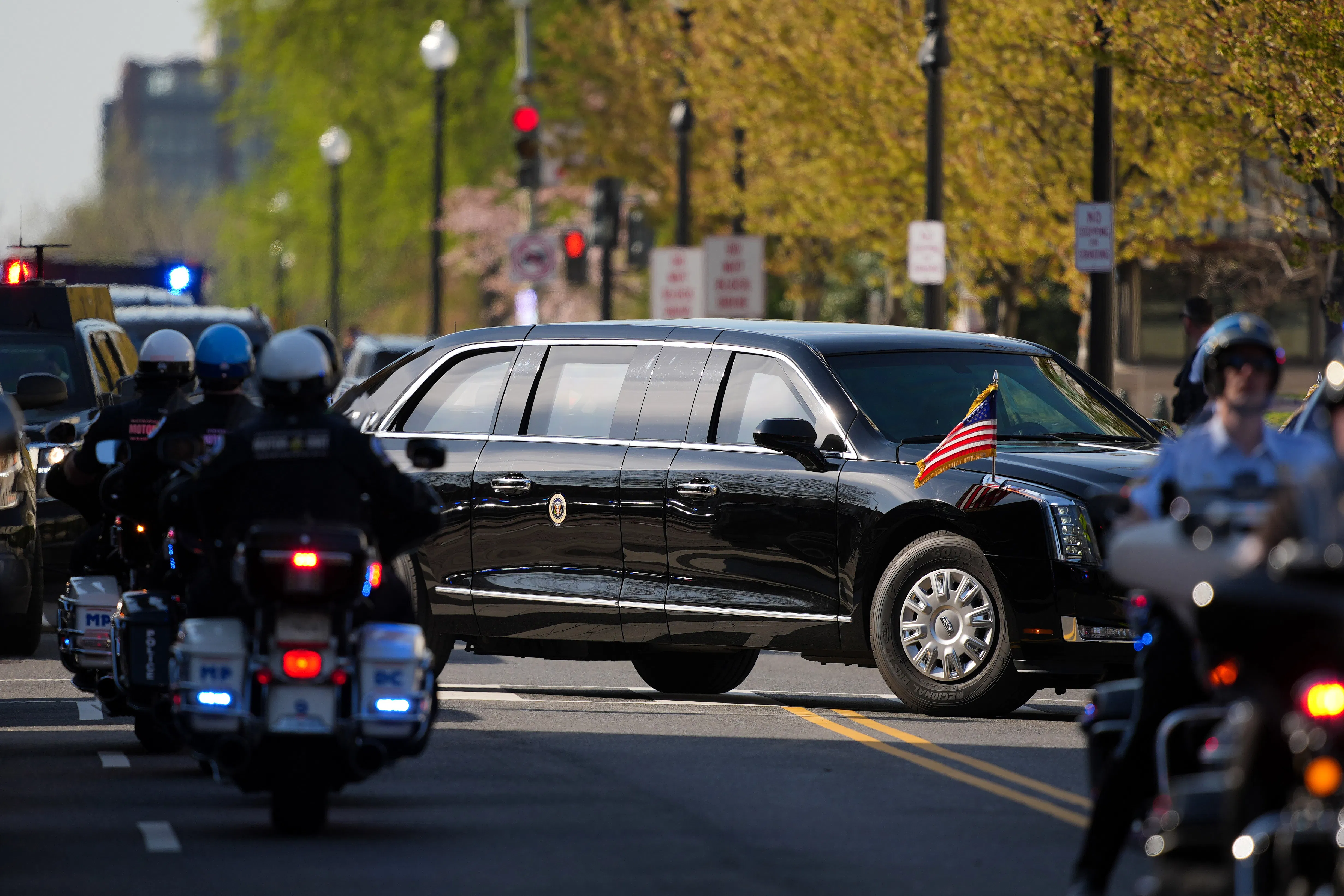
The Supreme Court justices, during these arguments, appeared disinclined to uphold Trump's directive, which sought to curtail automatic birthright citizenship for children born to parents residing in the U.S. illegally or temporarily. This judicial unease was palpable, with justices posing pointed questions to the administration's representatives. Trump's presence, a deliberate and publicized decision, allowed him a direct, albeit silent, view of this critical judicial deliberation.
Read More: Taiwan Holds Nantou County Drills to Prepare for State Collapse
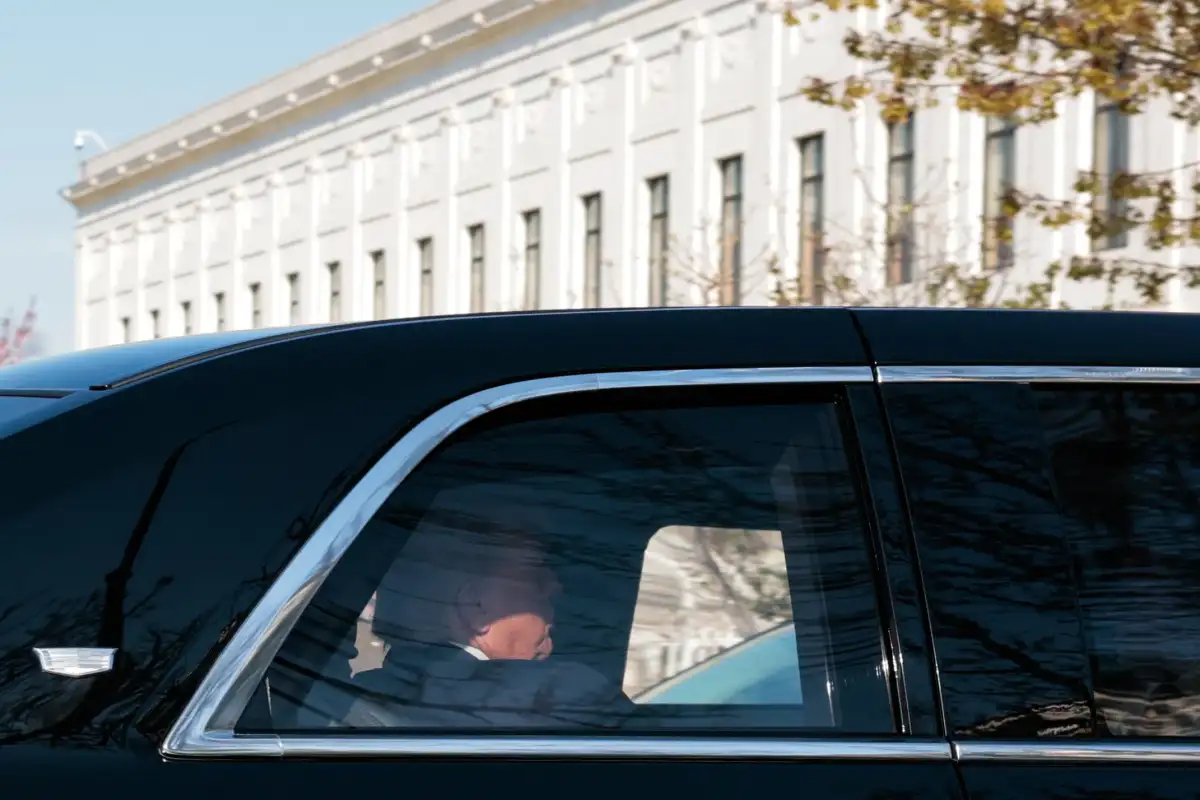
The visit itself marked a significant moment, with presidents traditionally maintaining a distance from the Court's proceedings. Trump, who had previously contemplated attending arguments concerning his tariff policies, ultimately chose this case, one central to his administration's broader immigration enforcement agenda. The directive, signed on his first day back in office, has been a focal point of his "hardline approach toward immigration."
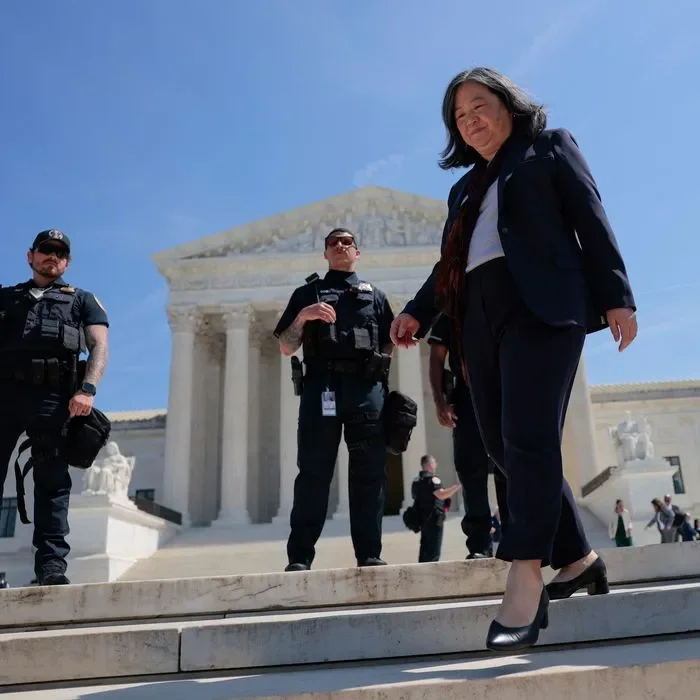
The arguments revolved around a lower-court ruling from New Hampshire that had previously blocked the citizenship restrictions, one of several judicial setbacks for the policy. This marks the first immigration-related policy from the Trump administration to reach the Supreme Court for a definitive ruling.
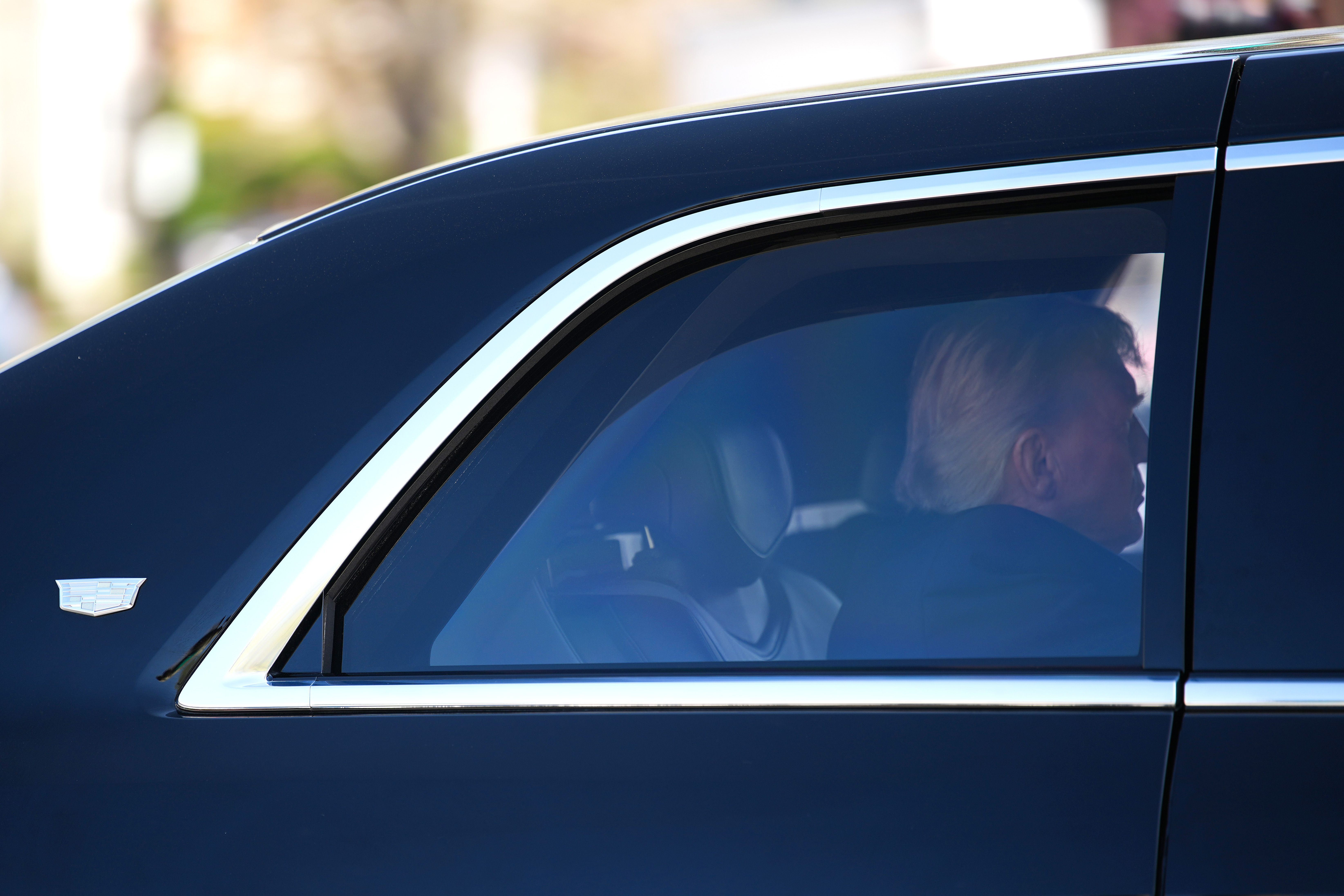
Trump's attendance, however, was not without acknowledged complexities. He himself had previously commented on the potential for his presence to be a distraction, a sentiment echoed by the strict protocols of the Supreme Court, which prohibits cameras and electronic devices, rendering his observation within a "relative black box."
Read More: FBI Analysts Review Georgia 2020 Election Data in Fulton County
The Supreme Court's historical posture has, at times, aligned with a broad interpretation of presidential power, a stance some suggest has been influenced by the "Roberts Court." This context adds another layer to Trump's engagement with the judiciary, especially considering his past criticisms of the Court following rulings against his administration's policies, such as those concerning his global tariffs.



